





The Sweet Surrender
For generations, sweetness in Indian cuisine meant refined sugar, often used generously in desserts and even to balance savoury gravies. That’s changing fast. A growing awareness of lifestyle diseases has diners thinking twice about their sugar intake.
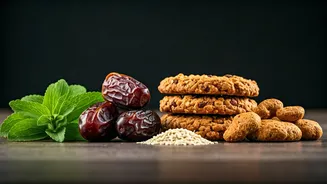
A recent report highlighted that a majority of Indian consumers prefer snacks sweetened with natural ingredients over refined sugar. Restaurants are responding by overhauling their dessert menus and even their core recipes. Instead of white sugar, chefs are turning to traditional sweeteners like jaggery and dates, or modern alternatives like stevia and monk fruit extract. This isn't just about making things less sweet; it's about creating complex, nuanced flavours. You might now find a 'guilt-free' gajar ka halwa sweetened with figs or a kheer made with naturally sweet coconut milk, appealing to a new generation of health-conscious foodies. This shift means dessert is no longer just an indulgence, but a thoughtful end to a meal.
From Low-Fat to Good-Fat
The conversation around fats has done a complete 180. The 'low-fat' craze of the past is being replaced by a more sophisticated understanding that not all oils are created equal. Consumers are increasingly aware of the difference between unhealthy trans fats and beneficial monounsaturated and polyunsaturated fats. This has led to a major shift in the cooking oils used in restaurant kitchens. While palm oil's dominance is waning, traditionally valued oils like cold-pressed mustard oil, ghee, and groundnut oil are making a celebrated comeback. Menus are starting to reflect this, with some establishments proudly mentioning the use of 'cold-pressed oils' or 'dishes cooked in pure ghee'. This move taps into both modern nutritional science and traditional Indian wisdom, where certain fats were always considered vital for good health. It marks a return to ingredients that are less processed and more aligned with holistic well-being.
Transparency Is the New Main Ingredient
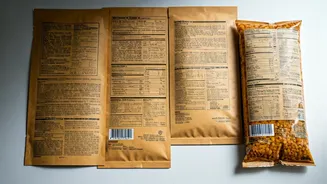
This evolution isn't just happening behind the scenes; it's becoming a key part of the dining experience. Today’s diners want to know what they are eating. Reports show that a large percentage of Indian consumers consider ingredient transparency the most important factor when choosing where to eat, ranking it higher than celebrity endorsements. This demand for honesty is pushing restaurants to be more open. Some eateries are now highlighting 'healthy choice' sections on their menus or using icons to denote dishes that are low in sugar or made with healthier oils. The Food Safety and Standards Authority of India (FSSAI) has also encouraged restaurants to voluntarily display the sugar and oil content of their dishes, a move aimed at empowering consumers and tackling rising health concerns. This push for transparency builds trust and allows people to make choices that align with their personal wellness goals.
What This Means for Your Next Meal
So, how does this affect you the next time you dine out? It means you have more power and more choice. You’re more likely to find menus that cater to a healthier lifestyle without sacrificing flavour. You might see a millet risotto instead of one made with arborio rice or find a salad that's packed with nutrient-dense, healthy fats. Chefs are getting creative, using these constraints to innovate and refine dishes. The result is often food that is not only better for you but also more interesting. It's a sign that the Indian food industry is maturing, moving from a focus on pure indulgence to a more balanced approach that values both taste and well-being. The diner is no longer a passive recipient but an active participant in a food culture that is becoming smarter, healthier, and more transparent.