




The Old Summer Script
For generations, the Indian summer diet was a paradox. Despite the blistering heat, our plates were often laden with rich, heavy foods. Think oily pakoras with evening chai, indulgent curries for dinner, or a plate of chole bhature as a weekend treat.
These foods, while delicious, are often difficult to digest and can leave you feeling sluggish, especially when the temperature soars past 40°C. This wasn't about a lack of wisdom; many of these traditions are rooted in regional cultures and the availability of ingredients. But as our lifestyles become more sedentary and our understanding of nutrition evolves, the logic of fuelling a hot day with heavy, heat-inducing food is being seriously questioned.
Enter the Gentle Diet
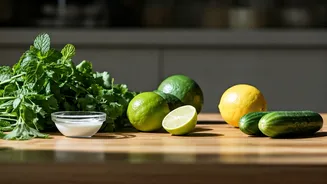
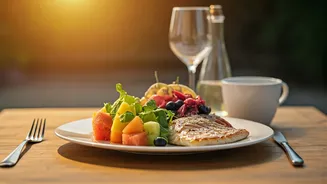
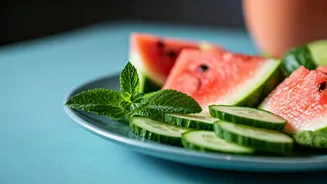
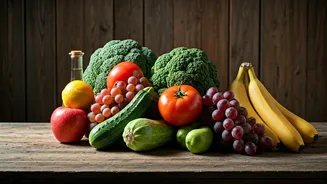
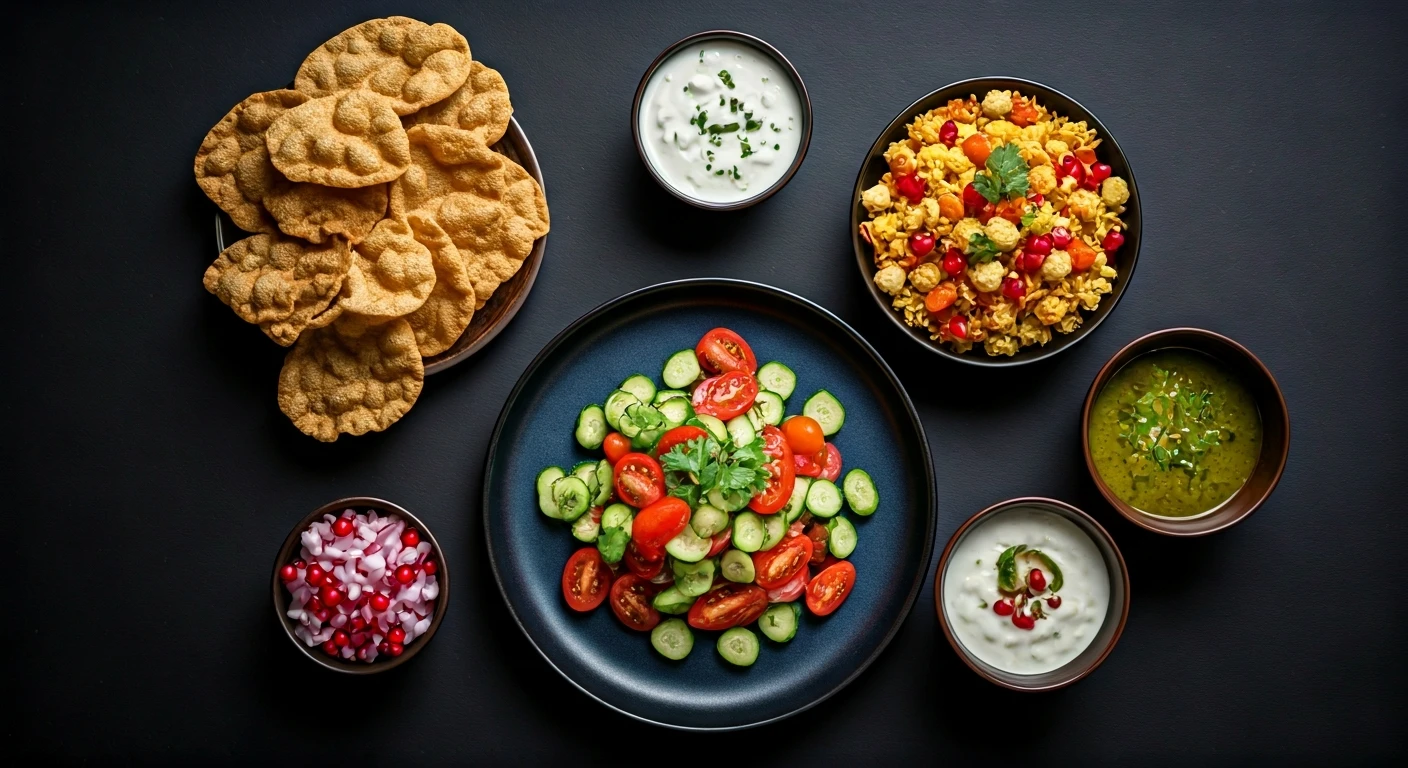
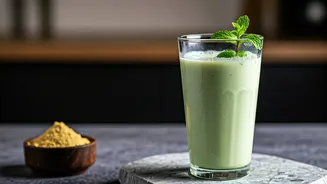
The new summer plate looks and feels different. It’s lighter, brighter, and built around hydration and ease of digestion. The 'gentle' approach prioritises foods that cool the body from within. We’re seeing a surge in the popularity of elaborate salads that are meals in themselves, packed with seasonal greens, sprouts, and light dressings. Cold soups like gazpacho, once considered exotic, are now made with local ingredients like cucumber and tomato. Traditional summer saviours are also getting a modern makeover. Plain old chaas (buttermilk) is now being infused with mint and herbs, while sattu drinks from Bihar are being hailed as desi superfood protein shakes. The focus is on water-rich fruits and vegetables like watermelon, muskmelon, and gourds, which are being used in everything from juices to light sabzis.
What’s Fuelling the Shift?
This isn't a random change; it’s driven by several powerful currents. First and foremost is a massive wave of health and wellness consciousness. Urban Indians, more than ever, are linking what they eat to how they feel. Concepts like gut health, inflammation, and clean eating are no longer niche terms but mainstream conversations. Instagram and other visual social media platforms have also played a huge role. A vibrant, colourful salad or a beautifully styled smoothie bowl is far more photogenic than a brown curry, creating a visual culture that celebrates lightness. Finally, there's the undeniable reality of climate change. With summers becoming longer and more intense, the physiological need for cooling, hydrating foods has become a matter of everyday survival and comfort, not just a dietary choice.
Tradition, Reimagined
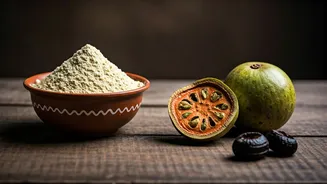
Interestingly, this shift isn't about abandoning Indian food traditions but rather rediscovering and reinterpreting them. Many of the principles of 'gentle' eating are deeply rooted in Ayurveda and other traditional Indian knowledge systems, which have always advocated for eating seasonally. Ancient grains like millets (jowar, ragi, bajra) are making a huge comeback. They are light on the stomach, gluten-free, and perfectly suited to our climate. Ingredients that grandmothers have sworn by for generations—like gulkand (rose petal preserve), sabja seeds (basil seeds), and vetiver (khus)—are now being celebrated by modern nutritionists and chefs for their cooling properties. It’s less of a Western import and more of a homecoming, where we are looking back into our own culinary heritage to find solutions for modern problems.
The New Summer Menu
This trend is visible everywhere from home kitchens to high-end restaurants. Home cooks are experimenting with mango salsas, watermelon and feta salads, and millet-based khichdis. Restaurants are designing special summer menus that highlight seasonal produce and lighter cooking techniques like grilling and steaming over deep-frying. Even cafes are moving beyond heavy milkshakes to offer cold brews, kombucha, and a variety of infused iced teas. The message is clear: summer food can be both delicious and restorative. It’s about celebrating the bounty of the season in a way that nourishes the body instead of weighing it down.