


The Magic of Hot Air
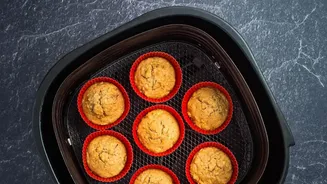
An air fryer is essentially a powerful countertop convection oven. Instead of submerging food in hot oil, it circulates superheated air at high speed. This rapid air circulation cooks the food from all angles, creating a crispy exterior while keeping
the inside moist and tender. The science behind the crunch is a process called the Maillard reaction, a chemical reaction between amino acids and sugars that is responsible for the browning and delicious flavour of fried foods. The air fryer achieves this with just a tiny fraction of the oil used in deep frying, sometimes reducing oil consumption by up to 80%.
Getting Started: The Golden Rules
To achieve that perfect, non-greasy crunch, a few simple rules apply to nearly all snacks. First, don't overcrowd the basket. Food needs space for the hot air to circulate effectively. Cook in batches if necessary. Second, while you're using less oil, a little is still key for colour and crispiness. A light brush or a quick spray of oil on the surface of the snack before cooking makes a significant difference. Third, preheating the air fryer for a few minutes ensures that cooking starts at the right temperature from the moment you put the food in, leading to a crispier outcome. Finally, remember to flip the snacks halfway through the cooking time to ensure they brown evenly on all sides.
Case Study: The Perfect Samosa
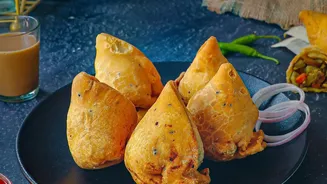
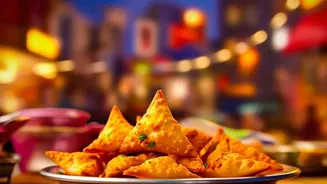
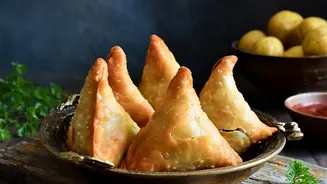
The samosa is arguably the king of Indian snacks and adapts beautifully to the air fryer. Whether you are using homemade or store-bought frozen samosas, the technique is simple. For the best results with homemade versions, ensure your pastry dough is stiff and not too soft, as a softer dough can crack under the dry heat. After filling and sealing your samosas, lightly brush them with oil. Place them in a single layer in a preheated air fryer. A typical setting is to cook them at around 180°C for 12-15 minutes, flipping them at the halfway point. For an extra-crispy and golden finish, you can increase the temperature for the last couple of minutes. The result is a flaky, satisfying samosa without the oily residue.
Beyond Samosas: Pakoras, Vadas, and More
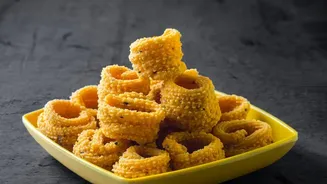
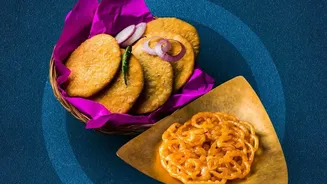
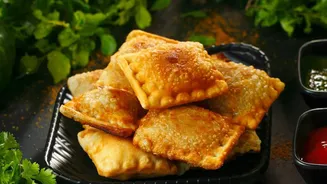
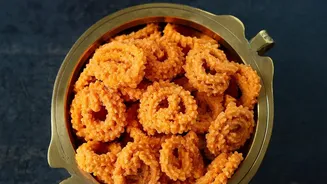
The air fryer’s versatility extends to a wide array of regional favourites. For pakoras or bhajis, the trick is to make a thick batter that just coats the vegetables, rather than a runny one. Drop small clusters into the basket and air fry until golden. For lentil-based snacks like dal vada, grind the soaked dal coarsely to retain texture, mix in your spices, and form into flat patties before air frying. Even notoriously tricky items like aloo tikki and kachori work well. For aloo tikki, shape the potato mixture into patties, brush with oil, and air fry until crisp. For kachoris, a dry lentil filling works best to prevent the pastry from becoming soggy. From paneer tikka to methi muthia, home cooks are discovering lighter versions of countless classics.
A Healthier Indulgence
The primary appeal of air frying is health-related. By drastically cutting down on oil, you significantly reduce the overall calorie and fat content of your favourite snacks. For instance, a single deep-fried samosa can contain around 15-18 grams of fat, but its air-fried counterpart may have as little as 5-8 grams. This makes it a more sustainable option for regular indulgence without the associated health concerns of deep-fried foods, such as high cholesterol. Furthermore, air frying is often quicker and involves less mess and cleanup, as there's no large pot of oil to handle or dispose of. It's a practical, modern solution that aligns with a more health-conscious lifestyle without sacrificing the comforting flavours of tradition.