

For decades, the map of Indian fashion was simple: Delhi, Mumbai, Bengaluru. But the script is being rewritten as brands increasingly look to the nation's Tier-2 cities. This isn't just expansion; it's a strategic pivot. Here’s why.
The New Epicentres of Consumption
The long-held belief
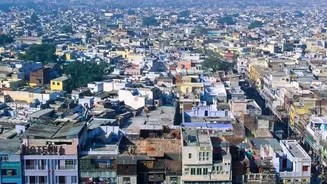
that metros are the beginning and end of India's fashion market is officially outdated. A significant shift is underway, with brands turning their attention to a new set of high-growth urban centres. Cities like Jaipur, Lucknow, and Surat are no longer just on the map; they are becoming the destination. This move is backed by data showing that India’s next consumption boom is emerging from beyond the traditional metropolitan hubs. Reports indicate that these cities are becoming powerful consumer markets in their own right, creating demand instead of just following trends set by the metros. This isn't a temporary trend but a structural shift in where India's future demand lies.
The Rise of the Aspirational Tier-2 Consumer
The primary driver of this change is the consumer. A new generation in cities like Jaipur, Lucknow, and Surat is armed with rising disposable incomes, digital connectivity, and global aspirations. Thanks to smartphones and social media, a shopper in Lucknow has access to the same global trends as someone in Mumbai, dramatically narrowing the gap between awareness and access. This digitally-savvy population, nearly 60% of which is below the age of 35, is increasingly choosing branded goods and premium experiences. The affluent population in these 'Urban Bharat' cities has grown by 76% in the last six years alone, underscoring a rapid rise in purchasing power and a willingness to spend on more than just basics.
Smarter Economics and Lower Saturation
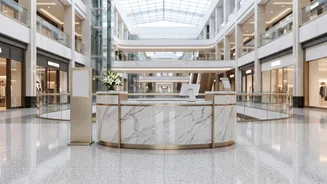
Beyond consumer demand, the business case is compelling. Metros like Mumbai and Delhi are saturated and expensive. High costs for real estate, customer acquisition, and intense competition make it difficult for brands to find new growth. In contrast, Tier-2 cities offer a compelling alternative. More affordable property prices and lower operating costs provide a cost-effective entry point for brands looking to establish a physical presence. With modern shopping malls and premium retail complexes developing rapidly, these cities now have the infrastructure to support high-end retail, providing the perfect setting for brands to capture an underserved market.
A Perfect Blend of Culture and Commerce
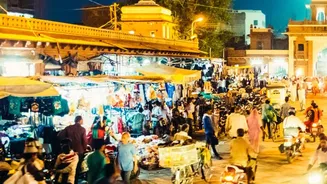
Jaipur, Lucknow, and Surat are not just any Tier-2 cities; they each offer unique cultural advantages. Jaipur, a global tourism hub with deep roots in craftsmanship, provides a sophisticated consumer base. Recent store openings from brands like Victoria's Secret and FableStreet highlight the city's appeal. Lucknow's 'Nawabi' heritage fosters an appreciation for luxury and refined taste, making it a natural fit for premium brands. Meanwhile, Surat, a powerhouse of the textile and diamond industries, boasts a wealthy business community with significant spending power. Some reports even note that per-household spending in cities like Surat is higher than in the six megacities. Brands are tapping into this, with Gen Z-focused brand NEWME recently expanding its presence in both Jaipur and Surat.
Omnichannel Strategy and the 'Phygital' Future
Expansion into these cities is not just about brick&-and mortar stores. It's a key part of a broader omnichannel, or 'phygital', strategy. E&-commerce platforms first demonstrated the immense demand from non&-metro areas, which now account for over 60% of all online transactions. Physical stores act as experience hubs, building trust and allowing customers to touch and feel products they first discovered online. These stores also function as hyperlocal fulfillment centres. Myntra, for instance, has expanded its rapid delivery service to Jaipur and Lucknow, leveraging a network of dark stores to offer deliveries within minutes, meeting the demand for immediate gratification. This blend of digital discovery and physical experience is proving to be a winning formula.