





Your Windowsill Garden Setup
Success begins with the right foundation. First, choose your sunniest windowsill; a south-facing window is ideal as most herbs need at least four to six hours of light daily. In the shorter, darker days of winter, this becomes even more critical. Next,
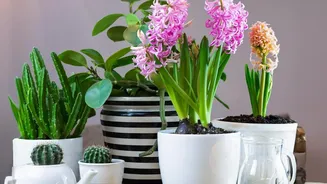
select your containers. Ensure every pot has drainage holes at the bottom to prevent waterlogging and root rot, a common issue for indoor plants. Terracotta pots are a great choice as they are porous and allow soil to breathe. For soil, always opt for a high-quality, lightweight potting mix from a garden centre. Avoid using heavy garden soil, which compacts easily in pots, suffocates roots, and can introduce pests. A good potting mix is designed to provide the right balance of drainage and aeration for container plants.
Caring for Sacred Tulsi (Holy Basil)
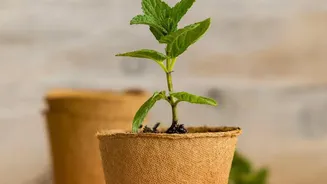
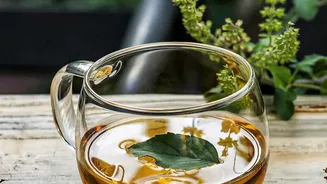
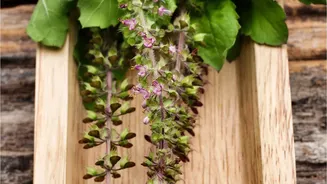
Tulsi is a tropical plant that loves warmth and sun, making winter care a specific challenge. It needs a minimum of four hours of sunlight, so a bright window is non-negotiable. A south-facing spot is perfect for maximising limited winter sun. Tulsi is very sensitive to cold; temperatures below 10°C can damage or kill the plant, so it must be kept indoors during North Indian winters. Protect it from cold drafts from an open window and avoid placing it near dry heaters. Watering is the most critical part of winter care. The plant enters a rest period and needs much less water. Check the soil by inserting a finger about an inch deep; water only when it feels dry. Overwatering in the cold is the primary cause of root rot in winter.
Mastering Mighty Mint (Pudina)
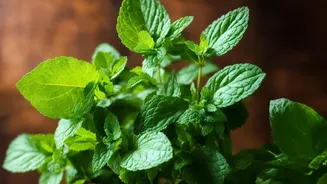
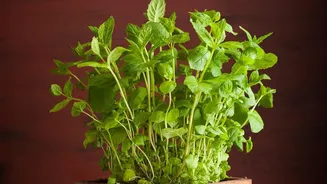
Mint is one of the most forgiving and easiest herbs to grow indoors, making it perfect for beginners. Its vigorous nature, which can be invasive in a garden, becomes an advantage in a pot, providing a steady supply of leaves. Mint tolerates less light than other herbs, but for lush growth, a spot with several hours of sun is best. An east or west-facing window works well. Use a decent-sized pot, as mint likes to spread its roots. Like most herbs, it requires a well-draining potting mix. The key to happy mint is consistent moisture. Keep the soil moist but not soggy. A good rule is to water when the top inch of soil feels dry. Harvest leaves often by snipping stems; this encourages the plant to become bushier and more productive.
Cultivating Fresh Coriander (Dhaniya)
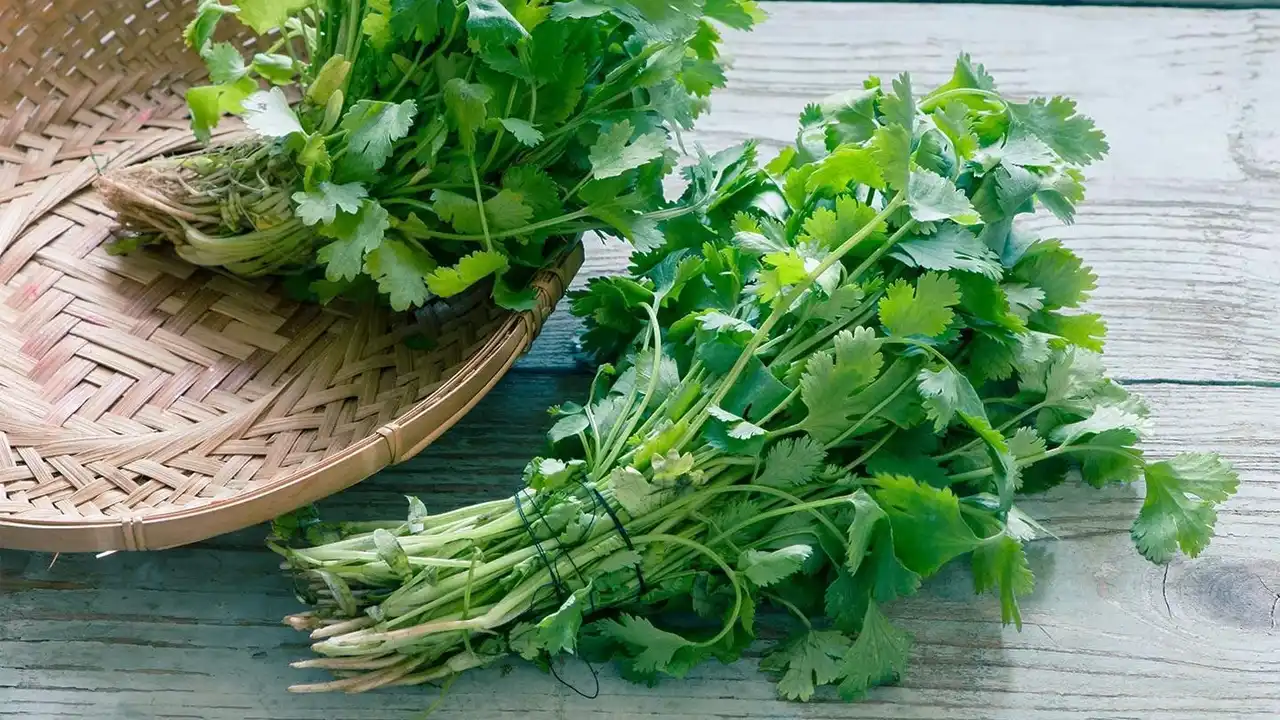
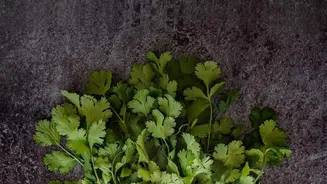
Growing coriander indoors can be slightly more challenging, but incredibly rewarding. For the best results, grow it from seed for a continuous supply of fresh leaves. You can lightly crush whole coriander seeds to split them and then soak them for 24 hours to improve germination. Use a wide pot that is at least 6-8 inches deep to accommodate its taproot. Coriander needs about four to six hours of sunlight daily, but it dislikes intense heat, which can cause it to 'bolt' (flower prematurely). A cool, sunny windowsill in winter is often an ideal environment. Keep the soil consistently moist but never waterlogged. The best way to harvest is to cut the outer leaves from the base of the plant once they are a few inches tall. This allows the inner leaves to continue growing, providing you with several cuttings from the same plant.
Essential Winter Care Tips
Winter brings unique challenges for indoor plants. With less sunlight, plant growth slows down, so they require less water and no fertiliser until spring. Rotate your pots every few days to ensure all sides of the plants get some light, preventing them from becoming leggy and stretching toward the window. Indoor air can become very dry from heaters. To increase humidity, you can place pots on a tray filled with pebbles and a little water, or simply group your plants together to create a more humid micro-environment. Keep a close eye for pests that can thrive in warm, indoor conditions. Regularly inspect the leaves and stems. Wiping foliage with a mild, soapy water solution can help manage common pests before they become a problem.