








That new shirt or kurta might feel a bit pricier lately, and it's not just your imagination. Rising costs are squeezing Indian apparel retailers, forcing them to make tough choices that directly impact customer footfall and overall sales.
The Squeeze from a Global Supply Chain
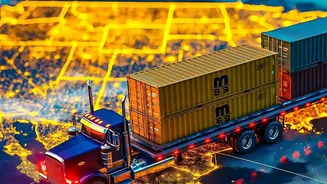
The primary pressure
point for Indian apparel retailers begins long before a garment reaches the showroom floor. Key raw material prices have seen significant volatility. For instance, cotton yarn prices have surged, with some reports in 2026 indicating an increase of roughly 60% from earlier in the year. This is compounded by fluctuations in the costs of synthetic fibres, dyes, and chemicals, which are often linked to global petroleum prices and can raise manufacturing expenses by 10-15%. When the cost to simply make a garment goes up, retailers are faced with a difficult dilemma: absorb the cost and sacrifice already thin margins, or pass the increase on to the consumer and risk a drop in demand.
The Shopper's Response to Price Hikes
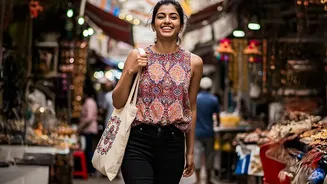
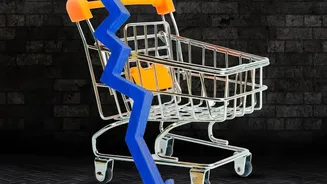
Indian consumers, particularly in the vast value-conscious segment, are highly sensitive to price changes. Even a small increase in the final tag can be enough to deter a purchase or reduce the number of items in a shopping basket. While overall retail sales in India have shown resilience, with the apparel and clothing category posting a 9% year-on-year growth in September 2026, this number exists in a complex environment. Inflation for clothing, while lower than headline inflation, still registers. When household budgets are strained by rising costs for essentials, discretionary spending on fashion is often the first to be curtailed. This leads to shoppers becoming more discerning, actively seeking promotions, and sometimes reducing the frequency of their visits to physical stores, thereby impacting footfall.
Footfall: A Tale of Two Storefronts
The impact on footfall isn't uniform across the board. Recent data suggests a divergence in shopper behaviour between high streets and shopping malls. While malls still command higher overall footfall, high-street stores have seen a resurgence, partly because they cater to quick, need-based trips. Data from early 2026 showed mall-based fashion stores outperforming high-street locations in traffic, but high-street visitors often showed higher purchase intent. Furthermore, a weekend-heavy pattern has emerged, with weekday footfall lagging significantly in many urban malls. Retailers without a strong mall presence or those in underperforming locations may feel the drop in casual shopper traffic more acutely, especially if they haven't cultivated a 'destination' appeal. The growth of retail in Tier-2 and Tier-3 cities also adds another layer, with these markets showing strong growth in both spending and engagement.
Retailer Strategies for a Tough Market
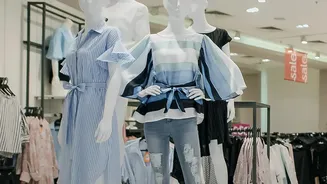
In response to these pressures, Indian clothing retailers are deploying a range of strategies. Many are absorbing at least a portion of the cost increases to remain competitive, a move that protects sales volume but erodes profitability. Others are leaning heavily on promotional events and loyalty programs to drive traffic and encourage repeat business. A popular strategy is to strengthen private labels and inhouse brands, which allows for greater control over the supply chain and pricing. Some are also expanding into new categories like footwear and athleisure to capture a wider share of the customer's wallet. Brands focused on the value segment, keeping prices firmly under a certain threshold, continue to perform strongly by catering to the budgetconscious consumer's core demand.