


The Philosophy of Six Tastes
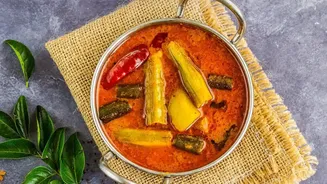
At the heart of Tamil cooking is the ancient concept of 'Aruvai Suvai', which translates to 'six tastes'. This principle, rooted in Siddha and Ayurvedic medicine, dictates that a balanced meal should contain all six flavours: sweet (Inippu), sour (Pulippu),
salty (Uvarppu), pungent (Kaarppu), bitter (Kasappu), and astringent (Thuvarppu). This isn't just about creating a complex flavour profile; it's about holistic well-being. Each taste is believed to have a specific effect on the body, and their combination in a single meal ensures nutritional completeness and digestive harmony. A typical Tamil 'sappadu' (full meal) served on a banana leaf is a masterclass in this philosophy, with small portions of various dishes each contributing a different taste element to create a perfectly rounded experience.
Mastering the Art of Spice
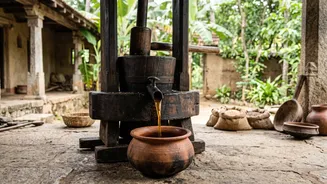
The magic of Tamil food lies in its nuanced use of spices. Rather than just adding heat, cooks focus on building layers of aromatic flavour. A key technique is the 'thalippu' or tempering, where spices like mustard seeds, cumin, urad dal, and curry leaves are briefly fried in hot oil to release their essential oils, forming the flavour base for countless dishes. Many masalas are ground fresh, often using a stone grinder known as an 'ammi kal', a practice that preserves the oils and potency of spices far better than pre-packaged powders. Tamarind provides a signature tang that balances the earthiness of lentils and the pungency of chillies, while ingredients like asafoetida and fenugreek add depth and digestive benefits.
Chettinad: Bold and Robust
Perhaps the most famous of Tamil Nadu's regional cuisines, Chettinad food is known for its complex and fiery spice blends. Hailing from the Karaikudi region, this cuisine is anything but subtle. Signature spices include star anise, black stone flower (kalpasi), and an abundance of dried red chillies. The masalas are intricate, often freshly ground, and create dishes that are intensely aromatic and pungent. Chicken Chettinad is its most famous export, a robust curry that perfectly showcases the region’s masterful use of spices to create a powerful, unforgettable flavour that is much more than just heat.
Kongunadu: Subtle and Earthy
In stark contrast to Chettinad's fire, the cuisine of the Kongu Nadu region in western Tamil Nadu is celebrated for its subtlety and earthy flavours. As an arid, inland area, its food is shaped by local produce like sesame, groundnuts, dry coconut, and millets. Kongu cooking uses spices sparingly, with a focus on highlighting the natural taste of the main ingredients. Turmeric is used extensively, giving dishes a golden hue and a medicinal quality. Dishes are often lighter and less oily, representing a gentle, more restrained approach to flavour that is just as complex as its fiery counterpart.
The Wisdom of Traditional Cookware
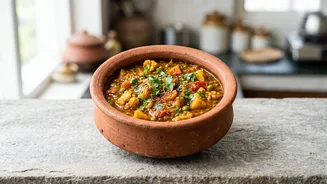
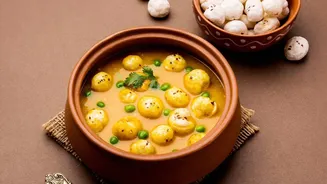
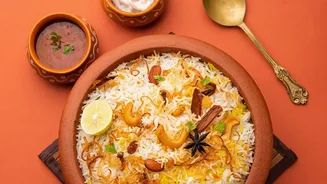
The tools used in Tamil cooking are as important as the ingredients. Traditional kitchens have long relied on the 'manpanai' or earthenware pot. Because clay is porous, it allows heat and moisture to circulate evenly, resulting in slow-cooked dishes where flavours meld beautifully and nutrients are preserved. This method also requires less oil, making the food healthier. The slow, gentle cooking process tenderises meat and vegetables, retaining their natural moisture and creating a depth of flavour that modern metal pans struggle to replicate. The return to clay pot cooking in many modern homes is a testament to its timeless benefits for both taste and health.