

Prioritise Hydration Above All
Before focusing on food, remember that hydration is key, especially during the humid monsoon season. Dehydration can quickly lead to headaches and low energy. Beyond plain water, include coconut water, buttermilk (chaas), and fresh fruit juices (without
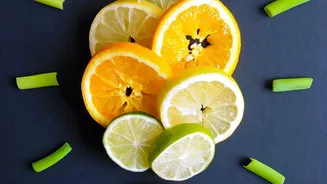
added sugar) in your diet. Starting your day with a glass of warm water with lemon can also help with detoxification. These fluids replenish electrolytes and provide a gentle energy boost to carry you through the day.
Choose Smart, Slow-Release Carbohydrates
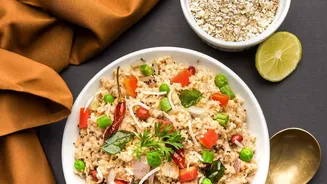
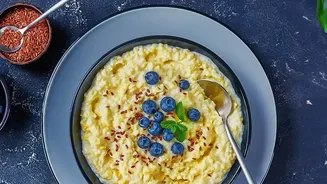
Many traditional fasting foods are high in carbohydrates, but not all carbs are created equal. While potatoes and sabudana (tapioca pearls) provide quick energy, nutritionists advise balancing them with more complex carbohydrates for sustained fuel. Incorporate vrat-friendly flours like kuttu (buckwheat), rajgira (amaranth), and singhara (water chestnut). These can be used to make rotis or cheelas. Samak rice (barnyard millet) is another excellent alternative to regular rice, offering fibre and nutrients to keep you full and prevent energy crashes.
Power Up with Plant-Based and Dairy Protein
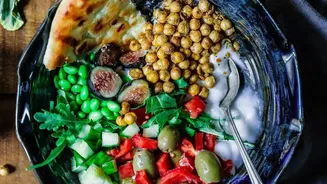
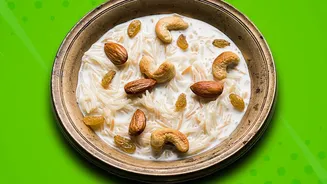
A common mistake during fasting is neglecting protein, which is crucial for maintaining muscle health and satiety. Dairy products like paneer, milk, and curd are excellent sources of protein that are permitted during Sawan fasts. A bowl of curd or a few cubes of grilled paneer can make a meal much more satisfying. Nuts and seeds like almonds, walnuts, and peanuts are also fantastic for snacking, providing a powerful combination of protein and healthy fats. A handful of roasted makhana (fox nuts) is another protein-rich, low-calorie snack.
Fill Up on Fibre with Fruits and Vegetables
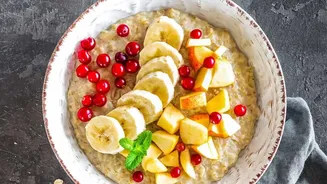
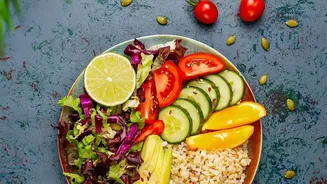
Fibre is essential for good digestion and preventing the heavy, sluggish feeling that can sometimes accompany fasting. All seasonal fruits are encouraged; apples, bananas, pomegranates, and papayas are great choices for natural sugars, vitamins, and fibre. For vegetables, stick to vrat-approved options like lauki (bottle gourd), pumpkin, sweet potatoes, and cucumbers. A simple fruit chaat with a sprinkle of rock salt or a bowl of boiled sweet potato can serve as a nutritious and filling mini-meal.
A Sample Balanced Meal Plan
To put it all together, here’s what a balanced day of eating could look like. Start your morning with a fruit and nut smoothie or a bowl of mixed fruits. For lunch, a serving of Sabudana Khichdi loaded with peanuts or a couple of Kuttu ki Puris with a simple lauki or aloo sabzi works well. To beat the afternoon slump, snack on roasted makhana or a handful of mixed dry fruits. For your main evening meal, consider a Rajgira Paratha with a bowl of curd or Samak Rice Pulao packed with vegetables.
Smart Cooking and Seasoning
How you cook is just as important as what you cook. Instead of deep-frying everything, opt for baking, grilling, or air-frying your food. Use sendha namak (rock salt) instead of regular table salt. Flavour your dishes with vrat-friendly spices like cumin, black pepper, green chillies, ginger, and cinnamon. These simple swaps reduce the intake of unhealthy fats and prevent issues like acidity, allowing you to feel light and energetic. Remember that the goal is to consume simple, pure (sattvic) food that is easy on the digestive system.