







A Dazzling Constellation of Stars
On paper, Portugal’s squad is an embarrassment of riches. In almost every position, they boast a player who is a star at one of Europe’s elite clubs. The defence is anchored by Rúben Dias, Manchester City’s formidable leader. The midfield creativity is staggering,
with Manchester United’s Bruno Fernandes and Manchester City’s Bernardo Silva capable of unlocking any defence. Flanking them are explosive wingers like AC Milan’s Rafael Leão and Barcelona’s João Félix. This isn't just a strong squad; it's a collection of individual artists, each at the peak of their powers. Unlike previous Portuguese teams that often relied on one or two superstars, this iteration has game-changers all over the pitch. The depth is so profound that players who would walk into most national teams are forced to fight for a place on the bench. This sheer volume of talent is the primary reason for the surging optimism surrounding the team.
The Ghost of Golden Generations Past
Indian football fans who followed the sport in the early 2000s will remember Portugal’s original “Golden Generation.” Led by the majestic Luís Figo and Rui Costa, that team promised so much but ultimately delivered no major trophies. They played beautiful football but lacked the final, decisive edge. The current squad faces the same ghost. Is a collection of brilliant individuals automatically a brilliant team? The Euro 2016 victory offers a complicated lesson. That champion team was arguably less talented than the current one. They won not through dazzling flair but through defensive pragmatism, grit, and the leadership of a peak Cristiano Ronaldo. They were a unit forged in functionality, not fantasy. The question for the current manager, Roberto Martínez, is which lesson to heed: the beautiful failure of the Figo era or the gritty triumph of 2016?
The Cristiano Ronaldo Conundrum
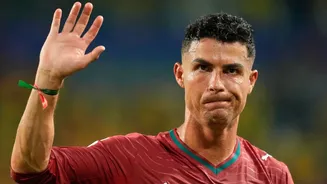
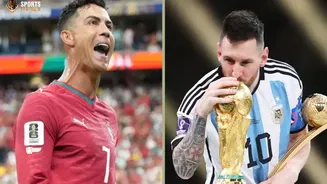
No discussion about Portugal is complete without mentioning Cristiano Ronaldo. He is the nation’s greatest-ever player, its all-time top scorer, and a global icon. Yet, his role in the current setup is the team's biggest tactical and emotional puzzle. At this stage in his career, Ronaldo is no longer the explosive winger who can single-handedly dominate games. While his goal-scoring instinct remains sharp, his presence can sometimes disrupt the fluid, high-pressing attacking style that players like Leão, Félix, and Silva thrive in. Dropping a legend is politically difficult, but building the attack entirely around him may not be the most effective strategy. How Martínez manages Ronaldo’s minutes and role—whether as a starter, an impact substitute, or a mentor—will be one of the defining factors of Portugal's campaign. It’s a delicate balancing act between honouring a legend and unleashing the full potential of the new generation.
The Martínez Factor: Blessing or Curse?
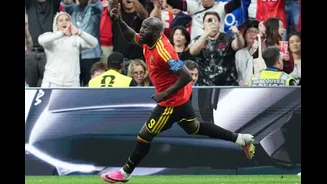
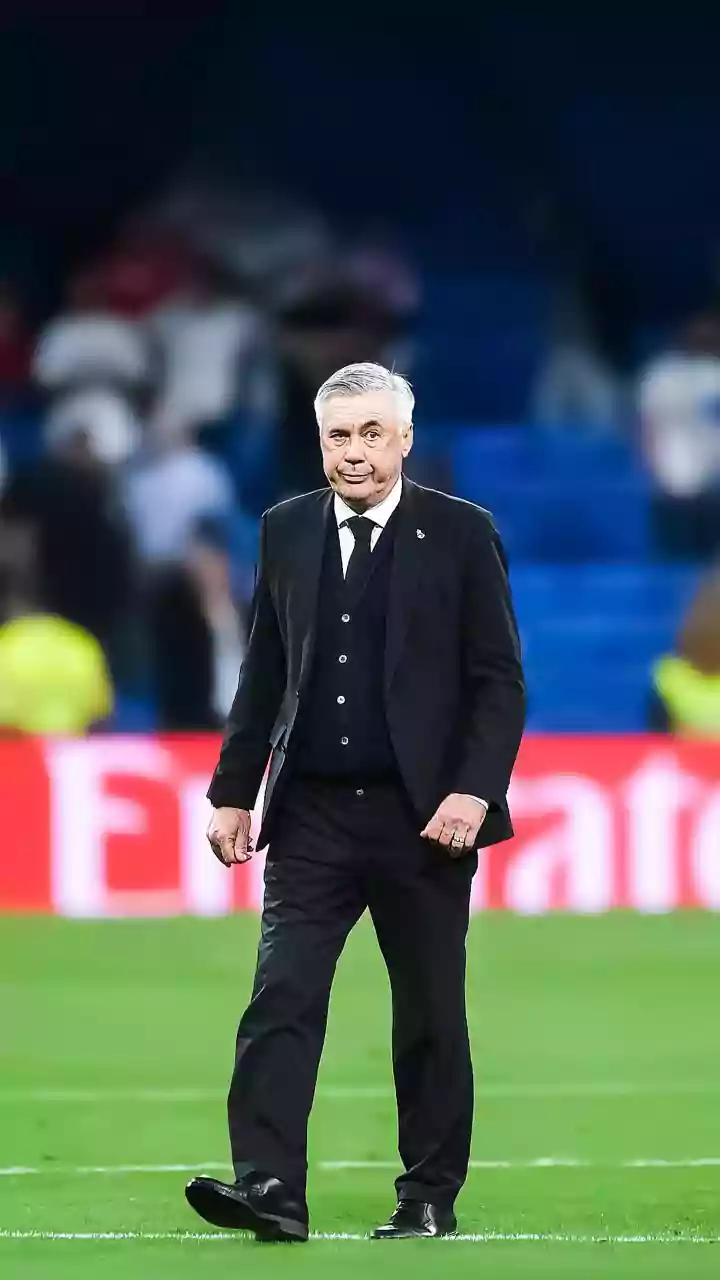
Appointing Roberto Martínez was a bold move. The Spanish coach is known for favouring an attractive, attacking style of football, which seems a perfect fit for Portugal’s creative players. His qualifying campaign was flawless, with Portugal winning every single game. However, sceptics will point to his tenure with Belgium’s own “Golden Generation.” Despite having a similarly talented squad featuring Kevin De Bruyne, Eden Hazard, and Romelu Lukaku, Martínez’s Belgium never reached a major final, often falling short due to perceived tactical inflexibility in crucial knockout matches. Is he the right man to solve the puzzle that he failed to solve with Belgium? Or will history repeat itself, with another hyper-talented squad under his watch dazzling in the group stages only to be out-thought in the do-or-die moments?