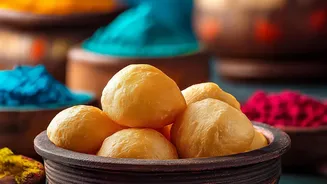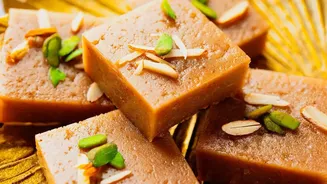

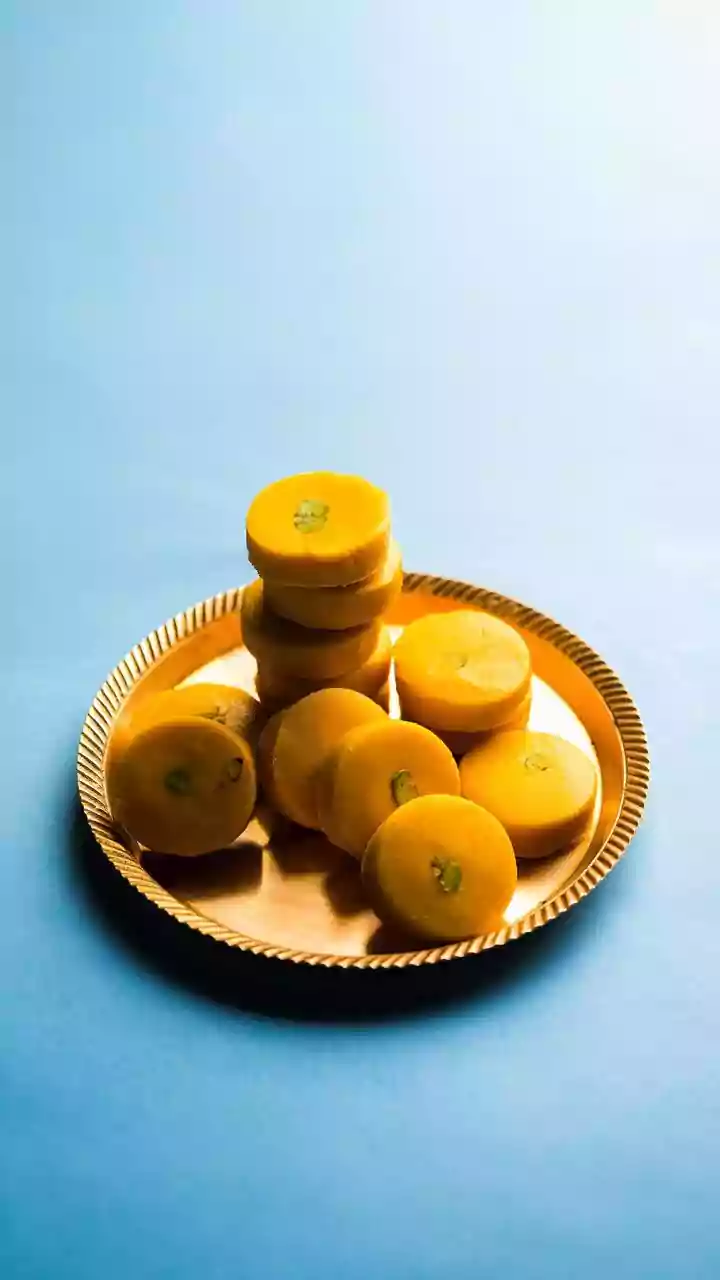
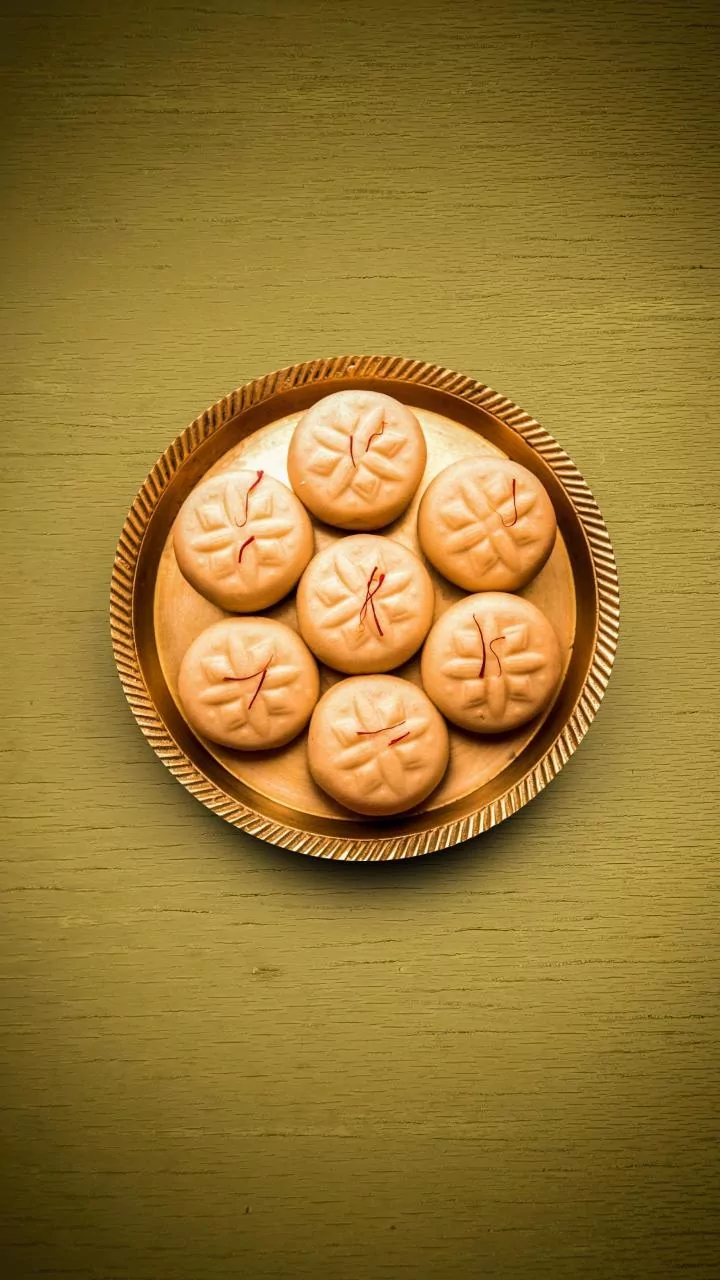
A Sweet with Divine Origins
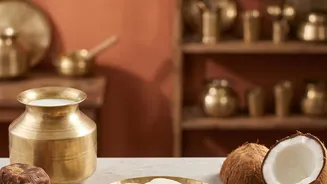
The story of the Peda is inseparable from Mathura's identity as the sacred birthplace of Lord Krishna. The entire Braj region, where Krishna is said to have spent his childhood, has a rich dairy heritage, with milk, butter, and curd being central to its
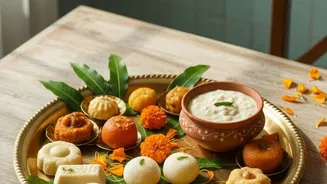
culture and cuisine. Legends tie Krishna's fondness for milk and milk-based sweets directly to the Peda's prominence. Over centuries, it evolved from a simple local sweet into the region's signature offering. Today, a visit to Mathura or Vrindavan is considered incomplete without tasting Peda, which is widely offered as 'prasad'—a blessed food given to deities in temples and then distributed among devotees. This sacred role means that traditional sweet makers hold their craft to a spiritual standard, preserving techniques passed down through generations.
The Art of Slow Caramelisation
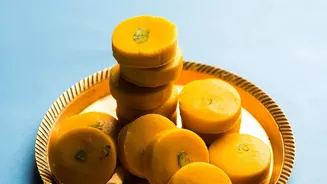
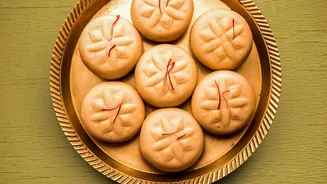
What truly sets the Mathura-style Peda apart from its countless paler cousins across India is its unique preparation method. The process is a labour of love and patience. It begins with khoya, or mawa, which is made by simmering whole milk in a large pan for hours until most of the water evaporates, leaving behind only the milk solids. While many pedas stop there, the Mathura method takes it a step further. The khoya is roasted, often with a bit of ghee, and stirred continuously over a low flame. This slow-roasting process, which can take a significant amount of time, caramelises the milk sugars, giving the peda its signature tan or dark brown colour, a deep, nutty aroma, and a complex flavour that is more caramel than fresh cream. This technique not only defines its taste but also gives it a longer shelf life, making it an ideal gift for pilgrims to carry home.
The Grainy Texture Secret
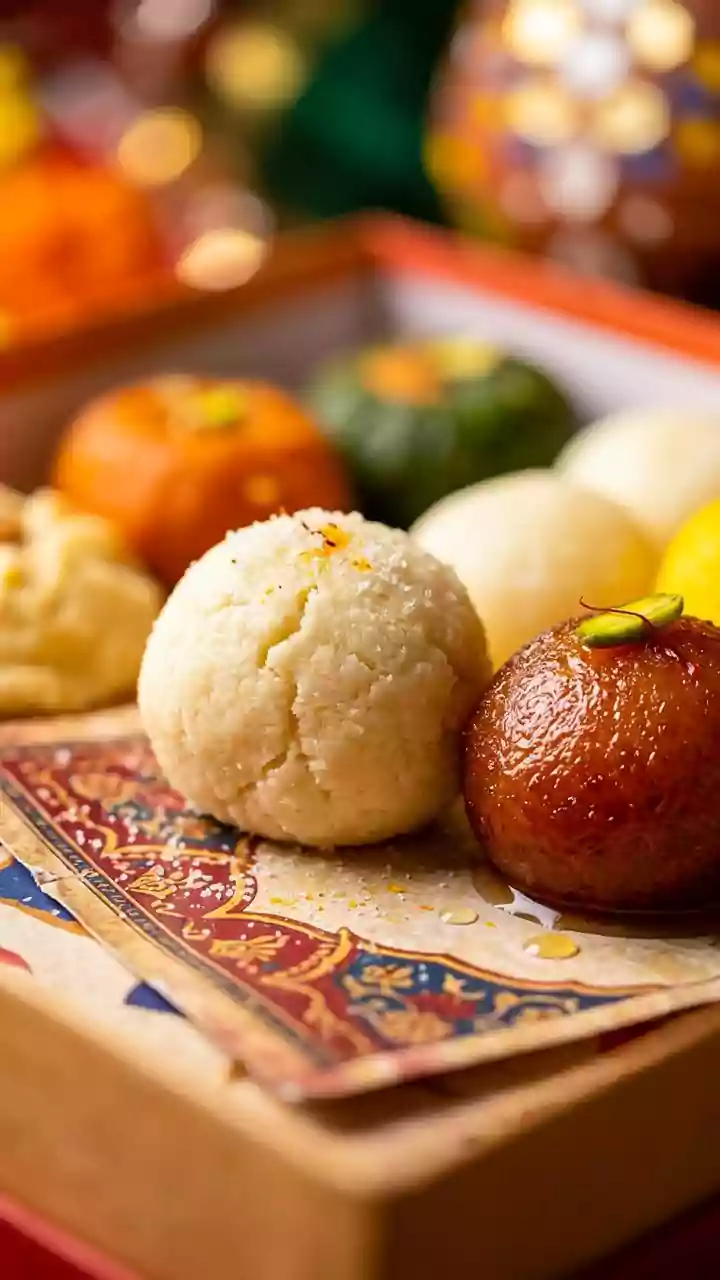
The taste is only half the story; the texture is the other. An authentic Mathura Peda is known for its distinctively soft yet grainy, melt-in-the-mouth consistency. This isn't achieved with regular powdered sugar. Traditionally, artisans use 'tagar' or 'bura', a special kind of sugar that is less refined and has a porous, crystalline texture. This special sugar is mixed into the roasted khoya after it has cooled slightly. When combined, it doesn't dissolve completely, creating the signature granular bite that connoisseurs cherish. The final step often involves rolling the shaped pedas in a light coating of this same bura sugar, giving them a dusty, matte finish that contrasts with the dense, dark interior.
The Peda Capital in the Modern Era
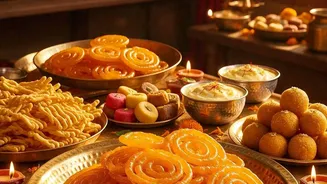
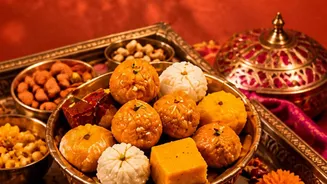
Today, Mathura's reputation as the Peda capital is as strong as ever. Hundreds of sweet shops, from generations-old establishments to newer outlets, line the city's streets, each proudly selling their version of the iconic sweet. The sweet has become a significant economic driver for the region, with thousands of artisans and producers involved in its creation. In recent years, there has been a significant push to secure a Geographical Indication (GI) tag for the Mathura Peda. An application was filed in early 2024 by the Mithai Association Mathura to legally protect its authenticity and heritage. While the GI tag is still in process as of late 2026, the effort underscores the deep cultural and economic importance of preserving this culinary treasure against widespread adulteration and imitation.