


Why Protein Diversity Matters
Before diving into the 'what', it's important to understand the 'why'. Protein is a vital building block for your body, essential for muscle repair, immune function, and hormone regulation. However, not all proteins are created equal. Different food sources
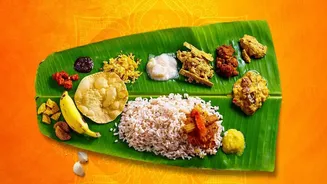
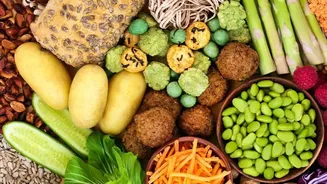
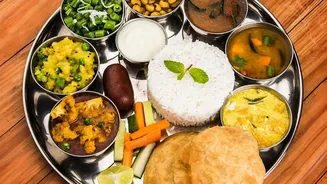
provide different profiles of amino acids, which are the components that make up protein. Animal proteins are 'complete', meaning they contain all nine essential amino acids your body can't produce on its own. Most plant proteins are 'incomplete'. By eating a variety of sources, you ensure your body gets the full spectrum of amino acids it needs to thrive. This is why the classic Indian combination of dal (lentils) and rice is so effective—together, they form a complete protein. A diverse protein intake also supports better gut health and ensures you're getting a wider range of other important nutrients like fibre, vitamins, and minerals.
Lentils and Legumes: The Foundation
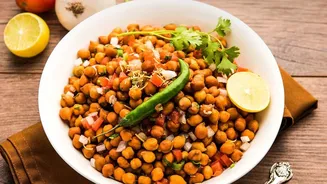
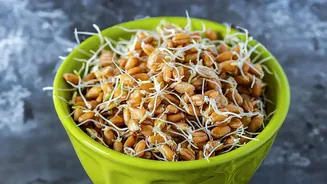
Lentils (dal), chickpeas (chana), and kidney beans (rajma) are staples in every Indian household for a reason. They are affordable, accessible, and packed with protein and fibre. A single cooked cup of lentils can offer around 18 grams of protein, while chickpeas and rajma provide about 15 grams. These foods form the backbone of a healthy diet, helping to regulate blood sugar and keep you feeling full for longer. Sprouting legumes like moong can also enhance their nutritional value and make them easier to digest. Whether it's a simple dal tadka, a hearty chana masala, or a comforting bowl of rajma, these foods are an easy first step to boosting your protein intake.
Dairy and Soy: The Vegetarian Powerhouses
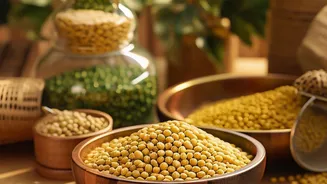
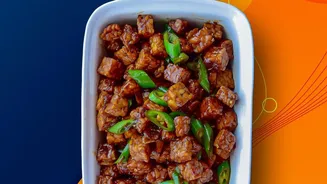
For vegetarians, dairy and soy products are exceptional sources of high-quality protein. Paneer, or Indian cottage cheese, is a favourite, providing roughly 18 grams of protein per 100-gram serving. It contains casein, a slow-digesting protein that promotes a feeling of fullness. Similarly, Greek yogurt (hung curd) offers almost double the protein of regular curd. For those looking for plant-based alternatives, soy is a king. Tofu, made from soybean curds, is a versatile, lean protein, while soybeans themselves are one of the most protein-dense legumes available. A cup of cooked soybeans can deliver a powerful 28 grams of protein.
Nuts and Seeds: The Nutrient-Dense Toppers
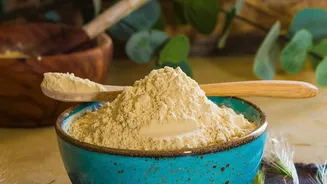
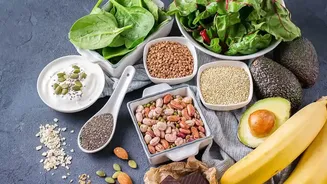
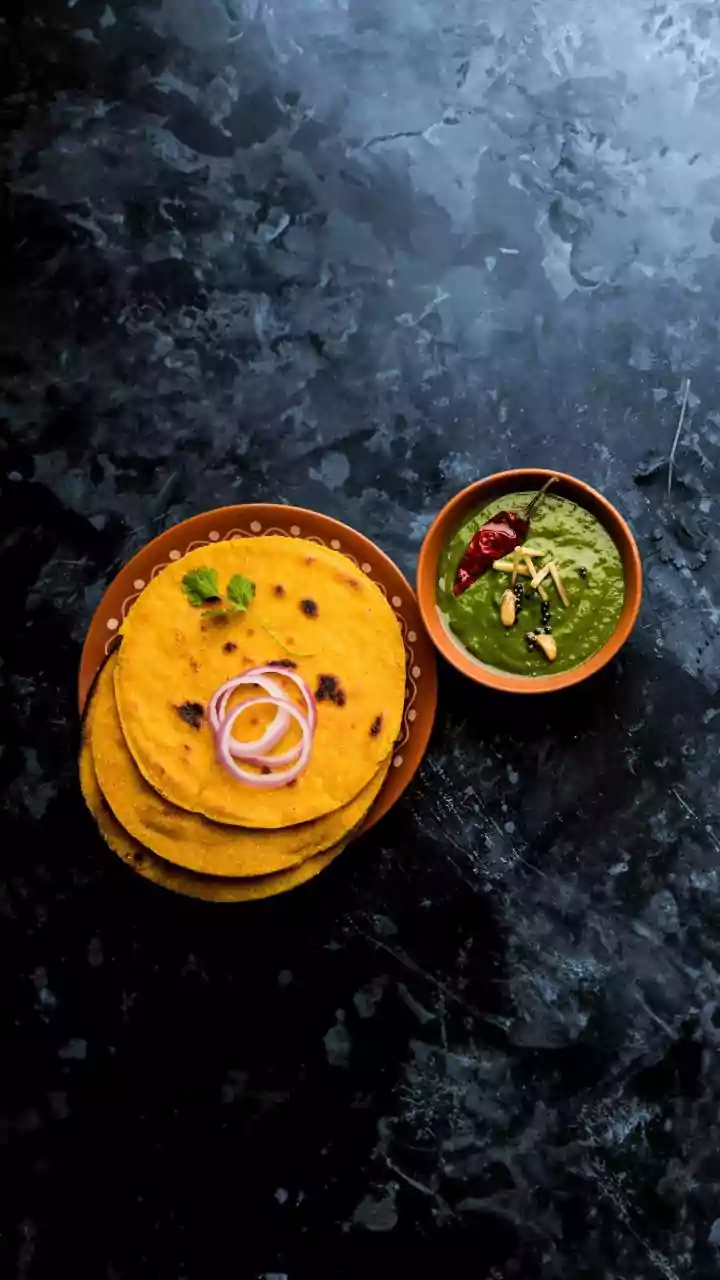
Don't underestimate the power of a handful of nuts and seeds. Almonds, walnuts, peanuts, and seeds like chia, flax, and sesame are small but mighty sources of protein, healthy fats, and essential minerals. They work perfectly as a snack, a topping for your yogurt or oatmeal, or blended into smoothies. Roasted gram flour, or sattu, is another traditional powerhouse, especially popular in Bihar and Uttar Pradesh. It can be mixed into a nutritious drink or used to make rotis, providing a significant protein boost to start your day.
Eggs, Poultry, and Fish: The Complete Proteins
For non-vegetarians, incorporating lean animal proteins can easily help meet daily requirements. Eggs are often called a 'complete' protein source and are one of the most affordable and versatile options available, with one egg containing about 6 grams of protein. Lean chicken breast is another excellent choice for muscle repair and growth. Fish like rohu and pomfret are not only rich in protein but also provide essential omega-3 fatty acids, which are crucial for heart and brain health. Integrating these sources a few times a week can add significant variety and quality to your protein consumption.