




The Two Pillars: Holding Time and Low Mess
Successful travel food planning rests on two key ideas. First, “holding time” refers to how long a food can be kept safe to eat without refrigeration. For perishable foods like meats and dairy, this is a critical food safety concern. The general rule
is to discard any perishable food that has been in the temperature 'danger zone' (between 40°F and 140°F) for more than two hours. This means your strategy must involve a good cooler for anything that spoils, or sticking to non-perishable options. Second, “low-mess” foods are your best friend in a car or train. Think of items you can eat with one hand, that don’t drip, crumble, or require extensive assembly. Prioritizing these two factors from the start will dictate your menu and make the entire experience smoother.
Smart Packing for Maximum Freshness
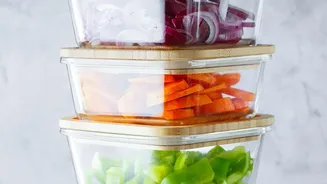
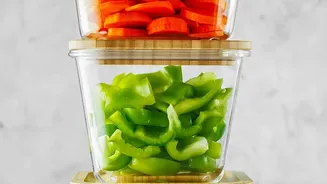
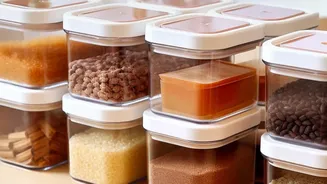
How you pack is as important as what you pack. A quality, well-insulated cooler is essential for perishable items. For best results, pre-chill your cooler overnight with a 'sacrificial' bag of ice before you pack it. Use large blocks of ice or frozen water bottles on the bottom, as they last longer than cubes. Pack in layers: items you'll need last go on the bottom, and ready-to-eat snacks and meals for the first day sit on top. This minimizes the time you spend with the lid open, which keeps the cold air in. Use airtight glass or hard plastic containers to prevent leaks and keep food from getting crushed. For multi-day trips, consider using two coolers: one for drinks and immediate snacks, and another that stays closed for longer-term perishables.
Breakfasts to Start Your Day Right
A good breakfast sets the tone for a day of travel. The goal is something filling that doesn't require a kitchen. Overnight oats prepared in a sealed jar are a fantastic option; you can top them with frozen berries, which help keep the oats cold. Hard-boiled eggs, peeled at home and stored in a container, are a simple, protein-packed choice. Pair them with a sturdy fruit like an apple or an orange for a balanced meal. Yogurt cups or tubes, kept cold in the cooler, are another easy grab-and-go option; pack a small bag of granola separately to maintain its crunch.
Substantial Meals Without the Spills
For lunch and dinner, focus on sturdy, satisfying meals that hold up well. Wraps are often less messy than sandwiches. Spread a tortilla with hummus or cream cheese, then layer with shredded carrots, spinach, and pre-cooked chicken or chickpeas. Sandwiches made on dense, sturdy bread with a moisture barrier like butter on both slices will prevent sogginess. Cold noodle or grain salads in a jar are another brilliant solution. Layer the dressing on the bottom, followed by hearty ingredients like chickpeas or cucumbers, and topped with greens. Cured meats like salami and hard cheeses such as cheddar travel much better than their softer, wetter counterparts.
Snacks to Keep Everyone Happy
Snacking is an essential part of any long journey. For non-refrigerated options, you can't go wrong with homemade trail mix, nuts, and seeds. Fruit leather, granola bars, and roasted chickpeas are mess-free and satisfying. For something savory, beef or turkey jerky is a high-protein choice that needs no refrigeration. If you have a cooler, string cheese, single-serve hummus or guacamole cups with pretzel thins or veggie sticks like baby carrots and mini bell peppers are great choices. Whole fruits like apples, oranges, and grapes are easy to handle and don't create a juicy mess.