







The New Social Scene
Across Indian cities, a subtle but significant shift is underway. The familiar backdrop of clinking glasses and curated cafe playlists is fading for many young adults, replaced by the rhythmic sound of footsteps on a jogging track and the murmur of conversation
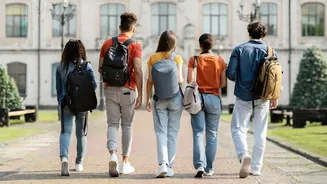
under the open sky. Neighbourhood parks, lakeside promenades, and residential walking paths are no longer just for retirees or fitness fanatics. They are transforming into vibrant 'third places'—social hubs outside of home (the first place) and work (the second)—for a generation redefining what it means to hang out. This isn't just about getting in 10,000 steps; it's about connection. Friends are catching up, colleagues are debriefing, and couples are spending quality time, all while doing laps around their local park. The focus has moved from consumption-driven gatherings to experience-driven ones.
The Economics of Hanging Out
One of the most powerful drivers of this trend is simple economics. Socialising in urban India has become an expensive affair. A couple of coffees and a snack at a trendy cafe can easily set you back, and a night out at a bar is even more prohibitive for young professionals and students on a budget. As one Bengaluru student noted, the city needs more affordable alternatives to the default options of cafes and restaurants. Walking, in contrast, is free. It removes the financial pressure and the implicit obligation to keep ordering something to justify occupying a table. This accessibility democratises social life, allowing for more frequent and spontaneous get-togethers without the worry of a mounting bill.
Wellness as a Social Activity
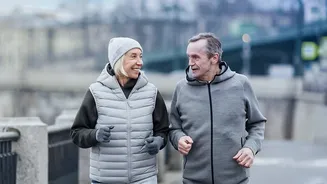
The growing global emphasis on wellness has found fertile ground in India, especially among its youth. But the new 'social wellness' culture reframes exercise as a shared experience rather than a solitary chore. Instead of being plugged into headphones at a gym, people are finding motivation and community in walking groups and run clubs. This approach offers a lower-pressure alternative to traditional fitness environments. The conversation flows more naturally when you’re walking side-by-side, without the intensity of direct eye contact across a small table. It fosters a different, often deeper, kind of communication, blending physical activity with mental and emotional connection. For a generation that spends much of its day online, the appeal of real-world interaction is powerful.
A Post-Pandemic Legacy
The COVID-19 pandemic and subsequent lockdowns were a major catalyst for this shift. Confined to their homes and immediate localities, many people rediscovered the public spaces in their own neighbourhoods. The pandemic had a profound impact on the mental health and social habits of young Indians, fostering a greater appreciation for open spaces, fresh air, and simpler forms of recreation. Studies have found an association between access to green spaces and better mental wellbeing. The forced pause from the usual hustle of city life made many question their old routines, including how and where they socialised. The park, once a place to pass through, became a destination in itself—a safe and accessible venue for connection when indoor options were limited.
The Urban Planning Question
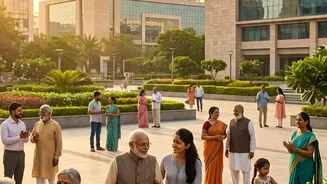
This trend also highlights the critical importance of urban infrastructure. The ability to use walking tracks as social venues depends entirely on their availability, quality, and safety. In many Indian cities, walking is still a challenge due to a lack of proper footpaths, poor lighting, and traffic congestion. The rise of pedestrian plazas in cities like Chennai shows how well-designed public spaces can foster community. As more young people seek out these informal social hubs, it sends a clear message to urban planners: creating safe, accessible, and well-maintained pedestrian networks and green spaces is not just a mobility issue, but a crucial investment in the social fabric and collective well-being of the city.