




Embrace Dynamic Storage
The traditional approach to storage is to find a permanent home for everything. In a compact space, this rigidity quickly becomes a problem. A corner dedicated to a home office might sit unused in the evenings, while a guest bed might occupy valuable
floor space for months between visitors. The philosophy of adaptive storage flips this idea on its head. Instead of fixed solutions, it champions flexibility. It’s about creating a living environment that can evolve with your daily, weekly, and seasonal needs, ensuring that your space works for you at all times, not just some of the time. This means thinking of your storage not as a set of static boxes and shelves, but as a dynamic system that can be reconfigured with minimal effort.
The Power of Modular Systems
Modular furniture is the cornerstone of an adaptive home. Think cube shelving that can be stacked high to use vertical space, separated into a low media console, or arranged into a room divider. These systems empower you to become the architect of your own space. When a new hobby requires more room, you can reconfigure your shelves. When you need to clear a space for a workout, you can break down a unit and tuck it away. The key is to invest in pieces that are designed to be changed. Look for lightweight materials and simple assembly. This approach allows you to adjust your storage landscape as your life changes, whether you're accommodating a new family member or simply decluttering your mind.
Furniture That Works Overtime
In a small home, every piece of furniture should earn its keep. Multi-functional furniture is essential for creating a space that can transform in minutes. An ottoman with hidden storage can hold blankets and magazines, while also serving as a coffee table or extra seating. A dining table can fold down into a slim console when not in use. A lift-top coffee table can transform into a comfortable desk for work-from-home days. These clever designs eliminate the need for multiple, single-purpose items that eat up precious square footage. By choosing furniture that serves two or even three functions, you create a home that is ready for anything, from a quiet night in to hosting a small gathering.
Adapting to Daily Rhythms
Adaptive storage isn't just about big, seasonal changes; it's also about the small shifts in your daily routine. Consider creating a 'landing strip' near your entryway on a floating shelf or a small cart. In the morning, it can hold your keys, wallet, and a travel mug. In the evening, these can be swapped for mail, a book, and reading glasses. In the living room, a decorative box or a stylish basket can hold daily-use items like remote controls, chargers, and lip balm, keeping your coffee table clear. By having designated, easily accessible spots for the items you use throughout the day, you prevent clutter from accumulating on surfaces and maintain a sense of order. The goal is to make tidying up an effortless part of your daily flow.
The Art of the Seasonal Swap
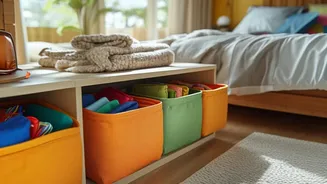
Not everything you own needs to be accessible all year round. Implementing a seasonal rotation system can dramatically increase your usable living space. This involves storing off-season items—like heavy winter coats, festive decorations, or summer beach gear—in less accessible places, such as under the bed, in high cupboards, or in neatly labelled bins. A consistent routine makes this process manageable; you might choose a weekend in April to pack away winter woollens and bring out lighter textiles, and another in October to do the reverse. Keeping a simple checklist, either on your phone or taped inside a cupboard, helps you remember what you've stored where, making the seasonal swap a smooth and organised ritual rather than a frantic search.