






The Power of Two Pillars
On their own, both brisk walking and silent meditation are celebrated wellness practices. A brisk walk gets your heart rate up, releases endorphins, and helps clear your head by physically moving your body through a new environment. It’s an active, outward-facing
practice. Studies consistently show its benefits for cardiovascular health, mood regulation, and even cognitive function. Silent meditation, on the other hand, is an inward-facing practice of stillness. By focusing on your breath or a mantra, you train your mind to disengage from the constant stream of thoughts, anxieties, and plans. This practice is renowned for its ability to lower stress levels, improve focus, and cultivate a sense of present-moment awareness. Each is a powerhouse, but their true potential is unlocked when they work in concert.
Why The Combination Works
The magic of combining these two activities lies in synergy. A brisk walk acts as a perfect warm-up for the mind. It helps burn off restless physical energy and nervous tension that can make it difficult to sit still. Think of it as shaking out the rug before you sweep the floor. The movement quietens the body's fidgetiness, making the transition to silent stillness feel more natural and less forced. Conversely, a regular meditation practice enhances the quality of your walks. You become more attuned to the sensory details of your environment—the feeling of your feet on the ground, the sound of the wind, the sight of leaves—turning a simple exercise into a rich, mindful experience. This pairing creates a holistic routine that addresses both the body’s need for movement and the mind’s need for peace.
Method 1: The Walk-to-Sit Practice
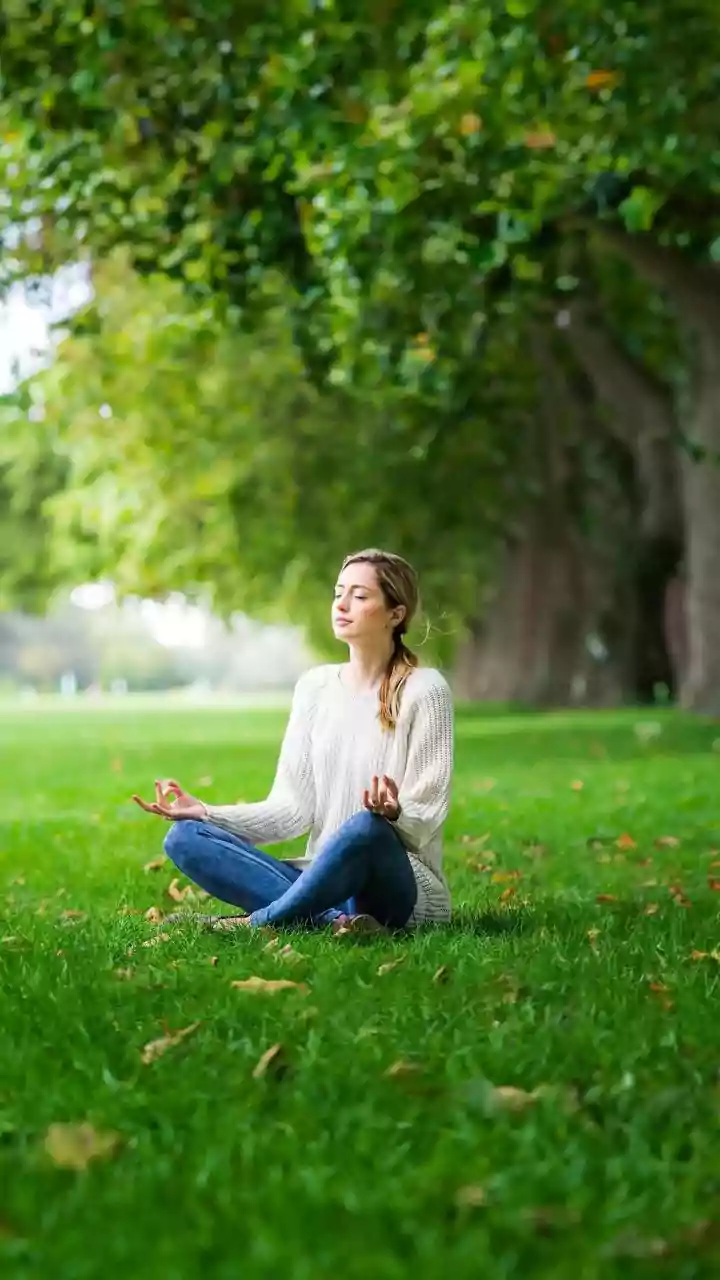
This is the most straightforward way to combine the two. The goal is to use the walk to prepare for meditation. First, go for a 20- to 30-minute brisk walk. The pace should be energetic enough to get your blood flowing but not so intense that you’re completely breathless. During the last five minutes of your walk, consciously begin to slow down, allowing your heart rate to settle. Find a quiet bench, a spot under a tree, or return to a comfortable chair at home. Immediately after your walk, sit down, close your eyes, and begin your meditation. You might find your mind is significantly clearer and quieter than if you had tried to meditate from a standstill. Start with just five or ten minutes of silent sitting, focusing on the natural rhythm of your breath. The physical release from the walk makes mental stillness far more accessible.
Method 2: Mindful Walking Meditation
This method integrates meditation directly into the act of walking. Instead of a brisk, heart-pumping pace, a walking meditation is slow, deliberate, and deeply sensory. Find a short, clear path, perhaps 10 to 20 paces long. Begin by standing still and taking a few deep breaths. Then, start walking very slowly. Pay intense attention to the physical sensations: the lifting of one foot, the feeling of it moving through the air, the placement of the heel, and then the roll of the sole as your weight shifts. You can coordinate your breath with your steps, perhaps inhaling as you lift one foot and exhaling as you place it down. When you reach the end of your path, pause, turn around slowly, and walk back with the same focused attention. This isn't about getting anywhere; it’s about being fully present in the simple, profound act of walking.
Creating Your Personal Ritual
Consistency is more important than perfection. To make this practice stick, weave it into your daily life. Find a time that works for you—perhaps a morning walk to start your day with clarity, or a lunchtime session to de-stress. Choose a location that feels safe and calming, like a local park, a quiet neighbourhood, or even your own backyard. Don't worry about having special gear; comfortable shoes are all you need. The key is to start small and be patient with yourself. Some days your mind will be busy, and other days it will feel serene. The goal isn't to achieve a perfectly empty mind but to simply show up for the practice. By creating this simple ritual, you build a reliable sanctuary of peace that you can return to anytime.