



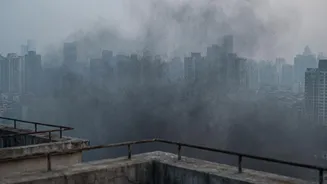
The Annual Return of Smog
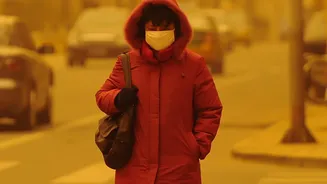
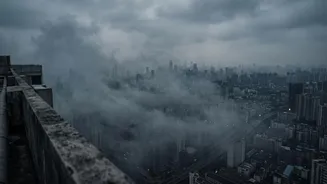
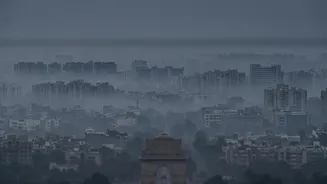
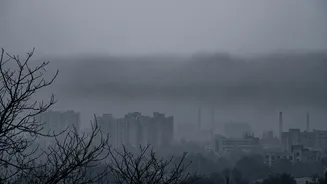
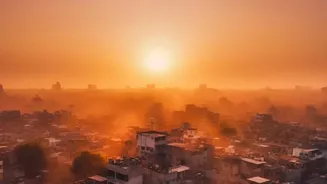
Delhi's air quality took a turn for the worse on October 21, slipping into the 'poor' category for the first time this season with an Air Quality Index (AQI) of 245. This dip prompted authorities to implement Stage I of the Graded Response Action Plan
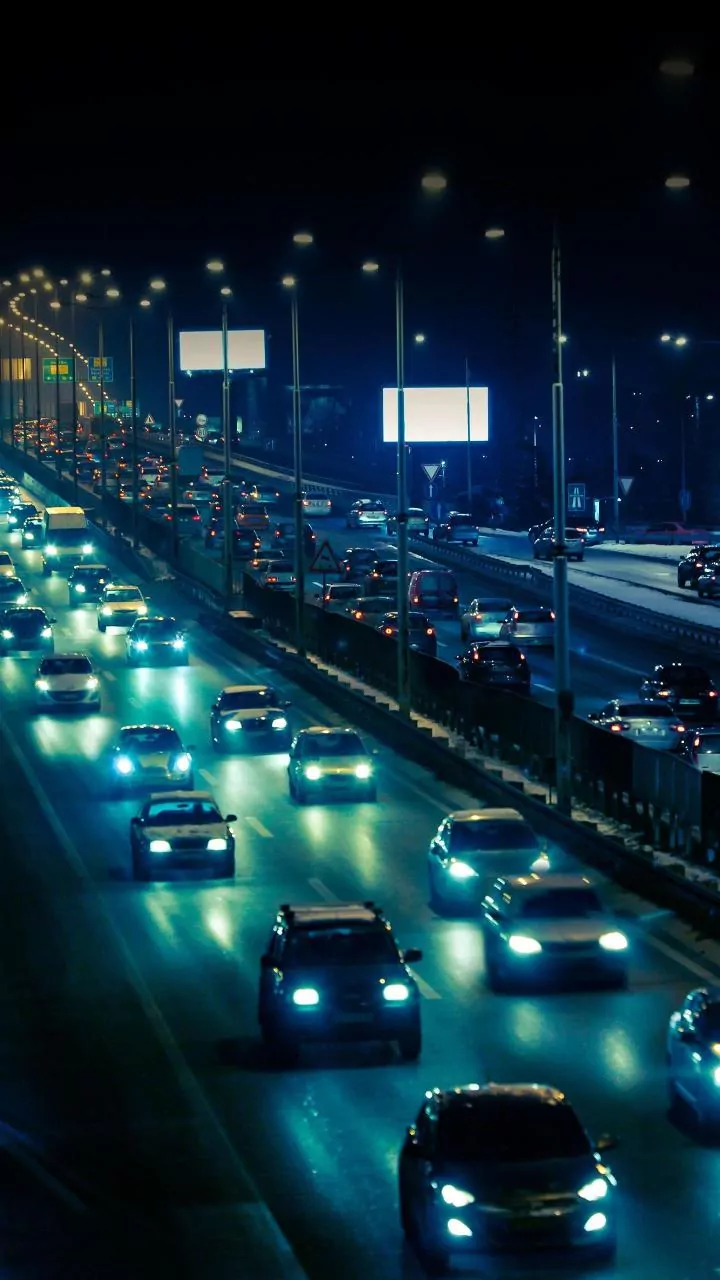
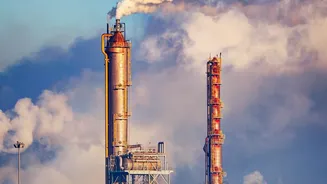
(GRAP) across the NCR. This seasonal deterioration is driven by a combination of factors, including lower temperatures and calmer winds that trap pollutants close to the ground. Major contributors to the city's pollution load include vehicle emissions, industrial output, construction dust, and smoke from stubble burning in neighbouring states. While daily AQI figures provide a snapshot, hourly data often reveals that pollution levels can spike into the 'Very Poor' range, especially during late-night hours.
Why Your Eyes Are So Vulnerable
Your eyes are one of the first parts of your body to react to air pollution because their surfaces are directly exposed to the environment. The air is filled with a cocktail of harmful pollutants, including microscopic particulate matter (PM2.5), nitrogen dioxide, sulfur dioxide, and ground-level ozone. These particles and gases settle on the ocular surface and disrupt the tear film, a thin layer of moisture that protects your eye. This disruption causes tears to evaporate more quickly, leading to dryness, and allows pollutants to directly irritate the sensitive conjunctiva—the clear membrane covering the white of your eye. The result is an inflammatory response that manifests as redness, a burning sensation, and itchiness.
Know the Warning Signs
The body's reaction to airborne irritants can range from mild discomfort to severe symptoms. Recognizing these signs is the first step toward finding relief. Common symptoms of pollution-related eye irritation include: a persistent burning or stinging sensation; redness and itchiness; excessive watering as the eyes try to flush out foreign particles; a gritty feeling, as if sand is in your eye; and dryness that can cause eye fatigue. Some people may also experience temporary blurred vision or increased sensitivity to light. If you wear contact lenses, you might find they become more uncomfortable and your vision gets smudged as particulates build up on the lens surface.
How to Protect Your Eyes from Pollution
While you can't control the outdoor air quality, you can take several effective steps to minimise eye irritation. Start by wearing protective eyewear. Wraparound sunglasses or even regular eyeglasses can act as a physical barrier, shielding your eyes from dust and pollutants. For home and office, using an air purifier can help reduce indoor airborne irritants. It's also wise to limit your screen time, as prolonged computer use reduces your blink rate and can worsen dryness. Stay well-hydrated to support your body's overall health, including tear production. When you return home after being outside, wash your hands thoroughly and avoid rubbing your eyes, which can transfer more irritants and worsen inflammation.
Finding Relief: Remedies and When to See a Doctor
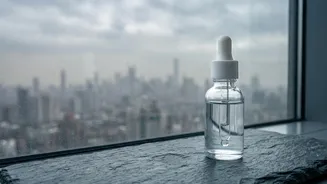
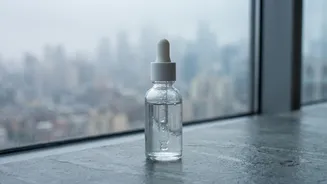
For immediate relief from mild irritation, you can use preservative-free lubricating eye drops, often called artificial tears. These help to moisturise the eye's surface and flush out contaminants. Gently rinsing the area around your eyes with clean water can also help remove particles. However, avoid splashing tap water directly into your eyes, as it can sometimes cause more irritation. While these home remedies are effective for many, you should not ignore persistent symptoms. If you experience severe eye pain, thick discharge, swelling, or a sudden change in your vision that lasts for more than a couple of days, it is crucial to consult an ophthalmologist. These could be signs of a more serious infection or corneal damage that requires medical treatment.