


What is T Coronae Borealis?
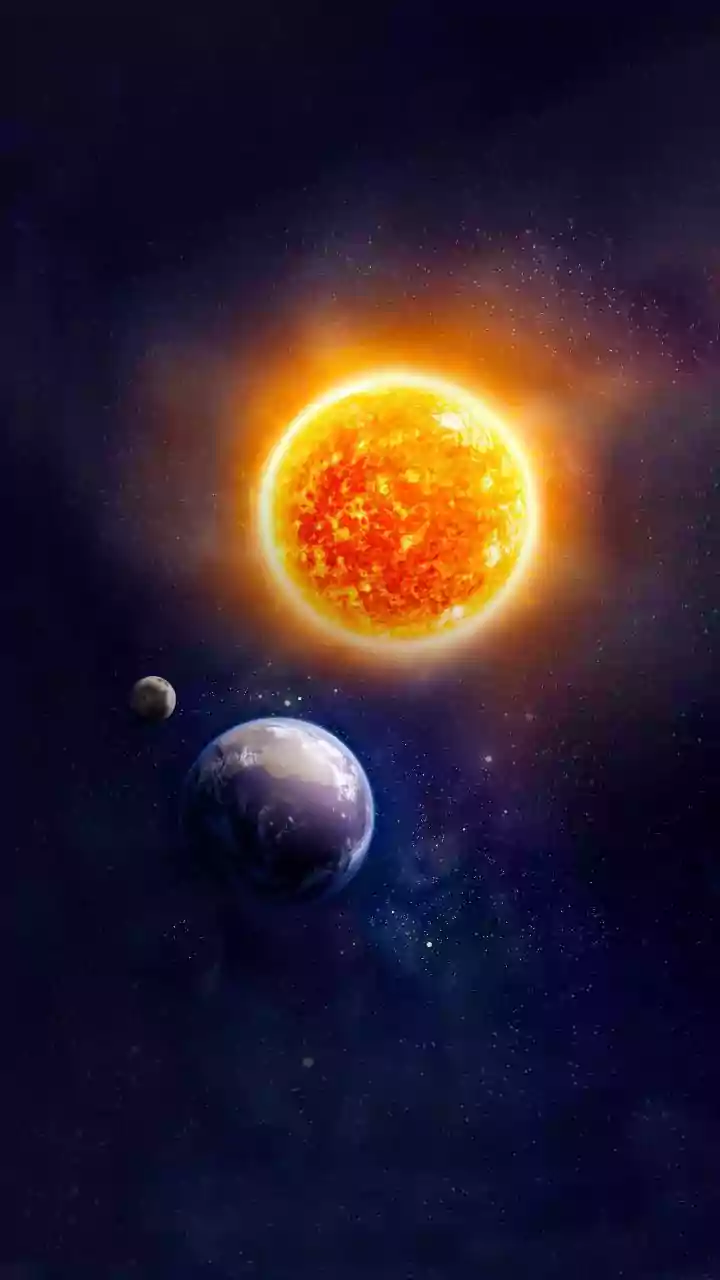
Deep in the cosmos, about 3,000 light-years from Earth, lies a fascinating stellar pair known as T Coronae Borealis (T CrB). This isn't a single star but a binary system, where two stars are locked in a gravitational dance. One is a white dwarf—the dense,
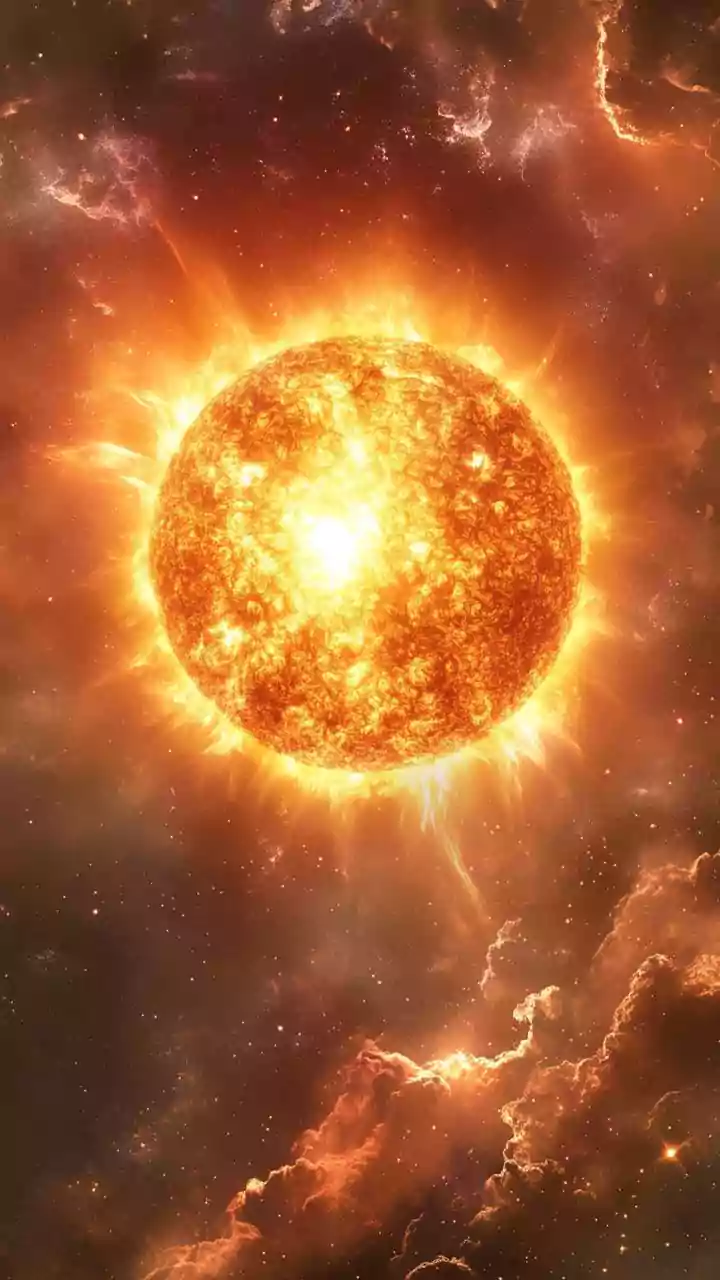
collapsed core of a star that was once like our Sun. Its partner is an aging red giant, a massive, swollen star that is shedding its outer layers into space. T CrB is famous for being a 'recurrent nova,' which means it undergoes dramatic outbursts periodically. The last time it put on a show for sky-watchers on Earth was in 1946. Before that, it was in 1866. Now, nearly 80 years later, astronomers predict it’s about to happen again.
The Cosmic Dance Behind the Blast
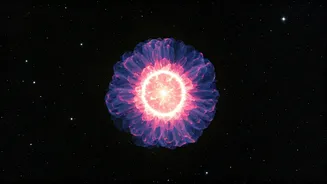
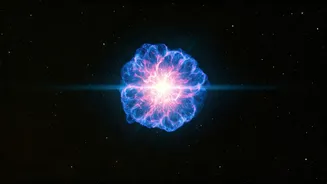
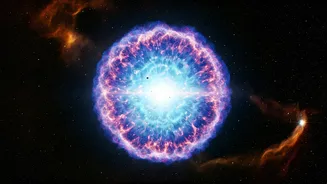
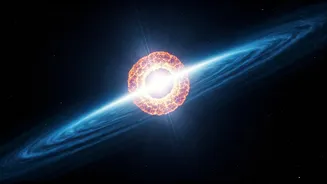
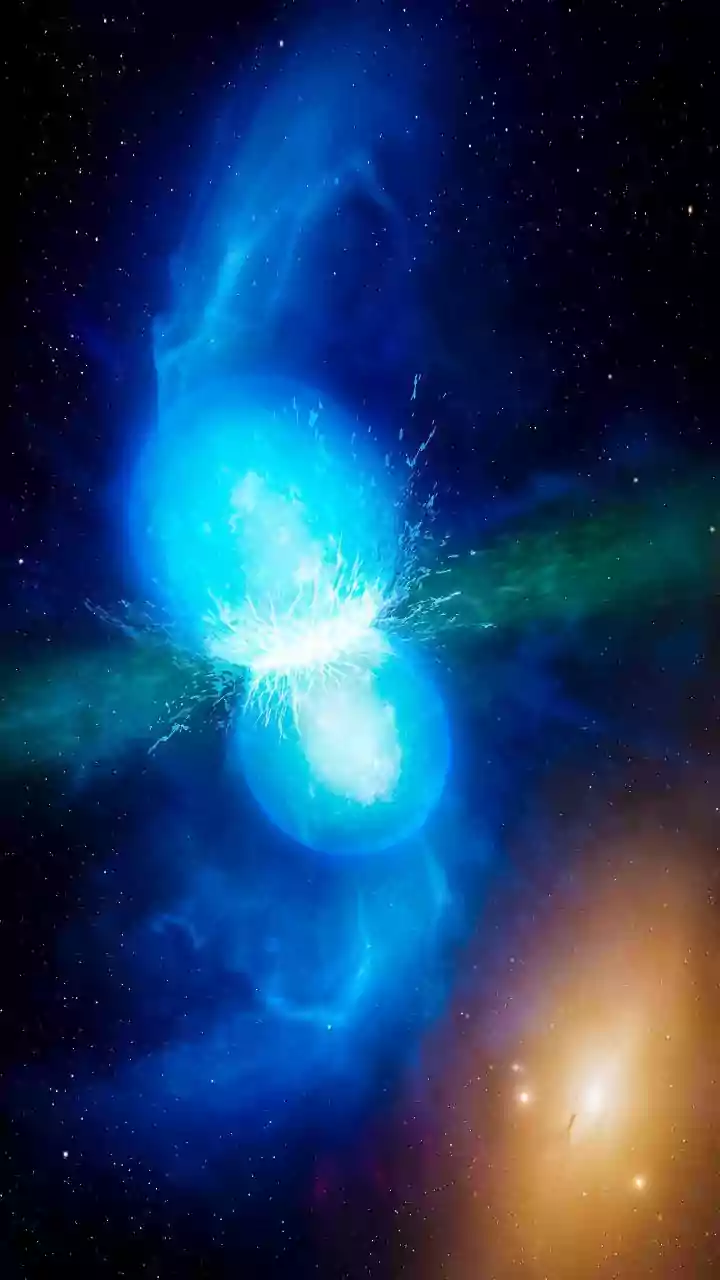
So, what causes this incredible explosion? Imagine the white dwarf as a cosmic vampire. Its intense gravity continuously pulls, or 'accretes,' material—mostly hydrogen—from its larger red giant companion. This stolen hydrogen accumulates on the white dwarf's surface, becoming hotter and denser over time. Eventually, the pressure and temperature reach a critical point, triggering a runaway thermonuclear reaction. This is the nova explosion. It’s crucial to understand this isn't the star destroying itself, like a supernova. Instead, it’s a surface-level blast that violently ejects the accumulated material into space, causing a rapid and immense increase in brightness. The cycle then begins all over again, which is why it's a 'recurrent' nova.
When and Where to Look
This is the billion-rupee question. Astronomers, including experts at NASA, predict the eruption will occur sometime between now and September 2024. The exact day is impossible to pinpoint, which is why stargazing communities are on high alert. When it happens, you'll need to find the constellation Corona Borealis, or the 'Northern Crown.' It's a small, C-shaped arc of stars located between the more prominent constellations of Boötes (the Herdsman) and Hercules. To find it, first locate the bright star Arcturus in Boötes; the Northern Crown will be nearby. The nova will appear as a new, bright point of light within this arc, shining with a magnitude similar to that of Polaris, the North Star. This makes it a relatively easy target, once you know where to look.
Do You Need a Telescope?
Here's the best part: no expensive equipment is required. T Coronae Borealis is normally too dim to be seen with the naked eye. However, during the nova event, its brightness will flare up so dramatically that it will be visible without any aid, even from areas with moderate light pollution. It will look like a new star has temporarily joined the Northern Crown. For an even better view, a simple pair of binoculars will work wonders. They will help you appreciate the 'new' star's brightness compared to its neighbours and make the C-shape of the constellation clearer. The nova will likely be visible to the naked eye for a few days and through binoculars for about a week before it fades back into obscurity for another 80 years.
Why This Event Is So Important
For professional and amateur astronomers alike, this is a huge deal. Recurrent novae are rare, and having the opportunity to observe one with modern technology is a gift. The 1946 event was studied with the tools of that era, but today, we can analyse the light from the explosion in unprecedented detail. This data helps scientists understand the physics of thermonuclear reactions and the life cycles of stars. Furthermore, it’s a global community event. Amateur astronomers across India and the world will be the first to spot the change and alert the scientific community. They play a vital role in monitoring such variable stars, making this a beautiful collaboration between professionals and passionate hobbyists.