






Invest in a High-Quality Dry Bag
A regular backpack, even one labelled 'water-resistant', won't stand up to a proper Indian downpour. Your first line of defence should be a truly waterproof dry bag. These bags are designed for activities like kayaking and rafting, using roll-top seals
to create an airtight and watertight closure. They come in various sizes, from small pouches for your phone and wallet to larger backpacks that can hold a laptop and camera gear. Think of it as essential insurance for your electronics; spending a little extra on a reliable dry bag is far cheaper than replacing a water-damaged laptop.
Understand 'Water-Resistant' vs. 'Waterproof'
Many modern smartphones and smartwatches are advertised with an IP rating, like IP67 or IP68. This 'Ingress Protection' code tells you how well a device is sealed against solids (the first number) and liquids (the second number). A higher second number means better water protection. However, 'water-resistant' does not mean 'waterproof'. An IP68 rating might mean the phone can survive being submerged in fresh water for a limited time, but it doesn't account for the pressure of heavy rain or submersion in other liquids. Always treat these ratings as a backup for accidental splashes, not a license to be careless in a storm.
Embrace the Humble Ziplock Pouch
For an affordable and surprisingly effective solution, never underestimate the power of a good quality ziplock pouch. They are perfect for creating an extra layer of protection inside your main bag. You can segregate smaller items like your phone, power bank, charging cables, and earbuds into individual pouches. This not only protects them from external rain but also contains any potential leaks from a water bottle inside your backpack. For phones, transparent waterproof pouches with a lanyard are also a great option, allowing you to use your phone while it remains sealed.
Fight Humidity with Silica Gel
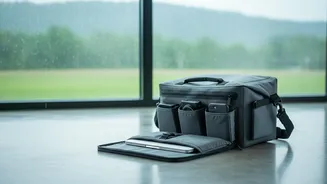
Water damage isn't just about direct rain; pervasive monsoon humidity is a silent threat. Moisture in the air can slowly seep into your electronics, leading to corrosion and malfunction over time. A great pro-tip is to toss a few silica gel packets into your electronics bag or camera case. These are the small packets you find in new shoe boxes or with new products. They are excellent at absorbing ambient moisture, keeping the environment inside your bag dry and safe for your gadgets.
Create an Emergency Dry-Out Kit
Preparation is key, but accidents happen. Be ready by packing a small 'dry-out' kit. This should include a microfibre cloth for gently wiping away water and a few fresh silica gel packets. If your device gets wet, the first steps are crucial: immediately turn it off, do not plug it in, and remove the battery and SIM card if possible. Gently pat the exterior dry. Contrary to popular belief, do not put your phone in uncooked rice; this is largely ineffective and can introduce dust and starch into the ports. Instead, place the device in an airtight container with silica gel packets for 24-48 hours to draw out the moisture.
Be Careful with Charging
Never, ever charge a device that you suspect is wet or even damp. Electricity and water are a dangerous combination that can cause a short circuit, permanently frying your gadget’s internal components. Most modern phones will even display a warning if they detect moisture in the charging port. Make sure your device, its port, and the charging cable are all completely dry before you even think about plugging them in. If you've been out in the rain, it's wise to let your phone air out for at least 30 minutes to an hour in a dry, ventilated area before charging.
Protect Your Camera Gear
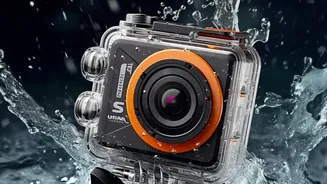
For photographers, the monsoon offers dramatic skies and beautiful scenes, but it's a high-risk environment. If you don't have a fully weather-sealed camera body and lens, invest in a dedicated rain cover for your camera. These are far more effective than a makeshift plastic bag. When changing lenses, do it indoors or under a secure shelter to prevent moisture from getting inside the camera body and onto the sensor. Always keep a lens cloth and silica gel packets in your camera bag. After a day of shooting, let your gear acclimatise in a dry room before packing it away.