





From Problem to Potential
Globally, about a third of all food produced for human consumption is lost or wasted, creating enormous economic and environmental costs. In India, this figure represents a significant challenge, with an estimated 68 million tonnes of food wasted each
year. This waste occurs at every stage, from farms to processing facilities, retailers, and eventually, our own homes. Traditionally, this organic matter ends up in landfills, generating harmful greenhouse gases. However, a shift in perspective is reframing this problem as a massive opportunity. Innovators and businesses are now looking at food waste not as refuse to be disposed of, but as a resource-rich stream of untapped value, ready to be converted into something new.
The Science of Upcycling Waste into Protein
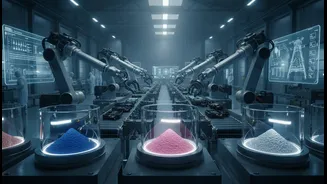
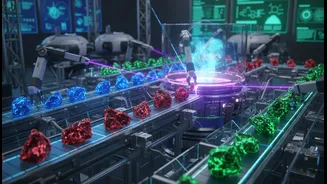
The magic of turning waste into a high-value nutrient lies in advanced biological processes. Two leading methods are microbial fermentation and insect bioconversion. In microbial fermentation, microorganisms like fungi, bacteria, or algae are fed organic waste streams—such as leftover agricultural residues or spent grains from breweries. These microbes rapidly grow, creating a protein-rich biomass that can be harvested and processed into a neutral-tasting powder with up to 60-70% protein content. The other method uses insects, particularly Black Soldier Fly larvae. These larvae are voracious eaters of organic waste. As they grow, they convert the waste into their own body mass, which is rich in protein and fats. The larvae are then harvested and processed into a high-quality protein meal and oils suitable for animal feed, pet food, and aquaculture. Both methods are significantly more sustainable than traditional protein production, requiring far less land and water.
What is a Circular Kitchen?
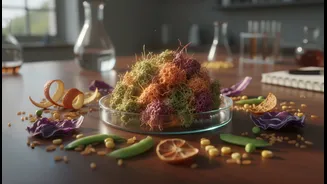
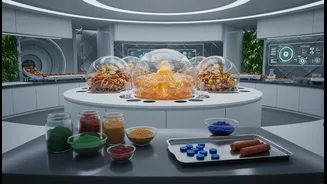
The concept of a 'circular kitchen' extends the principles of the circular economy directly into our food spaces. It’s a system designed to eliminate waste and keep resources in use for as long as possible. This goes beyond just composting leftovers. In a commercial context, restaurants and food manufacturers are adopting practices like using every part of an ingredient—think turning vegetable peels into garnishes or fish skin into chips. Upcycled protein fits perfectly into this model. A circular kitchen might source ingredients made from another company's byproducts, such as flour made from spent brewing grains. By incorporating these upcycled products, the kitchen not only reduces its environmental footprint but also supports a wider ecosystem where one industry's waste becomes another's raw material, cutting costs and creating new revenue streams.
The Economic and Environmental Payoff
The benefits of this circular approach are compelling. Economically, it unlocks new value. Businesses can reduce raw material costs by 15-30% and decrease or eliminate waste disposal fees. For India, which has a massive agricultural processing sector, upcycling byproducts like oilseed cakes and pulse residues can create a domestic source of affordable protein, reducing reliance on expensive imports. The environmental case is just as strong. Creating a circular economy for food could slash the sector's greenhouse gas emissions significantly. By diverting organic waste from landfills, we prevent the release of methane, a potent greenhouse gas. Furthermore, producing protein from waste is incredibly resource-efficient compared to conventional livestock, which is a major driver of deforestation and water use.
The Road to Mainstream Adoption
Despite the promise, several hurdles remain. Scaling up the technology to process vast and varied waste streams is a significant technical challenge. Supply chains need to be built to handle what was previously considered trash. Another key factor is consumer perception. The idea of eating food derived from waste, even if perfectly safe and nutritious, may require a shift in public mindset and clear, transparent marketing. In India, several startups are already making headway. Loopworm, a Bangalore-based company, is using insects to convert food waste into sustainable animal and pet feed, with products already commercialized. As more consumers prioritize sustainability and companies see the clear economic benefits, the market for upcycled foods is projected to grow substantially. This trend suggests that what seems novel today could soon become a cornerstone of our food system.