



Rajasthan: The Desert State in Bloom
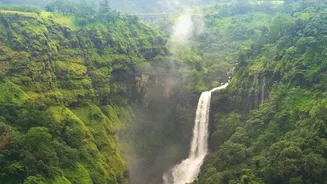
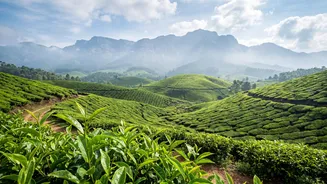
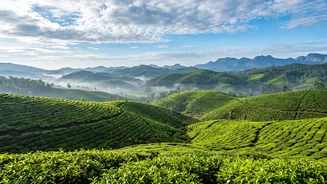
September in Rajasthan is a transitional month, offering a sweet spot for visitors. The harsh heat of summer has passed, and the monsoon's departure leaves behind a surprisingly green landscape, especially in the Aravalli hills surrounding Udaipur and Kumbhalgarh.
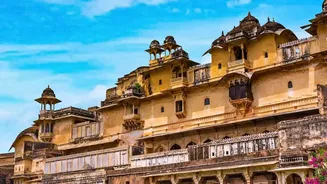
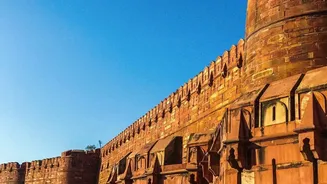
With rainfall predicted to be lower than average, exploring the state’s magnificent forts, palaces, and vibrant bazaars becomes far more pleasant. Destinations like Jaipur and Udaipur see their lakes full and their gardens lush, but without the persistent downpours that can disrupt sightseeing. This shoulder season also means fewer tourists and better deals on hotels, allowing for a more relaxed experience of iconic sites like Udaipur’s City Palace or Jaipur's Amber Fort. Temperatures are comfortable, typically ranging from 28°C to 35°C during the day, making it ideal for cultural exploration before the peak winter crowds arrive.
Spiti Valley: Clear Skies and Autumn Hues
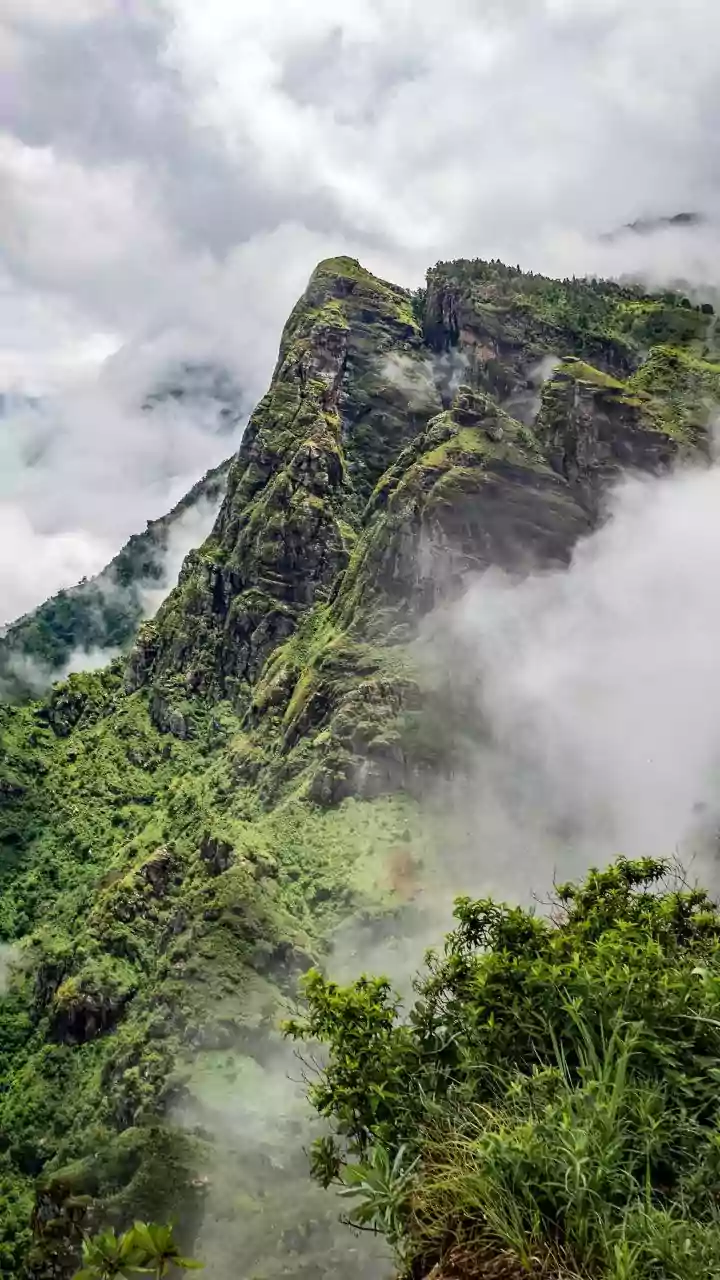
For those seeking dramatic mountain landscapes, September is arguably the best time to visit Spiti Valley in Himachal Pradesh. Located in a rain-shadow region, Spiti receives very little monsoon rainfall, and by September, the weather is typically dry with clear, sunny skies. This makes the treacherous roads, including the Manali-Kaza highway and Kunzum Pass, more reliable and accessible. The valley begins its transition into autumn, with barley fields turning a stunning shade of gold. Daytime temperatures are crisp and pleasant, perfect for visiting ancient monasteries like Key and Tabo or the high-altitude villages of Komic and Hikkim. The lack of rain and atmospheric haze provides unparalleled visibility for stargazing in the clear night skies, an experience that draws many travellers to this cold desert mountain valley.
Orchha: A Hidden Gem on the Betwa
Often overlooked, the historical town of Orchha in Madhya Pradesh is a fantastic choice for a September trip, particularly with the prospect of less rain. While the monsoon brings a refreshing greenness to the landscape, heavy showers can make exploration difficult. A drier September would provide the perfect balance: the Betwa River will still be full, enhancing the beauty of the town's famous chhatris (cenotaphs) lining its banks, but the pathways around the magnificent Orchha Fort Complex, Jahangir Mahal, and Raja Ram Temple would be more accessible. The weather remains warm, with average highs around 32°C, but the humidity starts to decrease. A lull in rainfall means you can comfortably wander through this compact town, soaking in its tranquil atmosphere and architectural grandeur without the peak season crowds that arrive in winter.
Hampi: Ruins Among Green Boulders
Hampi during the monsoon is a transformative experience, as the iconic boulder-strewn landscape turns a lush, mossy green. However, heavy rains can make the sprawling UNESCO World Heritage site difficult to navigate, with muddy paths and some areas becoming inaccessible. A below-normal rainfall in September presents an ideal compromise. You would still witness the stunning contrast of rain-washed ancient ruins against vibrant green paddy fields and a full-flowing Tungabhadra River, but with more comfortable conditions for exploration. The cooler, overcast weather is far more pleasant for walking or cycling through the ruins than the scorching heat of the dry season. Fewer tourists also mean a more intimate and peaceful encounter with historic sites like the Virupaksha Temple and Vittala Temple.