





A Green Shift in Urban Living
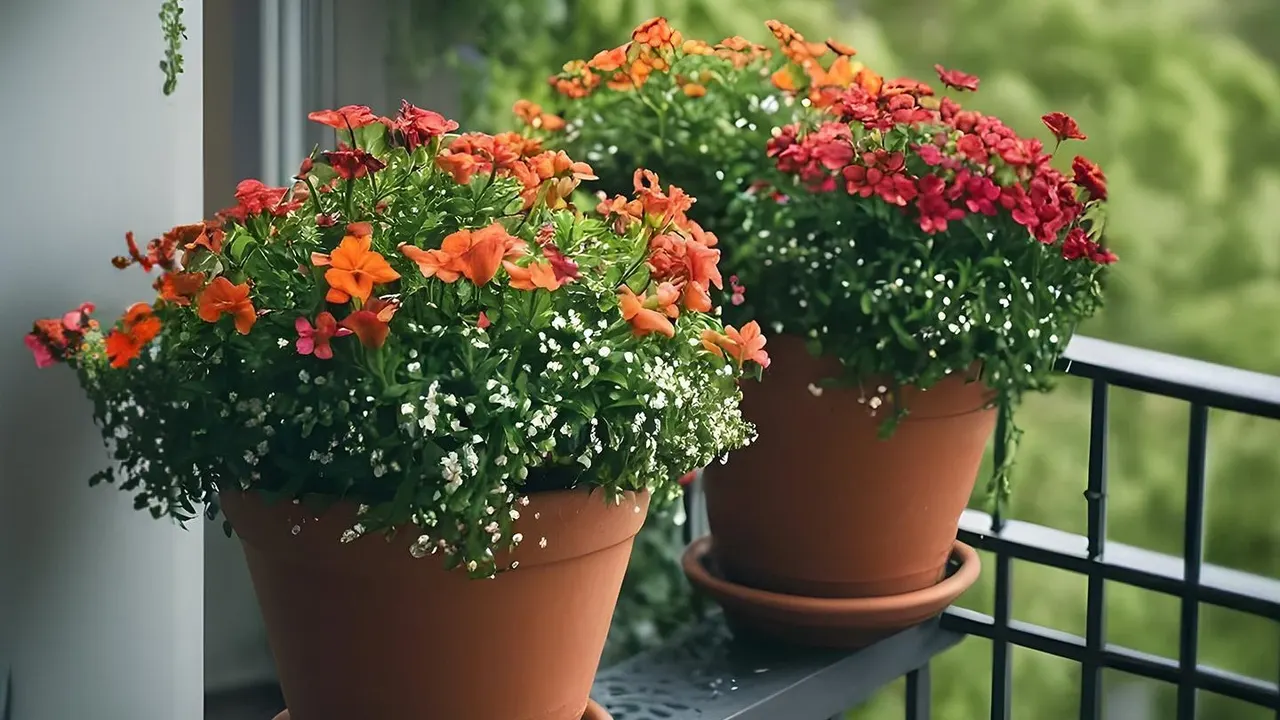
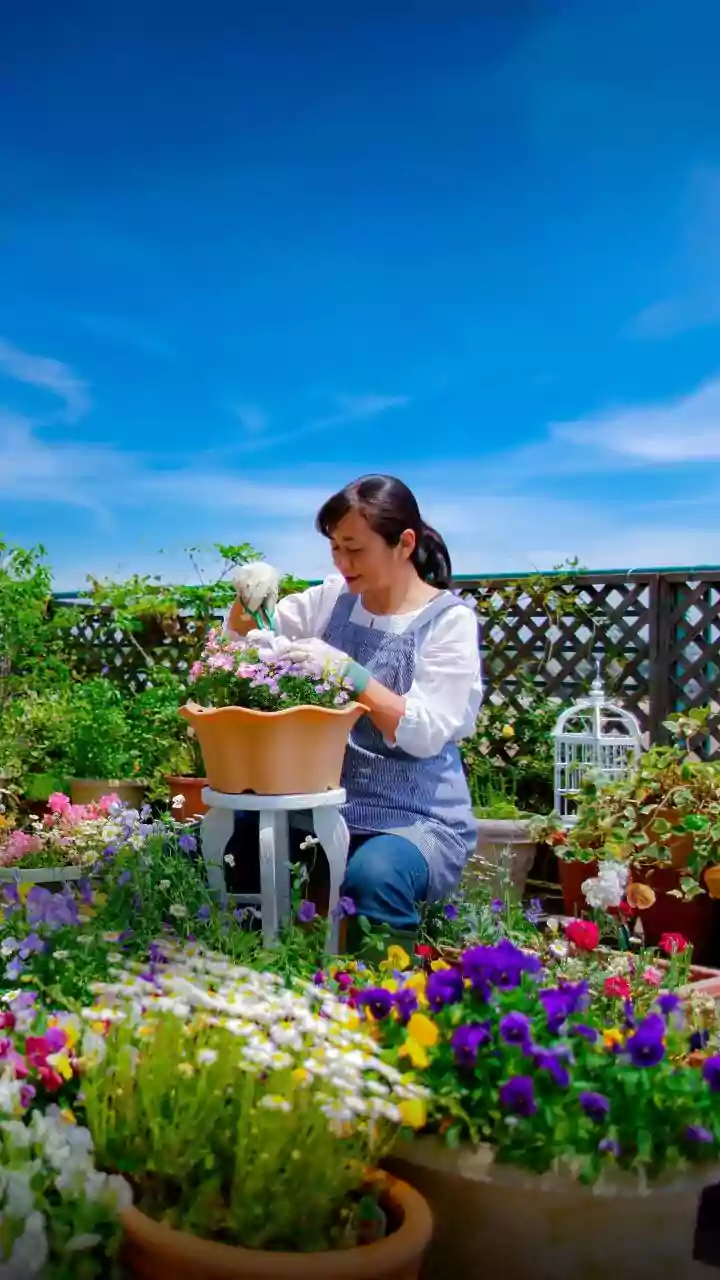
In cities like Bengaluru, Mumbai, and Pune, the urban gardening movement has become mainstream. Balconies once used for storage are now transforming into lush, green retreats. This trend, accelerated by the pandemic, is driven by a desire for a closer
connection to nature, healthier food, and a more sustainable lifestyle. For many apartment dwellers, a kitchen herb garden is the perfect entry point. It requires minimal space and offers immediate, tangible rewards: fresh, flavourful, and pesticide-free ingredients right at their fingertips.
From Windowsill to Plate
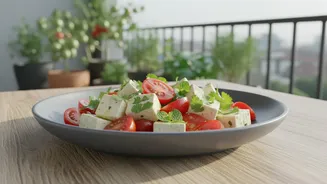
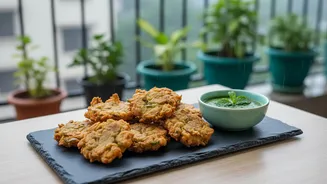
The appeal of a kitchen herb garden lies in its direct link to the Indian kitchen. Imagine snipping fresh coriander for a garnish, plucking mint leaves for a chutney, or adding homegrown curry leaves to a dal. These aren't exotic ingredients; they are the staples of daily cooking. Growing them at home ensures a constant supply, free from market impurities and the worry of pesticide residues. Enthusiasts report that even a small collection of pots can significantly cut down on weekly grocery bills while dramatically improving the flavour and fragrance of home-cooked meals.
The Go-To Herbs for Indian Apartments
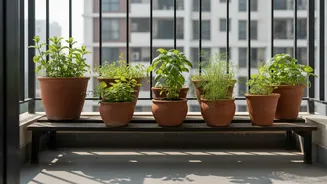
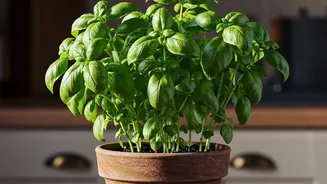
Getting started is simpler than many think. The most popular herbs are also some of the easiest to grow in India's climate. Tulsi (Holy Basil) is a low-maintenance and aromatic choice for any home. Mint is famously vigorous, often growing quickly from just a cutting. Coriander, curry leaf, and lemongrass are other forgiving options for beginners. Even Mediterranean herbs like basil, oregano, and thyme can thrive on a sunny Indian balcony with well-drained soil. Most herbs require just four to six hours of sunlight, making a west or south-facing windowsill an ideal spot.
More Than Just a Hobby
Beyond the culinary benefits, tending to plants offers a powerful antidote to the stresses of city life. Psychologists note that gardening can reduce stress, provide a sense of purpose, and improve focus. This green hobby is also fostering a new kind of social connection. In many apartment complexes, shared terrace gardens are bringing neighbours together. These initiatives turn underused common areas into productive spaces where families share tools, knowledge, and harvests. Simple acts like exchanging seeds or sharing a cutting from a mature plant can build lasting bonds within a community.
Creative Solutions for Small Spaces
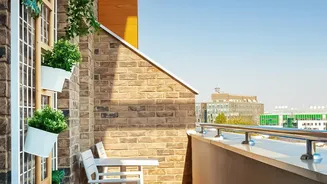
Apartment gardening thrives on creativity. Where floor space is limited, residents are looking upwards. Vertical gardens, wall-mounted planters, tiered shelves, and railing planters are popular solutions for maximising small balconies. Even a narrow windowsill can host a productive row of herbs in recycled jars or small pots. The focus is on smart design rather than expensive equipment. A successful herb garden depends more on the basics—sunlight, good soil, and proper watering—than on fancy gadgets.