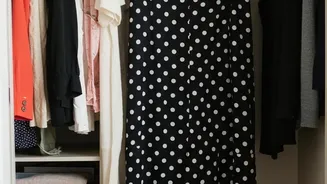







Harness the Power of Charcoal
Activated charcoal is a superstar when it comes to absorbing moisture and odours. Its porous structure traps dampness and the volatile organic compounds that cause that classic musty smell. Unlike air fresheners that just mask scents, charcoal actually
purifies the air inside your closet. To use it, place charcoal briquettes or activated charcoal in breathable fabric pouches or a container with holes. Position these pouches in the corners of your wardrobe, where humidity tends to gather. You can start with about 150–300 grams for a standard wardrobe. It’s a low-cost, effective, and chemical-free way to maintain a fresh-smelling space for your clothes.
Utilise Dried Neem Leaves
Dried neem leaves are an age-old Indian remedy for protecting stored items, and for good reason. Neem possesses powerful anti-fungal properties that help prevent the growth of mould and mildew, which thrive in the damp conditions of the monsoon. Simply place a handful of dried neem leaves in the corners of your wardrobe or tuck them between stacks of clothes. This traditional trick not only helps in keeping microbes at bay but also works as a natural insect repellent, ensuring your clothes remain crisp, fresh, and protected throughout the rainy season.
Bring in Camphor and Naphthalene Balls
Camphor is another multi-purpose hero for the monsoon wardrobe. It is known for its ability to absorb moisture, repel insects, and leave behind a clean, refreshing fragrance. Placing a few camphor balls in a small muslin bag inside your closet can effectively fight musty odours and prevent fungus. Similarly, naphthalene balls are effective at warding off insects and thwarting the growth of microbes that can damage clothes. Just tuck a few balls between your garments to keep them safe from pests and dampness-related damage.
Try the Salt or Rice Trick
Common kitchen staples like rock salt and uncooked rice are excellent natural dehumidifiers. Both are hygroscopic, meaning they absorb excess moisture from the air. You can fill a bowl with rock salt or uncooked rice and place it inside your wardrobe. To prevent spills, you can also put the salt or rice into small, breathable fabric pouches. As it absorbs moisture, the salt will begin to clump together, while the rice will simply trap the water molecules. This simple hack is incredibly effective for small, enclosed spaces and needs to be replaced every few weeks.
Let the Sunshine In
Never underestimate the power of sunlight. On the rare sunny days during the monsoon, make it a point to open your wardrobe doors and let the sunlight and fresh air in. Sunlight is a natural disinfectant, and its UV rays can help kill mould spores and bacteria. Good ventilation is your first line of defence against fungal growth. Airing out your clothes and the wardrobe itself helps to remove trapped moisture and eliminate any lingering musty smells, keeping the internal environment dry and inhospitable for mould.
Don't Overstuff Your Wardrobe
One of the simplest yet most overlooked solutions is to avoid overcrowding your wardrobe. When clothes are packed too tightly, it restricts air circulation, creating pockets of stagnant, humid air that are perfect for mould to grow. Ensure there is enough space between your clothes for air to move freely. Regularly decluttering your closet and storing away items you don't plan to wear during the season can make a significant difference. Better airflow means less trapped moisture and a fresher wardrobe overall.