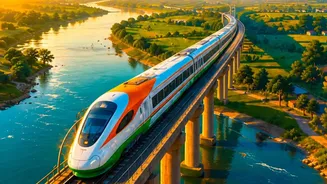





The First Milestone on a Long Journey
The operational launch of the Surat-Vapi section is poised to be a landmark moment for the nation's infrastructure. This initial phase is part of the larger 508-kilometre Mumbai-Ahmedabad High-Speed Rail (MAHSR) project. While the full corridor connecting
Gujarat's commercial hub with India's financial capital is a massive undertaking, officials have confirmed that the project will be commissioned in phases. The focus is on getting the Gujarat portion operational first, where land acquisition and construction have progressed more rapidly. Recent updates from Railway Minister Ashwini Vaishnaw confirm that passenger services on the Surat-Vapi stretch are targeted for the last quarter of 2027, making it the first time Indians will experience bullet train travel on home soil.
Behind the 2027 Target
Significant progress has already been made to meet this deadline. A crucial step was achieved on November 20, 2026, when the overhead electrical equipment was successfully 'energised' on the 50-kilometre stretch between Surat and Bilimora, a key segment of the Surat-Vapi route. This means the power systems are now live, paving the way for further testing. According to officials, signalling work on this section is expected to be completed by January 2027. Following this, trial runs are anticipated to begin around May 2027, which will be critical for testing the tracks, signalling, and rolling stock before commercial operations can be greenlit.
Technology and Speed
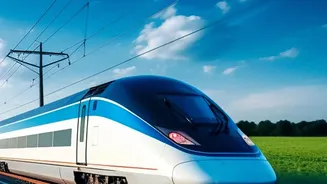
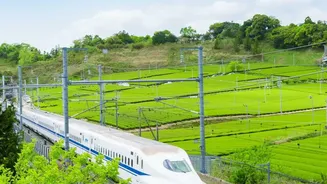
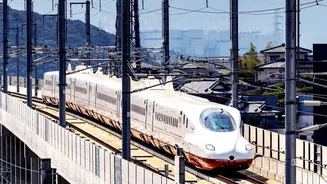
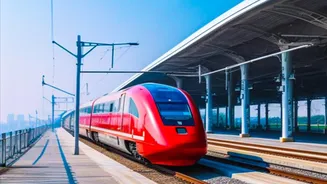
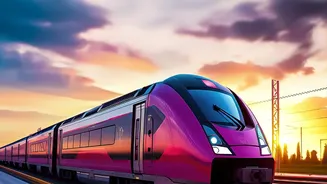
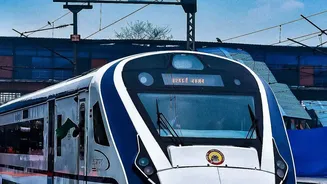
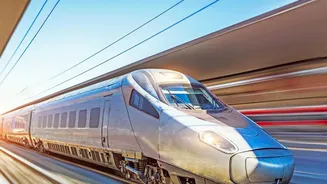
The project is being developed with technical and financial cooperation from Japan, utilising its world-renowned Shinkansen technology. The corridor is designed for trains to operate at a speed of 320 km/h. However, the initial runs will feature an indigenously developed B28 trainset, manufactured jointly by Integral Coach Factory (ICF) and Bharat Earth Movers Limited (BEML). This Indian-made train is designed to operate at speeds up to 280 km/h and has already undergone successful pressure tests to ensure its structural integrity at high speeds. This focus on domestic manufacturing is a key part of the project, with a more advanced B35 trainset, capable of 350 km/h, planned for future development.
The Bigger Picture: Connecting India
The entire 508-km MAHSR corridor will feature 12 stations across Gujarat, Maharashtra, and Dadra and Nagar Haveli. The project has faced significant delays, with the original 2022 deadline being missed due to challenges with land acquisition, particularly in Maharashtra, and the COVID-19 pandemic. However, construction is now in full swing across the corridor. As of September 2026, substantial progress was reported, with 371 kilometres of viaduct and civil works at eight stations completed. Work is also progressing on the challenging 21-km tunnel in Maharashtra, which includes a 7-km undersea section, a first for India. While the Surat-Vapi service is slated for 2027, the line is expected to extend to Thane by 2029, bringing the high-speed connection closer to Mumbai.