


Why This Project is Perfect
Before you toss that empty jam jar into the recycling bin, pause and reconsider. Upcycling glass vessels to propagate money plants is more than just a DIY project; it's a statement in sustainable living. It's a simple, incredibly affordable way to introduce
lush greenery into your home. The money plant, or Pothos, is famously resilient, making it the perfect starting point for beginner plant parents. Not only does this activity reduce waste, but it also results in beautiful, living decor that grows with you. Many also believe the plant brings good fortune and positive energy, making this a truly rewarding endeavour for your home and spirit.
Select Your Glass Canvas
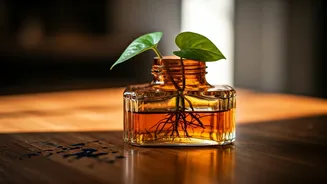
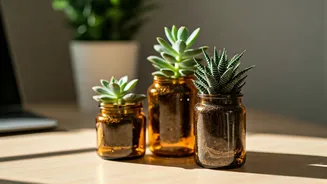
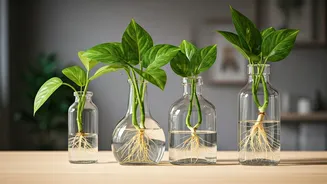
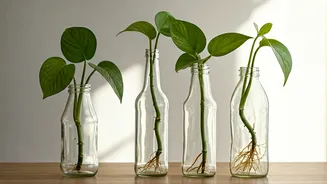
Almost any empty glass container can become a propagation station. The beauty lies in the variety. Small, clear perfume bottles can hold a single, delicate cutting, creating a minimalist accent for your desk. Larger pickle or pasta sauce jars can host multiple cuttings, forming a lush bouquet. Don’t shy away from coloured glass; amber or green bottles add a rustic, vintage charm. Even uniquely shaped liquor bottles or old-fashioned milk jugs can be repurposed. The only requirement is that the opening is wide enough to insert the plant cutting and the vessel can hold water. For the most elegant look, choose clear glass so you can watch the delicate white roots sprout and grow, adding a scientific curiosity to the aesthetic appeal.
Meet the Money Plant
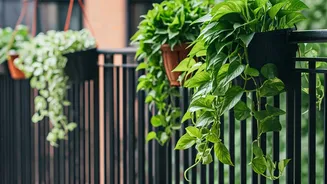
The star of our show is the humble money plant (*Epipremnum aureum*), also known as Pothos or Devil's Ivy. This trailing vine is a favourite in Indian households for good reason. It’s exceptionally low-maintenance, thriving in a variety of light conditions and forgiving the occasional missed watering. It's also a powerful air purifier, known to filter common indoor pollutants. Its heart-shaped leaves, often variegated with splashes of yellow or white, create a vibrant cascade of green. You don't even need to buy one; a single cutting is all you need to start your own plant dynasty. Simply ask a friend or neighbour for a small snippet from their healthy, mature plant.
The Perfect Cut: A Step-by-Step Guide
Propagation starts with a good cutting. Using a clean, sharp pair of scissors or a knife, select a healthy vine from the mother plant. Look for a stem that is at least 6-8 inches long and has several leaves. The most important part to identify is the 'node'—a small, brown, woody bump on the stem where a leaf meets it. This is where new roots will emerge. Make your cut about half an inch below a node. Once you have your cutting, gently remove the bottom one or two leaves, ensuring that at least two nodes are bare and ready to be submerged in water. Leaving a few leaves at the top is crucial, as they will provide the energy for root growth.
Placing Your Plant in Water
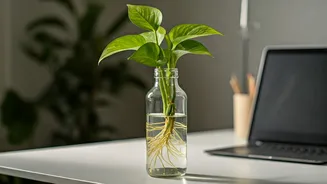
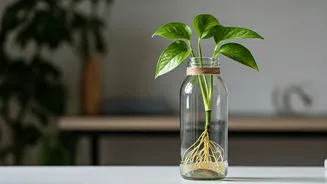
Now, take your prepared glass vessel and fill it with room-temperature water. Tap water is generally fine, but if your water is heavily chlorinated, let it sit out for 24 hours before use. Gently place your money plant cutting into the vessel. Ensure that the bare nodes you exposed are fully submerged in the water, but try to keep the remaining leaves out of the water to prevent them from rotting. That's it! Your propagation station is now active. The clear glass will allow you to monitor progress and enjoy the fascinating process of new life taking root.
Nurturing New Roots
Find a suitable spot for your new creation. Money plants prefer bright, indirect sunlight. A spot near a window but not directly in the sun's harsh rays is ideal. Too much direct sun can scorch the leaves, while too little light will slow down growth. The most important part of care is maintaining the water. To prevent bacterial growth and provide oxygen to the developing roots, change the water every 5 to 7 days. Within a couple of weeks, you should start to see thin, white roots emerging from the nodes. In a month or two, you’ll have a robust root system, and your plant will begin to produce new leaves.
Creating an Elegant Display
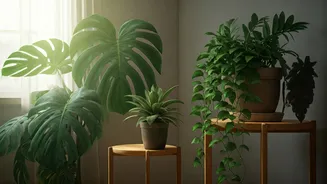
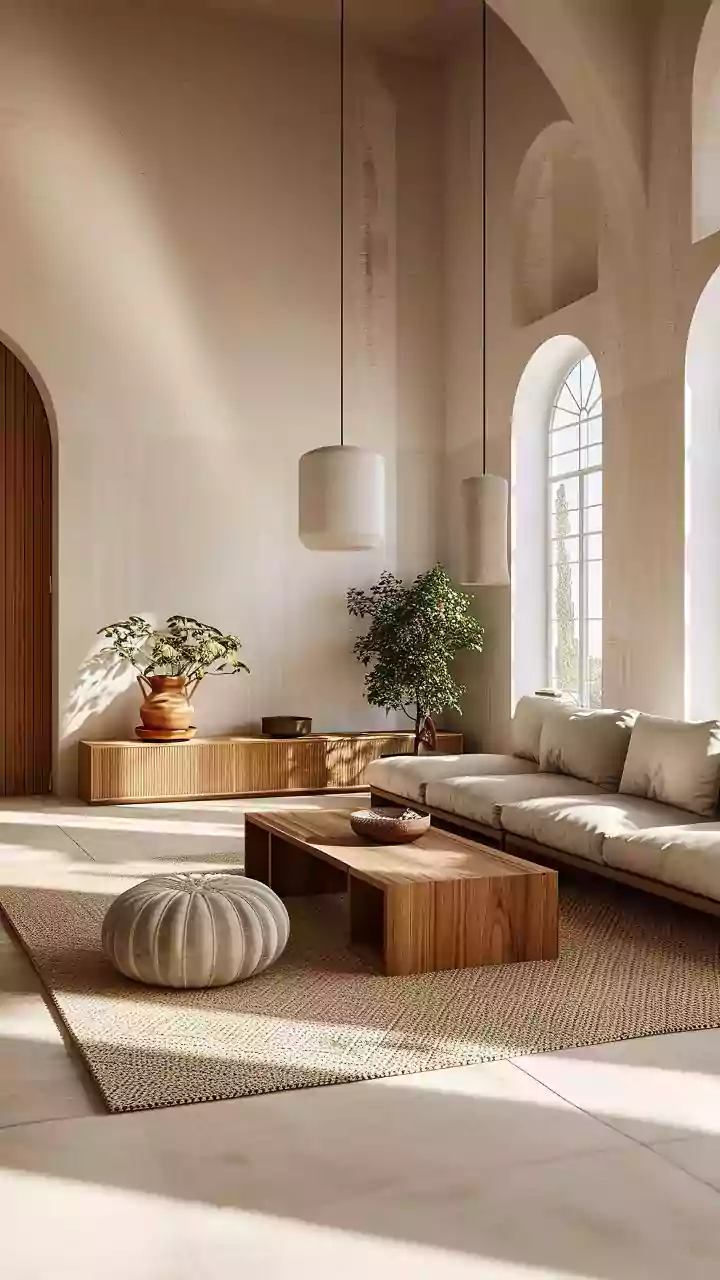
Once you have one, you’ll want more. The real elegance comes from how you style your collection. Group vessels of different heights and shapes on a bookshelf or mantelpiece to create a dynamic green display. A row of identical small bottles, each with a single cutting, can make a stunning, minimalist centrepiece for your dining table. Let longer vines trail down from a high shelf or a hanging macrame holder. Mix and match your propagated money plants with other decorative objects like books, candles, or ceramic pieces to create a personalised vignette that reflects your style. This is your chance to play curator with your own living art.