



The Science of Rainy Day Cravings
There's a scientific reason behind our desire for indulgent foods during the monsoon. Reduced exposure to sunlight can lead to a dip in serotonin, the body's 'feel-good' hormone. [15, 16, 20, 21, 23] This drop can trigger cravings for carbohydrates and
fatty foods, as they help boost serotonin levels and provide a sense of comfort and pleasure. [15, 21] The cooler temperatures also make us naturally seek out warm foods. [15, 23] So, when you find yourself yearning for a hot, sweet treat, you can blame it on the rain and embrace the feeling.
Hot Jalebi: The Ultimate Monsoon Sweet
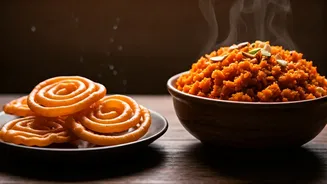
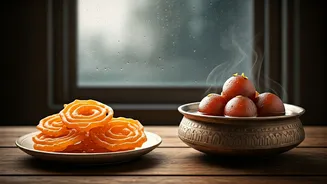
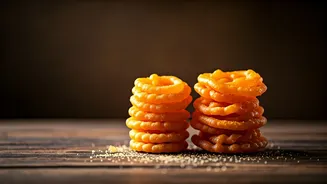
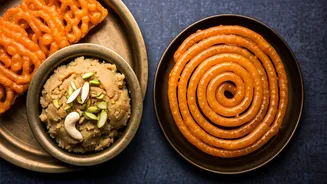
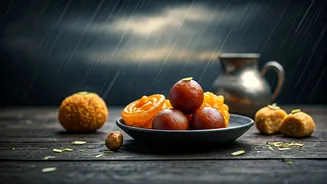
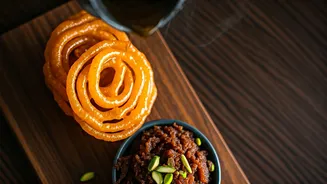
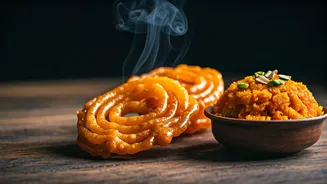
There’s arguably no sweet more synonymous with rainy days than hot, crispy jalebi. [2, 4, 5] These bright, coil-shaped delights are made from a fermented batter that is deep-fried and then immediately soaked in a warm sugar syrup. [4] The result is a perfect contrast of a crunchy exterior giving way to a chewy, syrup-filled center. The warmth of a fresh jalebi provides instant comfort on a cool, damp evening, making it a beloved treat across the country. [4, 28] It's often enjoyed on its own or paired with creamy rabri for an even more indulgent experience. [2]
Gajar ka Halwa: A Warm Embrace in a Bowl
Though often associated with winter, Gajar ka Halwa is a quintessential comfort dessert that finds its place in the monsoon season as well. [5] Made from grated carrots slow-cooked in milk, ghee, and sugar, this rich pudding is a wholesome and heartwarming indulgence. [26, 27, 30] The slow cooking process allows the carrots to absorb all the milky goodness, resulting in a melt-in-your-mouth texture. Garnished with nuts like almonds and cashews and spiced with cardamom, a warm bowl of Gajar ka Halwa feels like a warm embrace on a dreary, rainy day. [27, 33]
Gulab Jamun: The All-Time Comfort Classic
Gulab Jamun is a timeless Indian sweet that reigns supreme as a comfort food. [3, 18] These soft, spongy balls are traditionally made from khoya (milk solids), deep-fried to a golden-brown perfection, and then soaked in a fragrant sugar syrup, often scented with rose water or cardamom. [3, 7, 24] Served warm, they are heavenly, especially during the rainy season. [7] Each bite is a burst of sweetness and warmth that can elevate anyone's mood on a gloomy day, solidifying its status as a crowd favourite for all occasions. [3]
Malpua with Rabri: A Decadent Duo
Malpua is another monsoon favourite, often described as a sweet, fluffy Indian pancake. [1, 2, 37] The batter, typically made from flour, milk, and sometimes mashed bananas, is fried until the edges are crisp and the center is soft. [1, 7] These pancakes are then dipped in sugar syrup. [2] While delicious on their own, they reach another level of decadence when served with a generous topping of chilled rabri—a thickened, sweetened milk. [2] This classic North Indian combination offers a delightful play of warm and cool temperatures, along with soft and creamy textures.
Moong Dal Halwa: A Rich & Earthy Delight
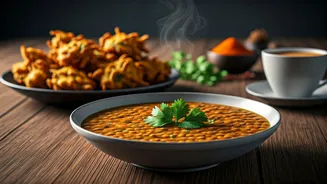
For those who appreciate a truly rich and decadent dessert, Moong Dal Halwa is an unparalleled choice. [5] This classic Rajasthani sweet is made from ground yellow moong dal (split and husked mung beans), which is painstakingly slow-cooked in a generous amount of ghee until it turns golden and aromatic. [12, 17] It’s then sweetened with sugar and cooked with milk until it reaches a melt-in-the-mouth consistency. [12, 13] The nutty aroma and the sheer richness of this halwa make it a royal treat, perfect for providing warmth and satisfaction on a cold, rainy day. [5]
Ghevar: The Honeycomb Sweet of the Season
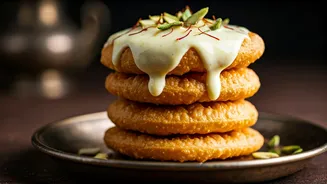
Ghevar is a special Rajasthani sweet intrinsically linked with the monsoon season, particularly with the festivals of Teej and Raksha Bandhan that fall during this time. [2, 6, 7] This disc-shaped dessert has a unique, honeycomb-like texture achieved by deep-frying a flour batter in ghee. [9, 10] It is then soaked in sugar syrup. [8] The required humidity in the air during the monsoon is said to be ideal for achieving its perfect spongy and crisp texture. [11] Ghevar can be enjoyed plain or, more popularly, topped with rabri, malai, or nuts, making it a festive and symbolic treat for the season. [6, 8, 9]