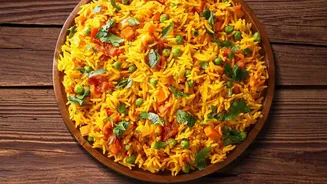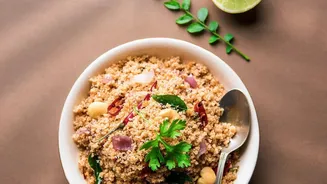


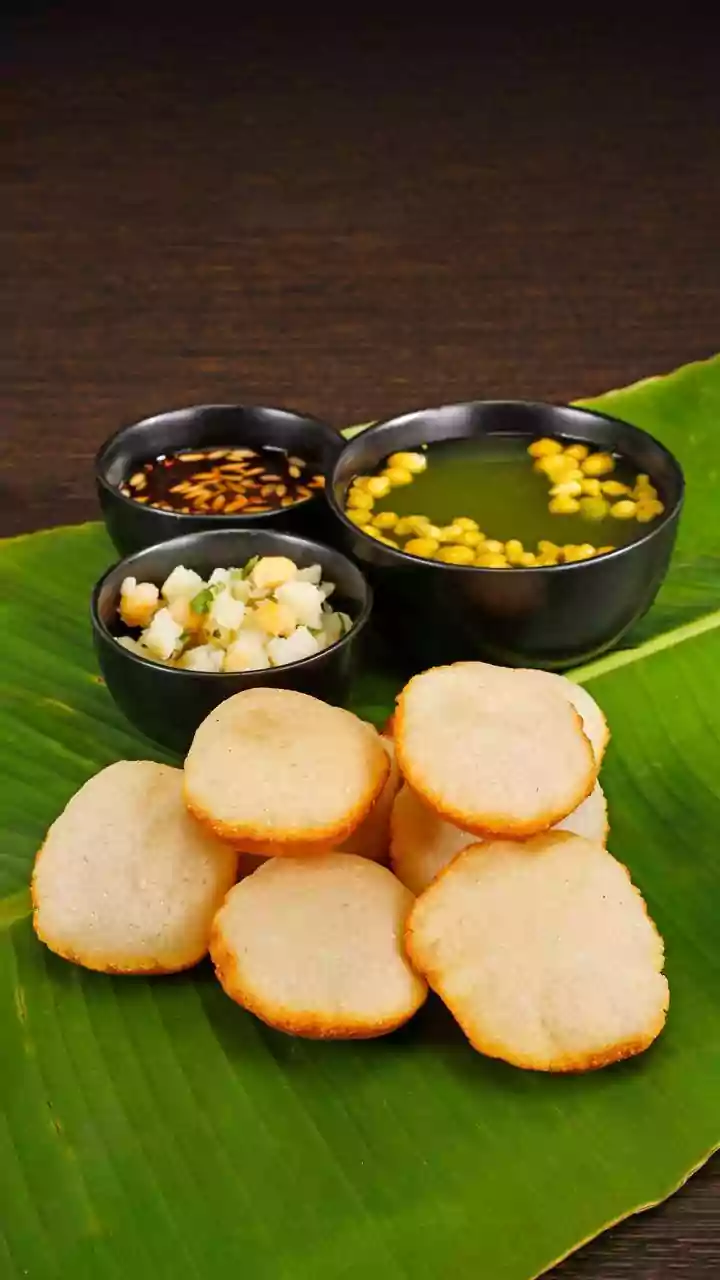
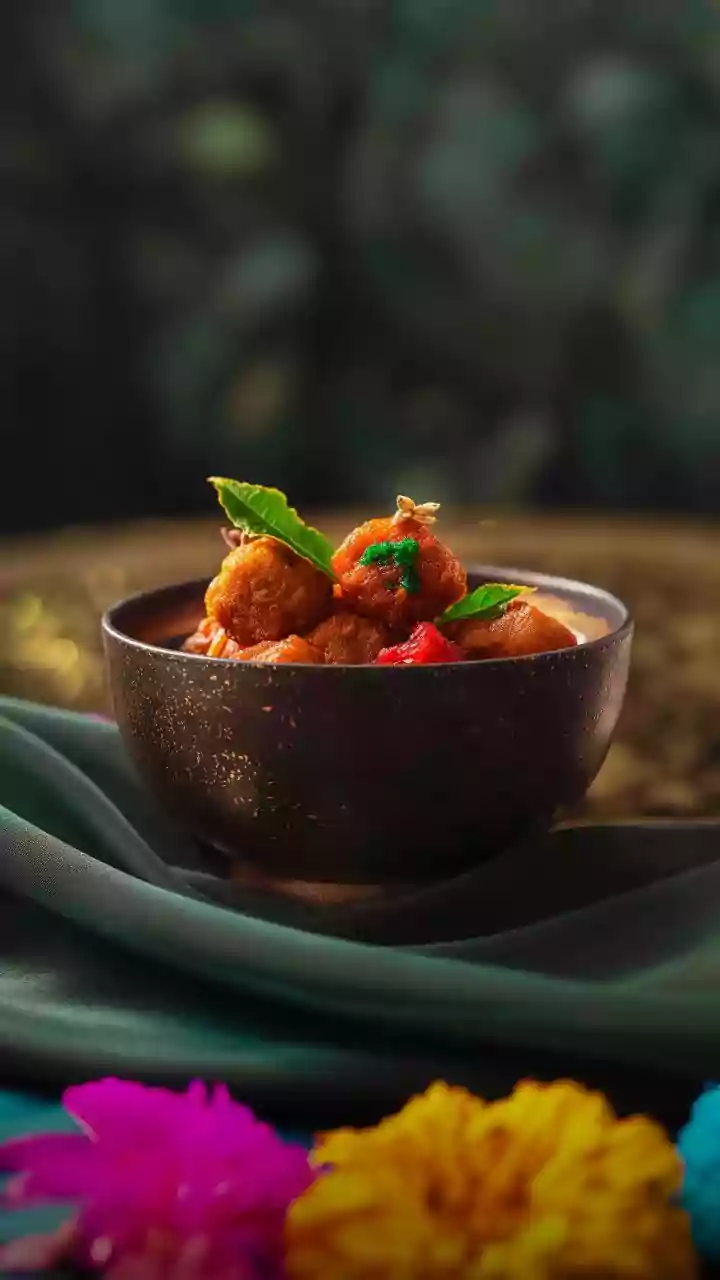
In India, rice is more than just a staple; it's a canvas. Across the country, different cultures paint this canvas with the flavours of their land, creating dishes that tell a story of geography, climate, and incredible culinary ingenuity.
Karnataka’s Bisi Bele Bath: A Complex Medley
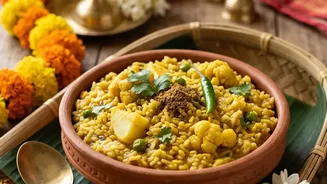
Meaning 'hot
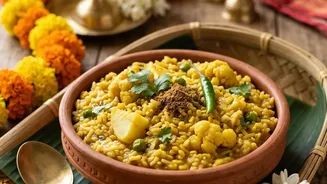
lentil rice' in Kannada, Bisi Bele Bath is a testament to Karnataka's love for complex flavour profiles. This one-pot meal is a thick, porridge-like blend of rice, lentils, and a mix of seasonal vegetables. The magic, however, lies in the Bisi Bele Bath powder, a freshly ground masala that is both aromatic and spicy. This blend often features coriander seeds, chana dal, urad dal, cinnamon, cloves, and, crucially, Marathi Moggu (kapok buds), which imparts a unique, smoky flavour. The dish is finished with tamarind for sourness, a hint of jaggery for balance, and a generous dollop of ghee, creating a rich, multi-layered experience in every spoonful.
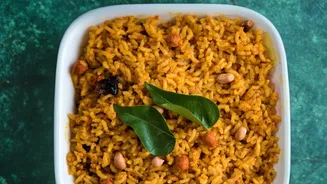
Tamil Nadu’s Puliyodarai: The Tangy Temple Classic
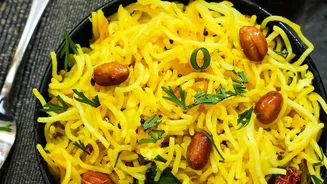
Famous as a 'temple prasadam', Puliyodharai, or tamarind rice, is a masterclass in balancing sour, spicy, and savoury notes. The star ingredient is, of course, tamarind, whose distinct sourness forms the base of the flavour paste known as 'pulikachal'. This paste is cooked in gingelly (sesame) oil, which adds a nutty, deep aroma. The complexity is built with a tempering of mustard seeds, chana dal, urad dal, and peanuts for crunch. A special roasted powder, often made with coriander seeds, fenugreek, and red chillies, is mixed in, lending the dish its characteristic spicy undertone and unforgettable aroma.
Maharashtra’s Masale Bhat: Earthy and Aromatic
From the heart of Maharashtra comes Masale Bhat, a fragrant rice dish that showcases the region's unique spice blends. The soul of this dish is Goda Masala, a special Maharashtrian spice mix that is subtly sweet and aromatic rather than overtly pungent. This masala typically includes ingredients like dried coconut, sesame seeds, and 'dagad phool' (stone flower), which gives it a distinct earthy fragrance. The rice is often cooked with local vegetables like brinjals (eggplant) or tendli (ivy gourd), which absorb the flavours beautifully. Garnished with fresh coconut and coriander, Masale Bhat is a comforting dish that truly represents the flavours of its homeland.
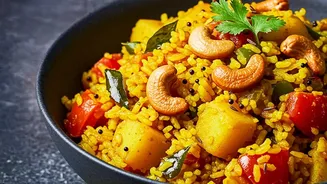
Bengal’s Mishti Pulao: A Fragrant Sweetness
In Bengal, where a hint of sweetness is often welcomed in savoury dishes, Mishti Pulao (or Basanti Pulao) is a festive favourite. This bright yellow rice dish gets its colour from either a pinch of turmeric or precious saffron. It is typically made with Gobindobhog rice, a short-grained, aromatic local variety that is central to Bengali cuisine. The flavour profile is a delicate balance of sweet and savoury. Sugar provides a mild sweetness, which is complemented by the rich aroma of ghee and whole spices like cinnamon, cardamom, and cloves. Fried cashews and plump raisins are stirred in, adding texture and further enhancing the dish's celebratory character.
Kashmir’s Pulao: A Mild and Fruity Jewel
Reflecting the beauty and bounty of its 'paradise on Earth' home, Kashmiri Pulao is a visual and culinary delight. Unlike spicier rice dishes, this pulao is known for its mild, sweet, and fragrant character. The rice is cooked in milk and scented with saffron, which grows locally and imparts a beautiful golden hue and delicate flavour. The warmth comes from whole spices like cinnamon and cardamom. What truly sets it apart is the generous use of local nuts like walnuts and almonds, along with fresh fruits such as apples and pomegranate seeds, which stud the rice like jewels and add bursts of sweetness and texture.