




The End of the Awkward Table for One
For years, dining out alone in the National Capital Region was an experience often coloured by awkwardness. Solo diners were frequently met with quizzical looks or seated at poorly placed tables, making them feel like an anomaly in a landscape built for
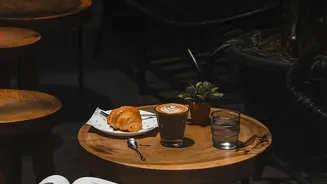
groups and families. However, this is changing rapidly. A cultural shift, driven by a growing population of young professionals, remote workers, and individuals prioritizing self-care, has normalized the act of eating out alone. Dining is no longer reserved solely for social occasions; it has become a form of personal time. This evolution in social habits is particularly visible in NCR's corporate hubs like Gurgaon and Noida, where independent professionals have long made solo dining a casual affair. Now, Delhi's vibrant cafe and restaurant scene is catching up, shedding the old stigma and recognizing that a table for one is a legitimate and growing consumer segment.
Designing for Intentional Solitude
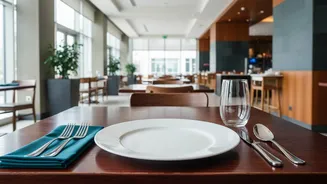
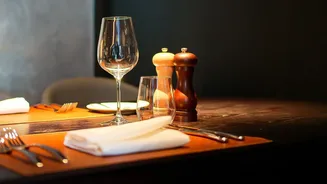
The most significant change is happening in the physical layout of dining spaces. Restaurateurs and designers are moving beyond simply accommodating solo guests to actively designing for them. This involves creating a variety of seating options that make an individual feel comfortable and integrated, rather than isolated. Bar and counter seating, once relegated to just drinks, are now prime spots for a full meal, offering a dynamic view of the kitchen or the bar. Some establishments are creating cosy nooks, single booths, or placing high-top tables against windows, giving diners a view and a sense of connection to the outside world without feeling exposed. Community tables are another popular feature, offering the choice of quiet solitude amidst a communal buzz or the potential for spontaneous interaction. The goal is to make the space feel as welcoming to an individual as it does to a table of four.
More Than Just a Seat
Thoughtful design for solo diners extends beyond the furniture. It's about cultivating an atmosphere where they feel valued. This includes attentive yet non-intrusive service, where staff are trained to understand the guest, not just the table size. The dreaded question, “Are you waiting for someone?” is being replaced by a simple, welcoming greeting. Fine-dining establishments like those in the Taj Palace and Shangri-La Eros in New Delhi are noting an increase in solo patrons, including many women, and are adapting their service accordingly. Beyond service, restaurants are also innovating their menus. Comorin in Gurgaon, for instance, has introduced smaller, tasting-style portions, allowing a single person to sample multiple dishes without over-ordering or over-spending. This thoughtful approach to both menu and service ensures the experience is comfortable from start to finish.
NCR Spots Embracing the Change
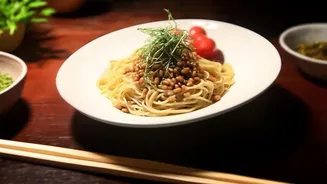
Across Delhi, Gurgaon, and Noida, numerous establishments are leading this change. Cafes like Perch, with its multiple outlets, have become popular for their community-oriented feel, where working or dining alone feels natural. Others, like Café Kona, create a homely atmosphere that feels like eating in a friend's dining room. In Shahpur Jat, Zuru Zuru facilitates solo dining with a communal table and small, individually priced portions of ramen. Meanwhile, some outlets like Tuoi Moi in Safdarjung have gone as far as creating a designated single seat with a view of the entire space, explicitly designed for the solo customer. These spots prove that catering to individuals is not an operational compromise but a forward-thinking business strategy that acknowledges the evolving fabric of urban life.