






A Return to Culinary Roots
For years, the wellness world was dominated by imported trends—quinoa from the Andes, kale smoothies, and exotic berries. While many of these are healthy, a growing number of Indians are looking inward, rediscovering the nutritional powerhouses in their
own kitchens. This shift isn't just about nostalgia; it's a conscious choice to embrace local, seasonal, and sustainable eating. Health-conscious consumers are realizing that traditional Indian diets, honed over centuries, were inherently designed for our bodies and climate. This movement is about rejecting the idea that healthy eating must be foreign and expensive, and instead finding wisdom in what our grandparents always knew.
The Mighty Millet Revolution
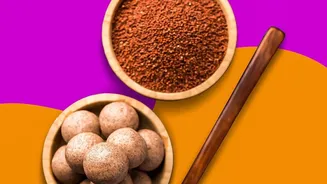
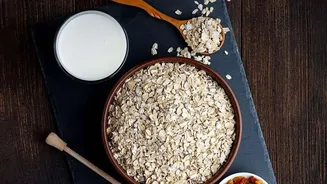
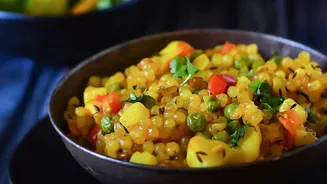
Perhaps no food group better represents this trend than millets. Grains like ragi (finger millet), jowar (sorghum), and bajra (pearl millet) are making a major comeback. Once dismissed as rural fare, they are now celebrated for their impressive health credentials. Millets are gluten-free, rich in fibre, and packed with essential minerals. Ragi is a calcium powerhouse, crucial for bone health. Bajra is loaded with iron, helping combat fatigue, while jowar is noted for its role in managing cholesterol. Their high fibre content ensures slow digestion, which helps regulate blood sugar levels and promotes a feeling of fullness, aiding in weight management. As people move away from refined grains, millets offer a nutrient-dense and versatile alternative.
The Ghee Glow-Up
For decades, ghee was unfairly villainized, blamed for high cholesterol and heart issues. Today, this golden clarified butter is being rehabilitated by science and nutritionists alike. Ghee is a source of healthy fats, including heart-healthy omega-3s and conjugated linoleic acid (CLA), which some studies suggest may aid in weight management. It is also rich in fat-soluble vitamins like A, D, E, and K. Cooking with ghee can even help the body absorb more nutrients from vegetables. Furthermore, the process of making ghee removes most lactose and casein, making it a suitable fat source for many who are sensitive to dairy. Ayurveda has long used ghee for its anti-inflammatory properties, a claim supported by the presence of butyrate, a short-chain fatty acid that is beneficial for gut health.
The Gut-Friendly Magic of Fermentation
The focus on gut health has put a spotlight on India's rich tradition of fermented foods. Everyday staples like dahi (curd), idli, dosa, and dhokla are now recognized as powerful natural probiotics. The fermentation process not only makes these foods easier to digest but also enriches them with beneficial bacteria that support a healthy gut microbiome. A balanced gut is linked to better immunity, improved digestion, and even mental well-being. Beyond the common staples, regional fermented foods like kanji (a drink from black carrots) and pakhala (fermented rice) are also gaining recognition for their gut-healing properties, proving that these age-old practices are more relevant than ever.
When Modern Science Validates Ancient Wisdom
Ultimately, the resurgence of traditional Indian foods is fueled by a powerful convergence: modern scientific research is now validating the health benefits that were long part of Ayurvedic and household wisdom. When a nutritionist advises eating ragi for its fibre or dahi for its probiotics, it gives consumers the confidence to embrace these foods. It's a move away from blindly following trends and toward making informed choices rooted in both cultural heritage and scientific evidence. This combination empowers people to believe that the path to long-term health isn't about chasing the next 'superfood' but about mindfully returning to the intelligent, balanced, and time-tested plates of our own culinary past.