


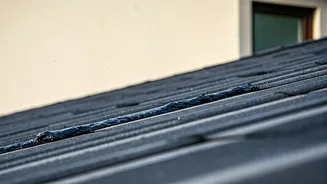


Inspect Your Roof and Terrace
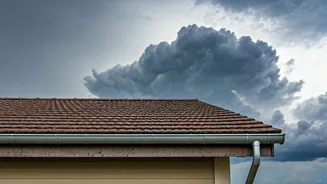
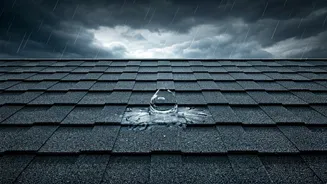
The most common and costly monsoon problem begins right at the top. Your roof and terrace bear the brunt of the downpour. Over time, small cracks can develop in the waterproofing, or tiles can become loose. During a heavy shower, this allows water to seep
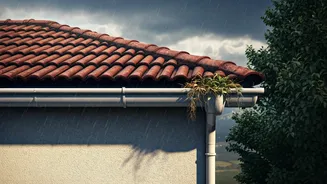
into the concrete slab, leading to persistent leaks, damp patches on your ceiling, and eventually, expensive structural damage that can compromise the building's integrity. **The Simple Fix:** Before the rains set in, do a thorough visual inspection. Look for any visible cracks, peeling waterproofing material, or loose tiles. Clear away any accumulated debris or plant growth, as their roots can create fissures. For minor cracks, you can use a readily available waterproof sealant. For anything more significant, getting a professional to apply a fresh coat of waterproofing is a small investment compared to fixing a damaged ceiling later.
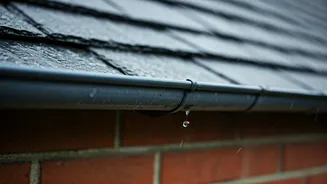
Clear All Drains and Gutters
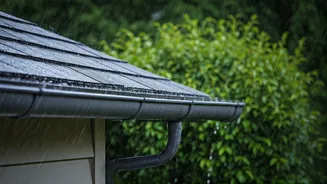
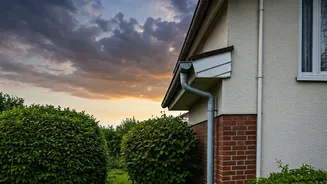
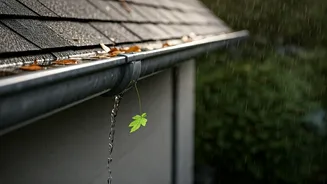
It’s a simple task that’s easy to ignore, but clogged drains and gutters are a primary cause of flooding and water damage. Dried leaves, dust, and plastic waste accumulate over the dry months, creating solid blockages. When the rain arrives, water has nowhere to go. It overflows from the terrace, runs down exterior walls, and can even pool around your home’s foundation. This leads to wall seepage (dampness), mould growth, and in severe cases, can weaken the foundation itself. **The Simple Fix:** Put on a pair of gloves and manually clear out all the debris from your rooftop, balcony drains, and rain gutters. Use a sturdy brush to sweep away any stubborn dirt. After clearing, pour a few buckets of water down them to ensure the path is completely clear. This ten-minute job can save you from having to repaint damp walls or deal with foundational issues.
Seal Cracks in Walls and Windows
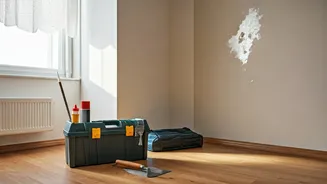
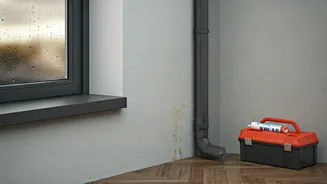
Water is relentless; it will find any entry point. Tiny cracks in your exterior walls or gaps in window and door frames are open invitations for rainwater. Driven by wind, the water seeps into these crevices, causing paint to peel and bubble from the inside. Over time, this constant dampness encourages the growth of unhealthy black mould and can even lead to the plaster crumbling away. Repainting a wall is a hassle, but fixing widespread dampness and mould requires scraping, treating, and re-plastering—a much bigger bill. **The Simple Fix:** Walk around your home and inspect all exterior walls and the seals around your window frames. Use a waterproof silicone sealant or crack filler to close up any gaps you find. It’s an easy-to-use product that creates a flexible, watertight barrier. This small effort keeps moisture out and your interior walls dry and clean.
Check Your Electrical Systems
Water and electricity are a lethal combination. The high humidity and potential for leaks during the monsoon increase the risk of short circuits. Frayed or exposed wiring, especially in outdoor areas like balconies or terraces, is a major hazard. A single drop of water hitting an exposed wire can trip your power, damage expensive appliances, or worse, cause a fire or an electric shock. The cost of rewiring or replacing burnt-out appliances is significant. **The Simple Fix:** Do a visual check for any cracked, frayed, or exposed wires, both inside and outside. Ensure any outdoor power sockets are covered with protective, weatherproof boxes. If you see any potential issues, do not attempt to fix them yourself. The safest and most cost-effective solution is to call a qualified electrician to assess and repair them properly. Also, make sure your main circuit breaker is easily accessible and everyone in the house knows where it is.
Protect Wooden Doors and Furniture
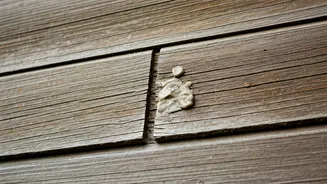
Wood is hygroscopic, meaning it absorbs moisture from the air. During the monsoon, the high humidity causes wooden doors, window frames, and furniture to swell. This is why your doors often get jammed and become difficult to close. Over a prolonged period, this moisture can lead to warping, rot, and fungal growth, permanently damaging your expensive wooden fixtures. Refinishing or replacing a warped door or cabinet is a costly affair. **The Simple Fix:** For doors and windows that tend to stick, you can sand down the edges slightly for a better fit. Applying a fresh coat of varnish or a waterproof sealant on wooden furniture and doors creates a protective barrier against moisture. If possible, move valuable wooden furniture a few inches away from exterior walls that might get damp.