




Why Embrace Humidity-Loving Plants?
In many parts of India, particularly coastal regions and during the rainy season, indoor humidity levels can soar. While this can be a problem for some plants, leading to fungal issues and root rot, it's a blessing for others. Tropical and subtropical
plants are naturally adapted to moisture-rich air. Choosing these varieties means less work for you and healthier, more vibrant plants that feel right at home. They can help purify the air and add a calming, natural element to your living space, making your home feel fresh even on the dampest days.
Peace Lily (Spathiphyllum)
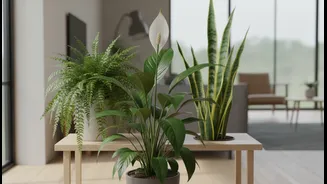
The Peace Lily is an elegant choice, known for its glossy dark leaves and beautiful white blooms. It is particularly well-suited for the humid conditions found in coastal cities like Mumbai and Kochi. This plant is an excellent natural air purifier and has the added benefit of visually telling you when it's thirsty—its leaves will droop slightly. It thrives in medium to low indirect light and prefers consistently moist soil, making it a forgiving and communicative companion for your home.
Snake Plant (Dracaena trifasciata)
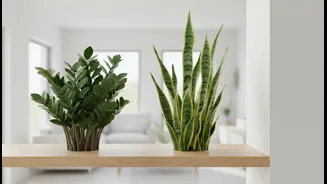
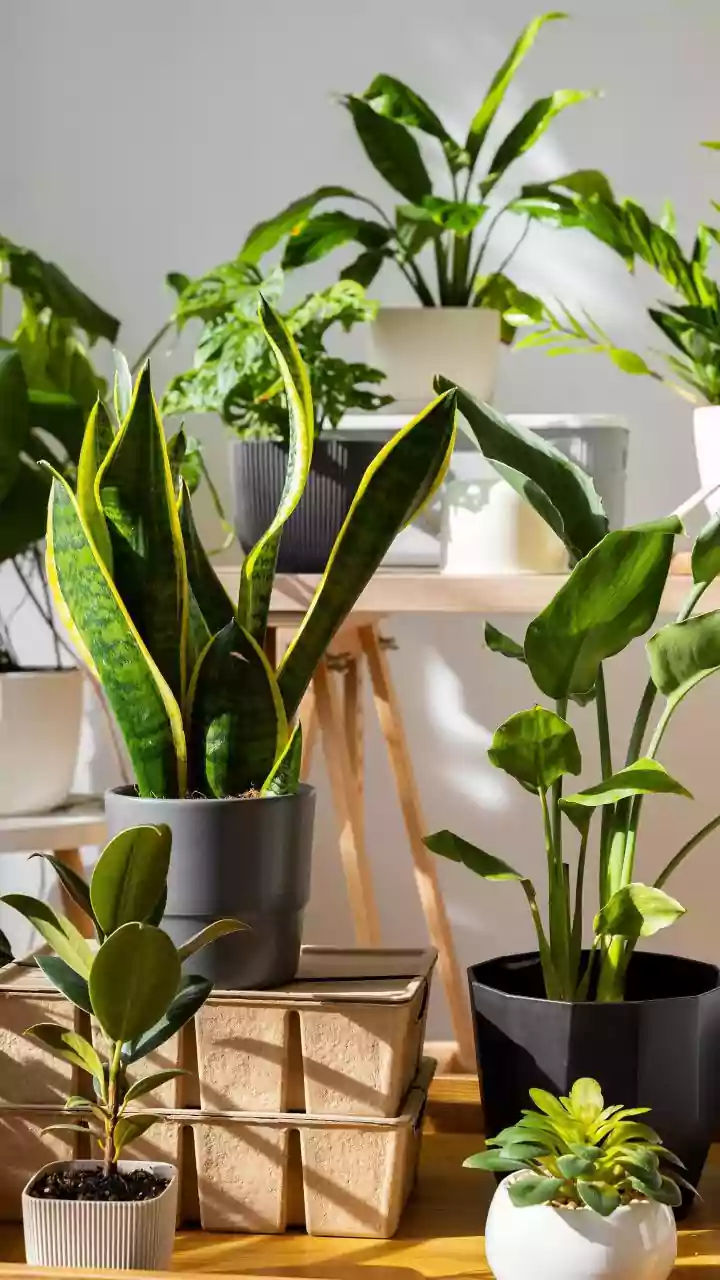
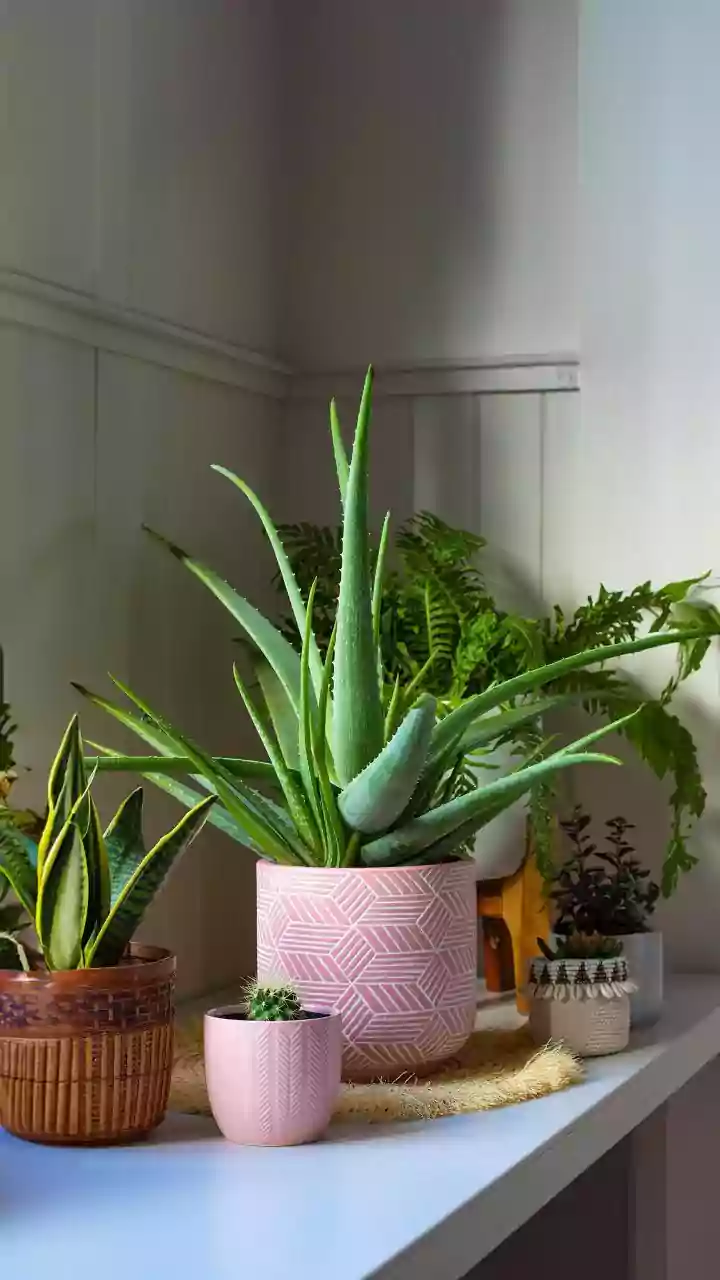
Often called one of the toughest indoor plants, the Snake Plant is a champion of adaptability. While it is famously drought-tolerant, it also handles high humidity with ease, making it perfect for the varied Indian climate. Its upright, architectural leaves add a modern touch to any room. A key benefit is its ability to purify air by converting carbon dioxide to oxygen even at night, making it an excellent choice for bedrooms. It requires infrequent watering and can tolerate low light, thriving on a bit of neglect.
Money Plant (Epipremnum aureum)
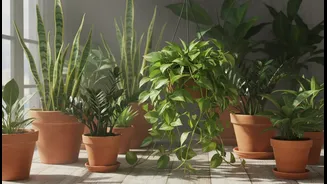
Arguably the most popular houseplant in India, the Money Plant, or Pothos, is incredibly resilient and easy to grow. It thrives in the high humidity of the monsoon season and can be grown in either soil or a simple bottle of water. Its beautiful heart-shaped, trailing vines can adorn shelves, windowsills, or hanging baskets. This plant is not just prized for its looks and Vastu beliefs; it's also an effective air purifier, adept at filtering common household toxins.
Boston Fern (Nephrolepis exaltata)
With their feathery, vibrant green fronds, Boston Ferns are classic humidity lovers. They are a perfect fit for high-moisture areas like bathrooms or shaded balconies. These plants are native to tropical forests, so they crave the damp air that mimics their natural habitat. To keep a Boston Fern happy, ensure its soil stays consistently moist but not waterlogged, and provide it with bright, indirect light. Misting the leaves can also help replicate the humidity it loves.
Calathea (Prayer Plant)
Calatheas, often called Prayer Plants, are grown for their stunningly patterned leaves that often feature shades of green, pink, and purple. These tropical beauties flourish in high humidity, and the steam from a bathroom or kitchen can provide the perfect environment for them. They prefer bright, indirect light and consistently moist soil. Low humidity can cause their leaf edges to curl or brown, so they are an excellent indicator of the moisture levels in your home.
General Care in Humid Conditions
Even for plants that love moisture, good care practices are essential during humid months. Ensure your pots have excellent drainage to prevent waterlogging and root rot, a common issue during the monsoon. Always check the soil before watering; high ambient humidity means plants dry out much slower. Good air circulation is also key to preventing fungal growth on leaves and soil. Finally, wipe down leaves occasionally to keep them clean and help the plant breathe effectively.