


A Land of Interconnected Risks
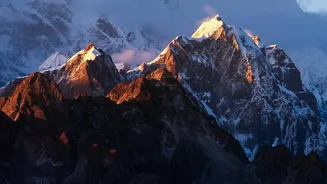
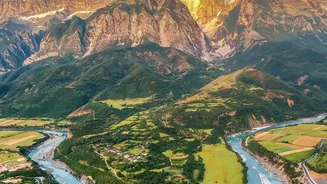
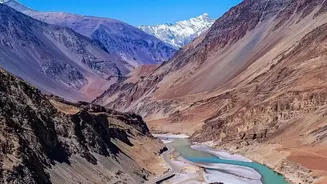
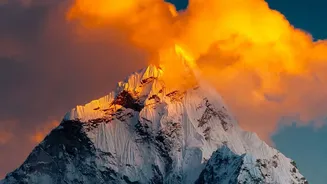
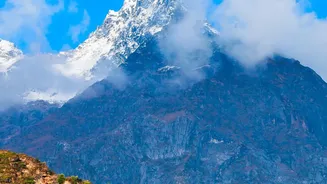
In Nepal, a disaster rarely happens in isolation. The country's dramatic topography, which drops from the world's highest peaks to flat river plains over a short distance, creates a high-energy environment. This means that when a natural hazard strikes,
its consequences can multiply. Experts call this phenomenon a "cascading disaster," where one event sets off another. An earthquake doesn’t just shake the ground; it can trigger devastating landslides and avalanches. These landslides can then form temporary dams in steep river valleys, blocking the flow of water. When these natural dams inevitably burst, they release a catastrophic surge of water, mud, and debris downstream, causing a flash flood that devastates communities far from the original event. This domino effect is what makes Nepal’s terrain so perilous.
The Fragile Geology
At the heart of Nepal's vulnerability is its active and fragile geology. The nation sits on the collision course of the Indian and Eurasian tectonic plates. The Indian plate is continuously pushing northward under the Eurasian plate at a rate of about five centimetres per year, building immense geological stress that is periodically released as major earthquakes. This seismic activity not only poses a direct threat but also destabilises the steep, rugged slopes that dominate the country. The mountains themselves are composed of fragile rock, making them highly susceptible to landslides, especially during the intense rainfall of the annual monsoon season. This combination of seismic activity and unstable slopes means the ground is often primed for disaster, waiting for a trigger like an earthquake or a heavy downpour.
When One Hazard Fuels Another
The 2015 Gorkha earthquake provided a harrowing example of cascading hazards. The initial quake and its aftershocks did not just destroy buildings; they unleashed thousands of landslides and multiple avalanches across the mountainous regions, cutting off entire communities. Similarly, recent flash floods in the Bhote Koshi and Melamchi rivers were not simple flooding events. In the case of the Melamchi flood in 2021, intense rainfall triggered a massive landslide high in the mountains. This debris dammed the river, and the subsequent outburst flood created a sediment-laden torrent that caused severe damage far downstream. These events illustrate how a hazard originating in the high mountains can rapidly transform into a different, and often more destructive, disaster in the valleys and plains below.
The Accelerating Threat of Climate Change
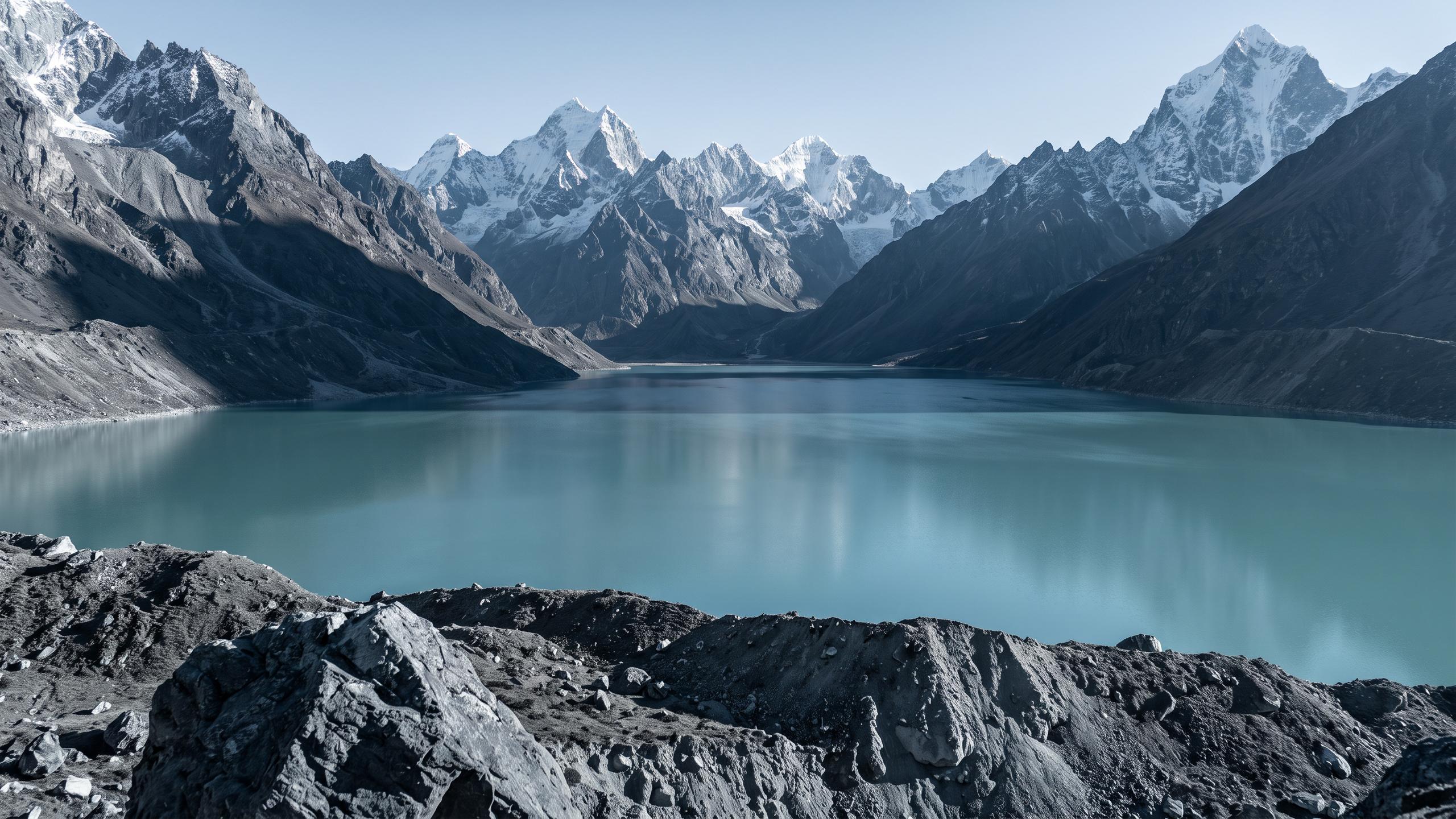
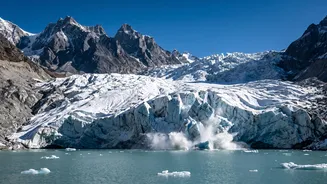
Climate change is amplifying these existing risks, making cascading disasters more frequent and intense. Nepal is warming faster than the global average, leading to rapid changes in the cryosphere—the frozen parts of the Earth. Glaciers are melting at an alarming rate, forming vast, unstable lakes dammed by loose moraine debris. A Glacial Lake Outburst Flood (GLOF) occurs when these natural dams fail, releasing enormous volumes of water and debris with little warning. Furthermore, climate change is altering rainfall patterns, leading to more erratic and extreme precipitation events. These intense downpours saturate the already fragile slopes, dramatically increasing the likelihood of landslides that can initiate a deadly cascade.
The Human Factor
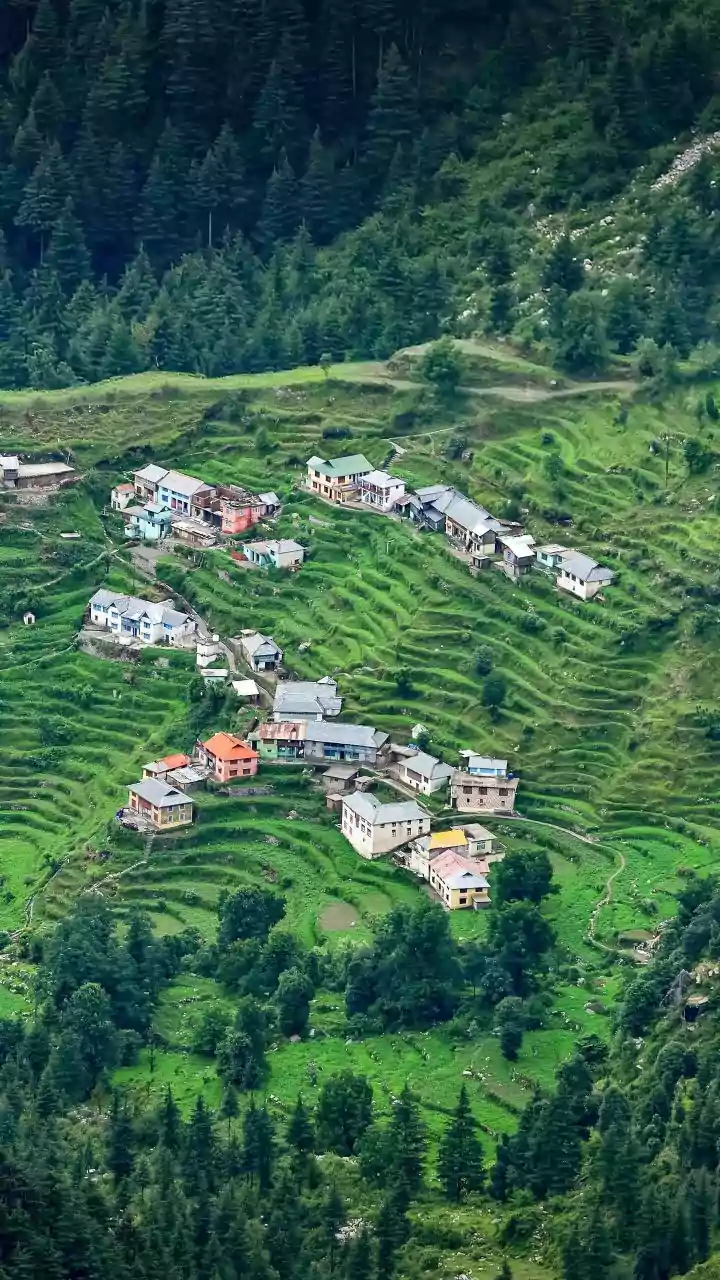
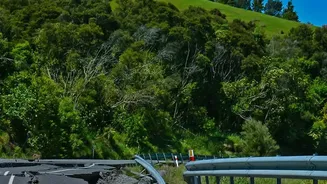
While geography and climate are primary drivers, human activity also plays a critical role. Poorly planned infrastructure, such as the rapid construction of roads cut into unstable hillsides, often exacerbates landslide risk. As populations grow, settlements are sometimes built in high-risk zones like riverbanks and on steep slopes, increasing exposure to floods and landslides. This combination of natural vulnerability and human decisions creates a perfect storm for disaster. Addressing Nepal's susceptibility to cascading disasters requires more than just responding to individual events; it demands a holistic approach that considers the interconnected nature of these risks, from strengthening infrastructure and implementing early warning systems to sustainable land-use planning that respects the power of the landscape.