


The End of the Sugar Rush?
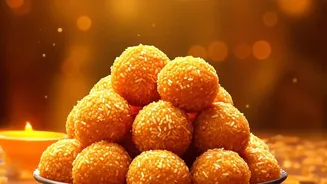
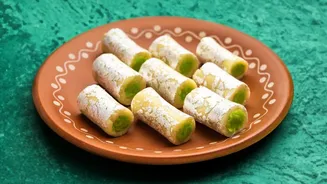
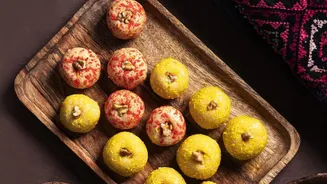
For generations, festive indulgence in India has been synonymous with sweets laden with refined sugar, processed flour (maida), and copious amounts of ghee. Desserts like gulab jamun, jalebi, and motichoor ladoo are cultural staples, steeped in nostalgia
and celebration. However, a growing awareness around health and wellness is prompting a significant shift. With rising rates of lifestyle diseases like diabetes and obesity, many urban households are rethinking their relationship with sugar. The modern Indian consumer is more discerning, often found reading labels and questioning ingredients. This conscious approach to eating doesn't mean giving up on festive joy; instead, it's about finding smarter, more nourishing ways to celebrate.
The Mighty Millet Makes a Comeback
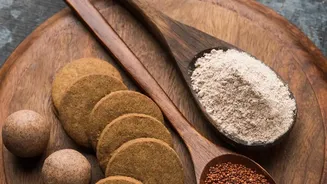
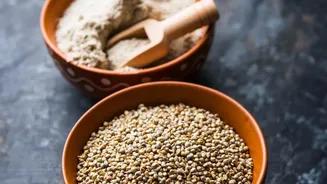
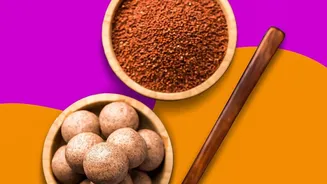
Enter millets, the ancient super-grains that were once a dietary staple across India before the Green Revolution prioritized wheat and rice. Today, these grains—including ragi (finger millet), jowar (sorghum), bajra (pearl millet), and foxtail millet—are making a triumphant return to the Indian kitchen. Their resurgence is backed by a powerful nutritional profile; millets are rich in protein, dietary fiber, and essential minerals like iron and calcium. Critically, they possess a low glycemic index, which helps in managing blood sugar levels, making them a healthier alternative to refined flours. The United Nations declaring 2023 as the 'International Year of Millets,' a proposal spearheaded by India, further amplified this momentum, positioning these grains as a solution to food security and nutritional challenges.
Tradition, Remixed for Modern Tastes
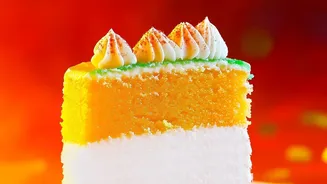
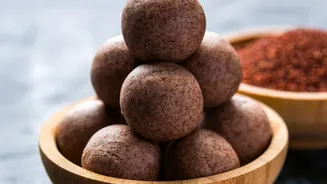
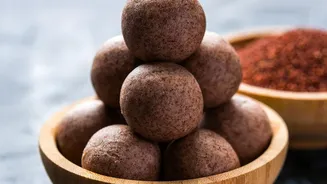
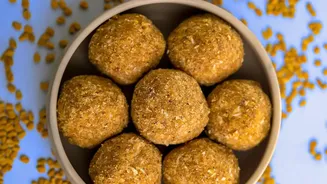
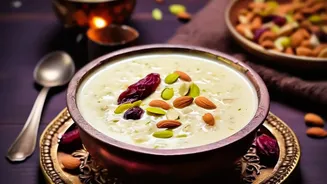
The most exciting part of this trend is that it’s not about replacing traditional sweets, but reinventing them. Home cooks and innovative brands are crafting millet-based versions of classic desserts that retain their authentic soul while boosting their nutritional value. Imagine ragi ladoos that are denser and richer in calcium than their besan counterparts, or kheer made from foxtail millet instead of rice, offering a unique texture and higher fiber content. Other popular creations include jowar halwa, millet and coconut barfi, and even modern fusion desserts like ragi chocolate halwa. These sweets often swap refined sugar for natural sweeteners like jaggery, dates, or honey, which, while still needing moderation, bring their own minerals and a more complex flavour.
More Than Just a Health Fad
The shift to millet-based sweets is more than a fleeting wellness trend; it represents a deeper cultural movement. For many, it's about embracing a modern Indian identity that values both personal health and ancestral heritage. This movement connects to a broader interest in sustainability, as millets are climate-resilient crops that require significantly less water than rice and wheat. Choosing millets is also a way to support local farmers and promote indigenous agriculture. Brands and social media influencers are playing a key role, making millet dishes aspirational and accessible through attractive packaging and easy-to-follow recipes. What was once seen as humble fare is now being celebrated as a superfood, fit for the most festive occasions.
Making the Healthy Switch at Home
Incorporating millets into your festive cooking is easier than you might think. Start by substituting a portion of regular flour with millet flour in traditional recipes. For instance, millet flours can be roasted and used to make everything from ladoos to barfis. When making kheer or payasam, simply use cooked millets instead of rice for a wholesome twist. A key tip is to toast millet flour on a low flame until it becomes aromatic to avoid any raw aftertaste. While these sweets are undoubtedly a healthier choice, it's important to remember that portion control remains key. They are still festive treats, meant to be savoring as part of a balanced approach to celebratory eating.