




Monsoon's Lingering Grip
September is a month of two halves in the mountains. While it marks the beginning of the post-monsoon season, the rains don't simply vanish on September 1st. The first couple of weeks, in particular, can still see significant rainfall. According to the India
Meteorological Department (IMD), active monsoon conditions can persist into early September, bringing heavy rainfall to states like Himachal Pradesh and Uttarakhand. This is because the ground is already heavily saturated from the preceding months of July and August, making it unstable and prone to weather-related incidents even with moderate showers. This lingering moisture is the primary source of risk for September travellers.
The Primary Danger: Landslides and Road Closures
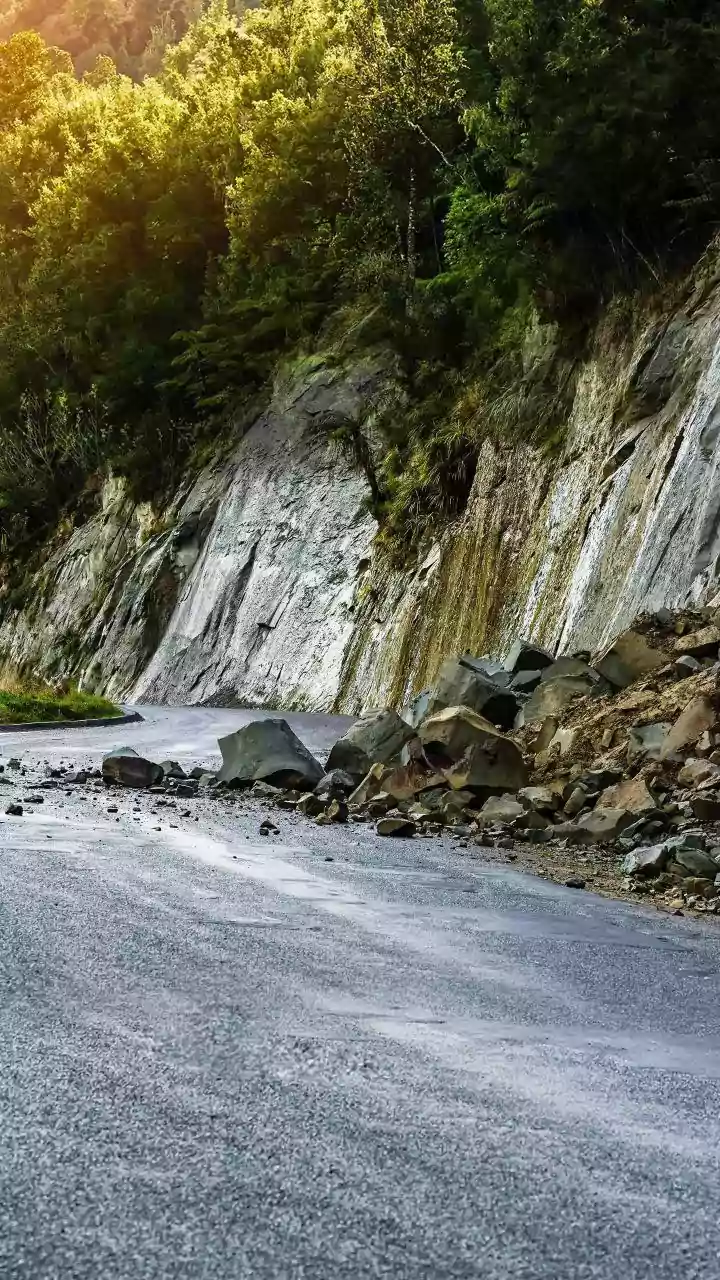
The most significant risk when travelling to hill stations in the monsoon's wake is landslides. Saturated soil on steep slopes can give way without warning, leading to road blockages that can last for hours or even days. Key highways in both the Himalayas and the Western Ghats are known for vulnerable stretches. For example, the routes to Shimla, Manali, and Mussoorie often face disruptions. Recent weather reports for early September 2026 confirm that continuous rain can weaken slopes and heighten the risk of landslides and road blockages. Authorities have warned that such conditions can disrupt traffic and that travellers should exercise caution, avoid night driving, and be prepared for delays.
Flash Floods and Swollen Rivers
Another serious hazard is the risk of flash floods and cloudbursts. These are sudden, intense downpours in a localised area that can turn gentle streams into raging torrents. The Himalayan region, in particular, is vulnerable to these events, which can wash away roads and bridges. Climate change is reportedly increasing the frequency of such extreme weather events in the mountains. Travellers are strongly advised to stay away from riverbanks and streams, which can swell unexpectedly. Even if it is not raining where you are, heavy rainfall upstream can cause water levels to rise dangerously. The IMD has recently flagged a moderate flash-flood risk for several districts in Himachal Pradesh and Uttarakhand.
Navigating Regional Differences
The risks are not uniform across all Indian hill stations. The mighty Himalayas in the north (Himachal, Uttarakhand) face significant threats from landslides and glacial melt-related events. These regions have seen numerous disruptive weather incidents, and authorities frequently issue advisories. In the south, the Western Ghats (covering areas like Coorg, Munnar, and Wayanad) also contend with heavy rainfall and landslides, though the landscape and geology are different. While September here is also a transitional month with lush scenery, the soil remains slippery and trails can be treacherous. It's crucial to research the specific conditions for your chosen destination, as a warning for one region may not apply to another.
Your Essential Safety Checklist
Despite the risks, a September hill station trip can be safe and rewarding with proper planning. The key is to be flexible and informed. Always check the latest IMD weather forecasts and local travel advisories before and during your trip. Build buffer days into your itinerary to account for potential road closures or delays, rather than sticking to a rigid schedule. Pack wisely with waterproof gear, quick-drying clothes, and sturdy, non-slip footwear. When on the road, travel during daylight hours and avoid crossing flooded roads or parking near unstable-looking slopes. Always keep emergency contact numbers handy and inform a friend or family member of your travel plans.