





The Allure of Grounded Design
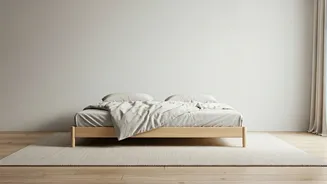
In our fast-paced lives, the bedroom should be a retreat—a place of peace and rest. The minimalist design philosophy, which champions 'less is more', perfectly serves this purpose. By stripping away excess, we create visual calm. The low-frame bed is a cornerstone
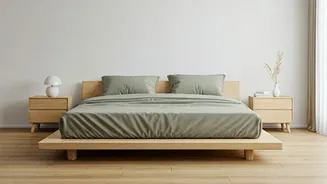
of this aesthetic. Inspired by Japanese interior principles and modern Scandinavian design, these beds sit much closer to the floor than their traditional counterparts. This simple change has a profound psychological effect; it makes the space feel more grounded, stable, and intentional. By lowering the room's primary focal point, you instantly create an illusion of higher ceilings and a more open, airy environment.
Making Small Rooms Feel Spacious
For many of us living in urban apartments, space is a luxury. A bulky, traditional bed can easily dominate a small room, making it feel crowded and claustrophobic. This is where the low-profile bed truly shines. Its minimal vertical presence opens up the sightlines across the room. Your eye is not stopped by a large, imposing piece of furniture. Instead, the room feels more expansive and breathable. This visual trick is incredibly effective for making compact bedrooms feel significantly larger and less cluttered. Furthermore, the clean lines and simple structure of a minimalist frame contribute to a tidy, organised look, which is essential for maintaining a tranquil atmosphere in a limited space.
How to Choose the Right Frame
Selecting the perfect low-frame bed involves considering both material and style. Solid wood frames, particularly in light tones like oak or darker ones like sheesham, offer warmth and a natural, organic feel. They are sturdy and timeless. Metal frames provide a more industrial or sleek, modern look and are often very slim in their construction. For a touch of softness, consider an upholstered frame in a neutral fabric like linen or cotton. In terms of style, a simple platform bed offers a solid base for your mattress. For an ultra-minimalist effect, a 'floating' bed, where the supports are recessed and hidden from view, can make the bed appear to hover just above the floor. Always ensure the frame provides adequate support and ventilation for your specific mattress type, whether it's foam, latex, or a hybrid.
Styling Your Minimalist Bed Setup
The key to styling a low-frame bed is to maintain the clean aesthetic. Opt for high-quality bedding in solid, neutral colours like white, beige, grey, or earthy tones. Natural fabrics such as linen and cotton add texture and a sense of relaxed luxury. Avoid piling on dozens of decorative cushions; one or two accent pillows are enough. Flank the bed with low-profile nightstands that match the bed's height. A simple, sculptural lamp or a sleek wall-mounted scone is preferable to a large, ornate table lamp. Keep the area around the bed clutter-free. The beauty of this setup is in its simplicity, so let the clean lines of the bed and the texture of the bedding be the main event.
Practical Considerations Before You Buy
While visually stunning, a low-frame bed isn't for everyone. Consider the ergonomics of getting in and out of a bed that's closer to the floor. For individuals with mobility issues or knee and back problems, a higher bed might be more practical. Another point to consider is storage. Many low-frame beds do not offer under-bed storage space, which can be a drawback if you rely on that area to keep things organised. However, this can also be a positive, forcing you to declutter and maintain a more minimalist lifestyle. Finally, ensure there is enough clearance underneath for cleaning, as dust can accumulate in hard-to-reach spots. Choosing a frame that is slightly elevated off the floor can help with both cleaning and mattress ventilation.