
A Sweet Offering for a Beloved God
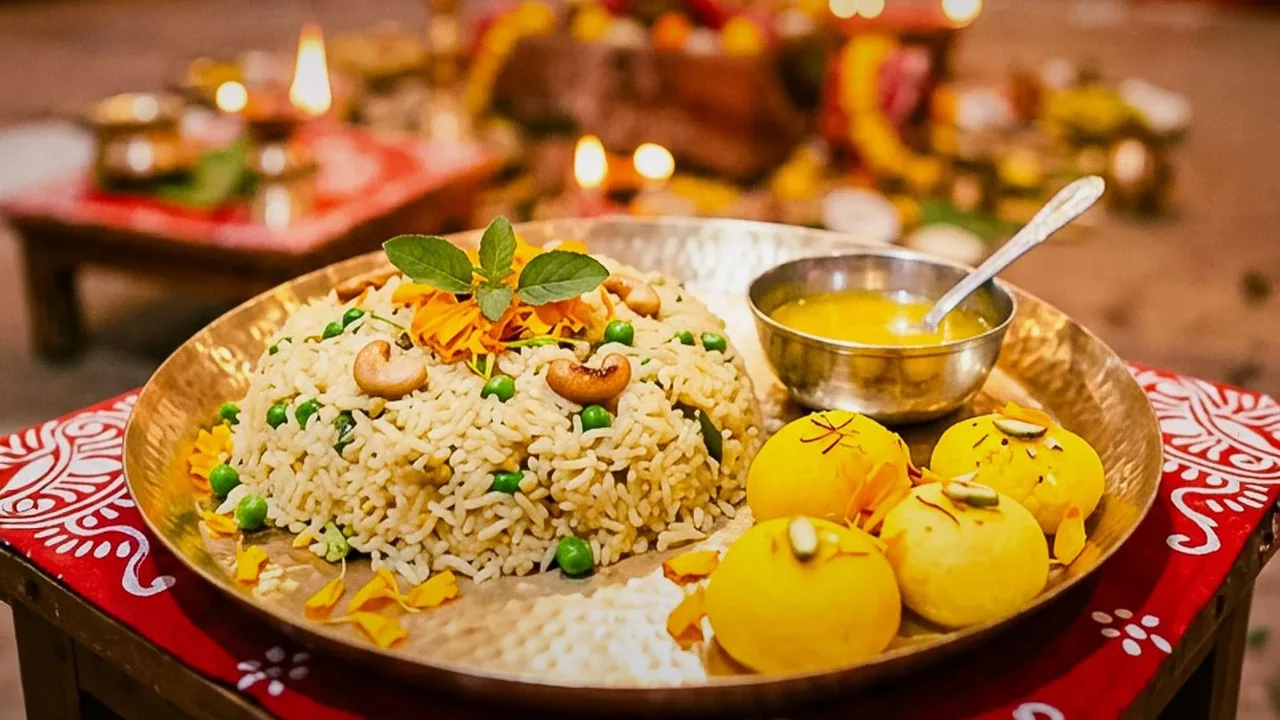
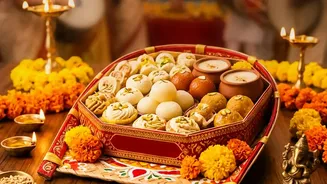
The story of the Mathura Peda is inseparable from the city's identity as the birthplace of Lord Krishna. For centuries, this milk-based confection has been the primary 'prasad' or blessed offering to the deity, especially during festivals like Janmashtami.
Hindu tradition and folklore are rich with tales of Krishna's love for milk and butter, and the peda is seen as a culinary extension of this divine connection. The Braj region, where Krishna is said to have spent his childhood, has a strong dairy farming tradition, creating the perfect foundation for a milk-based sweet to become central to its cultural and religious life. When devotees visit the temples of Mathura and Vrindavan, they often purchase these sweets to offer to the gods and to take home as a blessed gift, transforming the peda from a local delicacy into a revered symbol of faith.
What Makes Mathura Peda Unique?
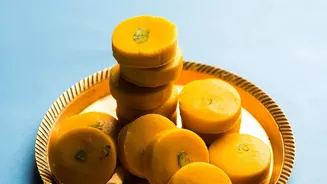
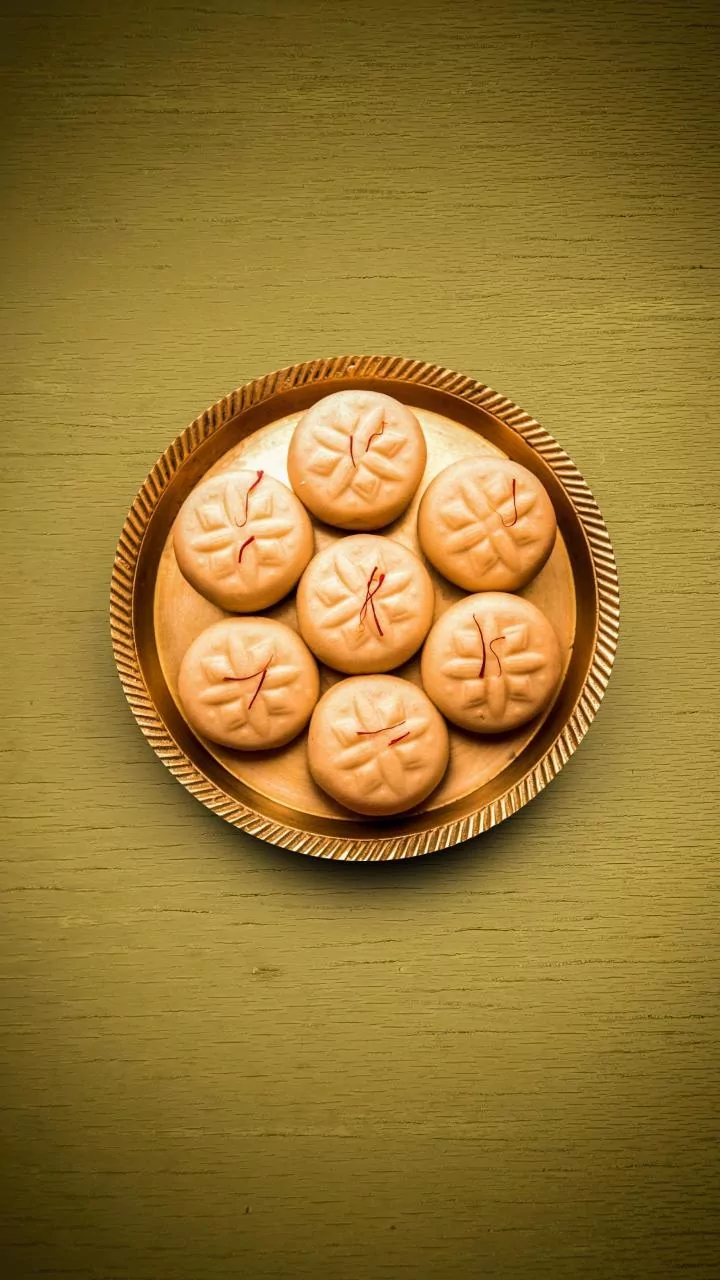
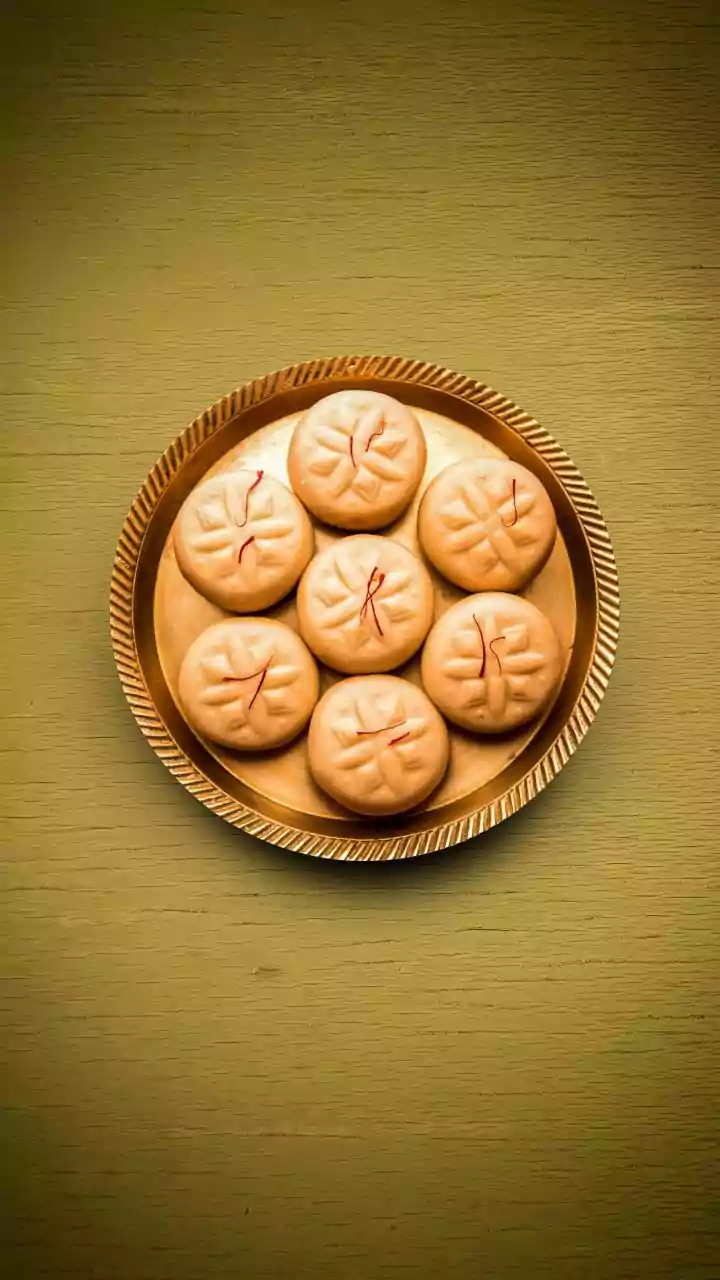
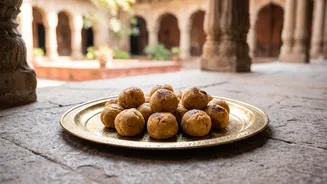
Unlike the softer, paler pedas found elsewhere in India, the Mathura Peda has a distinct character. Its signature is a grainy texture and a beautiful brownish hue, which comes from a meticulous and patient cooking process. The key ingredient is khoya, or mawa, which is milk that has been slowly simmered for hours until the liquid evaporates, leaving behind only the milk solids. For the Mathura Peda, this khoya is then roasted, often with a bit of ghee, until the milk sugars begin to caramelise. This roasting process gives the peda its signature dark colour and a deep, nutty, almost caramel-like flavour. This mixture is then combined with sugar (traditionally a type of unrefined cane sugar called 'tagar' or 'boora') and flavoured with cardamom before being shaped into small, dense discs.
More Than a Sweet: A Local Economy
The peda is not just a cultural cornerstone but also a significant economic driver for Mathura. The city is lined with countless sweet shops, many of which have been run by the same families for generations. These establishments, from small hole-in-the-wall counters to larger, more modern stores, collectively form a cottage industry that supports thousands of local artisans, producers, and their families. The demand, fuelled by millions of pilgrims and tourists who visit the holy city each year, ensures a bustling trade. A trip to Mathura is often considered incomplete without tasting its iconic sweet, making it a popular souvenir for visitors to carry back home. This has cemented 'Mathura ka Peda' as a brand in itself, a phrase that evokes a specific taste and a rich heritage.
Preserving a Delicious Legacy
In an effort to protect its unique identity and ensure quality, there has been a significant push to secure a Geographical Indication (GI) tag for the Mathura Peda. A GI tag is a form of legal protection that certifies a product's origin and authentic preparation methods, safeguarding it from imitation and adulteration, a problem that has become more common with its rising popularity. While the application process, initiated by local mithai associations, has been underway for some time, the goal is to formally recognise the peda's deep-rooted connection to the geography and traditions of Mathura. This move is part of a broader effort under Uttar Pradesh's 'One District One Product' scheme to champion and preserve the state's unique culinary and artisanal treasures.