



The Illusion of a Full Garden
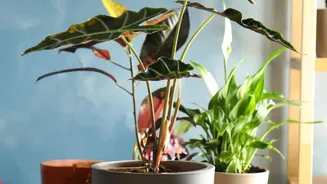
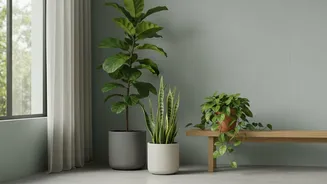
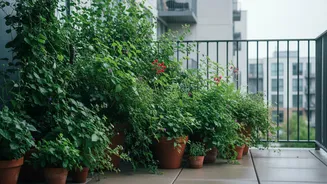
When you look at a dense wall of green, it’s easy to diagnose the problem as a lack of space. In reality, the issue is often an excess of foliage on the plants you already have. Overcrowding doesn't just refer to putting too many plants in one pot; it also
happens when a single plant becomes too bushy and overgrown. This density creates an illusion of being cramped, leading gardeners to believe they've run out of room when they've actually just run out of light and air within the canopy of their existing plants.
The Hidden Downsides of Dense Foliage
A packed, jungle-like appearance might seem like a sign of vigorous growth, but it often hides underlying problems. Densely packed leaves prevent air from circulating freely. In humid climates, this trapped moisture becomes a breeding ground for fungal diseases like powdery mildew. Furthermore, the outer leaves cast the inner and lower sections of the plant into shadow, causing them to yellow and die off. This intense competition means plants spend energy fighting their own leaves for sunlight and resources, which can lead to weaker stems, fewer flowers, and a smaller harvest.
The Art of Strategic Thinning and Pruning
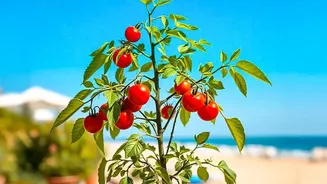
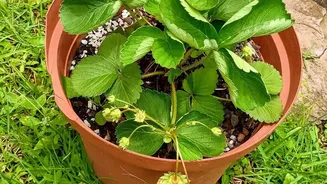
Before you buy another pot, grab a pair of clean scissors or pruning shears. The goal is to open up the plant's structure to let light and air penetrate its core. Thinning involves removing entire stems or seedlings to create space between them. This is crucial for vegetables sown closely together. Pruning, on the other hand, involves cutting back parts of an established plant. For bushy herbs like basil or mint, regularly snipping stems not only provides you with a harvest but encourages healthier growth. For vining plants like tomatoes or money plants, selectively removing some of the larger, older leaves (especially from the bottom) can make a huge difference. Always cut cleanly at the base of a leaf or stem, and if you're dealing with disease, it's wise to disinfect your tools between cuts with a simple alcohol solution to prevent spreading pathogens.
Knowing When and What to Cut
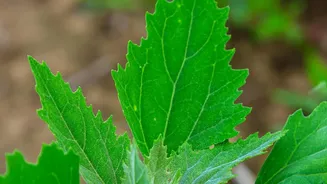
The best time to prune is typically on a dry day to help the cuts heal quickly and reduce the risk of infection. Look for visual cues. Are the leaves so dense you can't see the main stem? Are lower leaves turning yellow or pale? These are signs that it's time to thin. For flowering plants, some light pruning can be done after a blooming cycle to shape the plant and encourage new growth. For seedlings, the process of thinning should begin once they have their first set of "true" leaves—the second pair of leaves that emerge and resemble the mature plant. The goal is not to butcher the plant, but to create a more open, vase-like shape that allows every part of it to breathe.
Reaping the Rewards of a Lighter Canopy
The results of strategic thinning go far beyond just saving money on pots and soil. Your plants will be visibly healthier and more resilient against pests and diseases. With better access to sunlight for all leaves, photosynthesis becomes more efficient, leading to stronger growth and, in the case of edible plants, a more abundant yield. A well-pruned garden also looks neater and more intentional. By creating space within your existing plants, you’ll find that your garden suddenly feels bigger, brighter, and more manageable. You’ll have revealed the space that was hiding there all along, transforming a crowded-looking area into a thriving, productive, and beautiful green space.