




The Instagram-Fueled Checklist
For years, the goal was to ‘do’ the places you were supposed to do. Paris meant the Eiffel Tower, Rome meant the Colosseum, and your local city’s hottest restaurant meant waiting two hours for a table you saw on TikTok. Travel and leisure became a kind
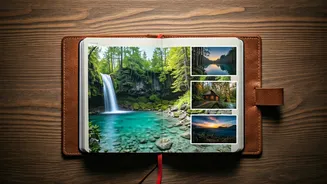
of high-stakes scavenger hunt, driven by a desire to collect experiences—or more accurately, to collect the photos proving you had them. Social media turned unique destinations into backdrops and cultural artifacts into props. The result? A thousand people standing in the exact same spot in Iceland, trying to replicate a photo they saw online, creating a traffic jam in the middle of a remote landscape. We built a world of bucket lists, only to find that when everyone has the same list, the destination feels less like a discovery and more like an obligation.
Our Post-Pandemic Social Hangover
Then, the world shut down. For the better part of two years, we were forced to find joy in quiet. We walked empty streets, discovered local parks, and got used to the novel concept of personal space. This collective recalibration had a lasting effect. Our tolerance for being packed like sardines into a concert venue, a crowded bar, or an airplane cabin has plummeted. What once felt like energetic “buzz” now often registers as chaotic and stressful. The quiet of the pandemic created a new baseline for comfort. Now, the thought of returning to a shoulder-to-shoulder throng doesn't just feel inconvenient; for many, it feels fundamentally unpleasant. We remembered what it was like to hear ourselves think, and we’re not eager to give that up for an overpriced cocktail in a room where you have to shout to be heard.
The Search for Something Real
This isn't just about avoiding germs or noise. It's a deeper search for authenticity. A truly memorable experience is rarely one that’s perfectly curated, predictable, and shared with thousands of strangers. The joy of travel and discovery often lies in the unexpected—the quiet side street, the family-run diner not on any list, the empty beach at sunrise. Crowds sanitize that possibility. They create a monoculture where every visitor has a functionally identical experience, mediated by ropes, lines, and time slots. The pushback against crowded spots is a vote for genuine connection over manufactured spectacle. It’s the realization that talking to a local shop owner in a small town in Vermont might be more enriching than fighting for a photo op at Times Square. We’re starting to value the story we find for ourselves more than the one that was pre-packaged for us.
Welcome to the Second City
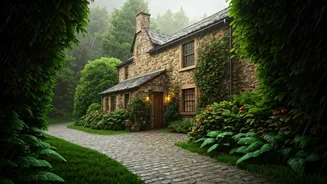
This shift is already reshaping how we travel and socialize. Instead of flocking to the big-name national parks like Zion and Yellowstone, which now require reservations and lottery systems, people are exploring state parks and national forests that offer similar beauty without the human traffic jam. The concept of the “second city” trip—visiting Portland, Maine, instead of Boston, or Boise instead of Denver—is gaining traction. These places offer a sense of discovery and a slower pace. The same is happening with our social lives. Instead of hitting the trendiest downtown bar, more people are opting for backyard get-togethers, neighborhood potlucks, or exploring a brewery in a quiet suburb. It’s a pivot from consumption to connection, from being seen at the “right” place to simply being present in a good one.