

Farming Under the Sun, and Panels
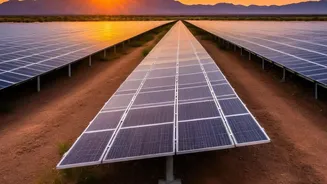
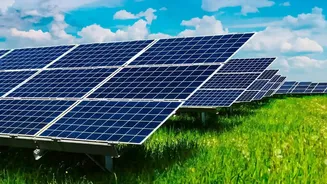
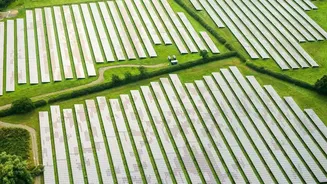
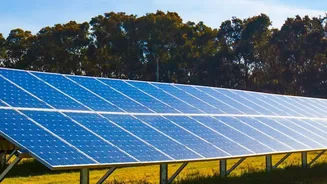
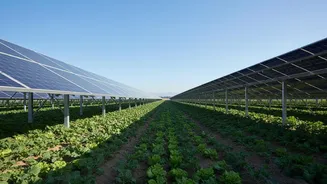
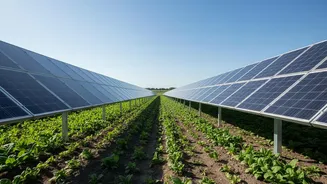
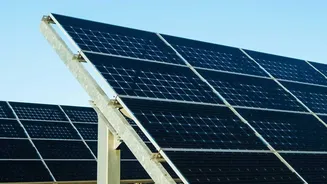
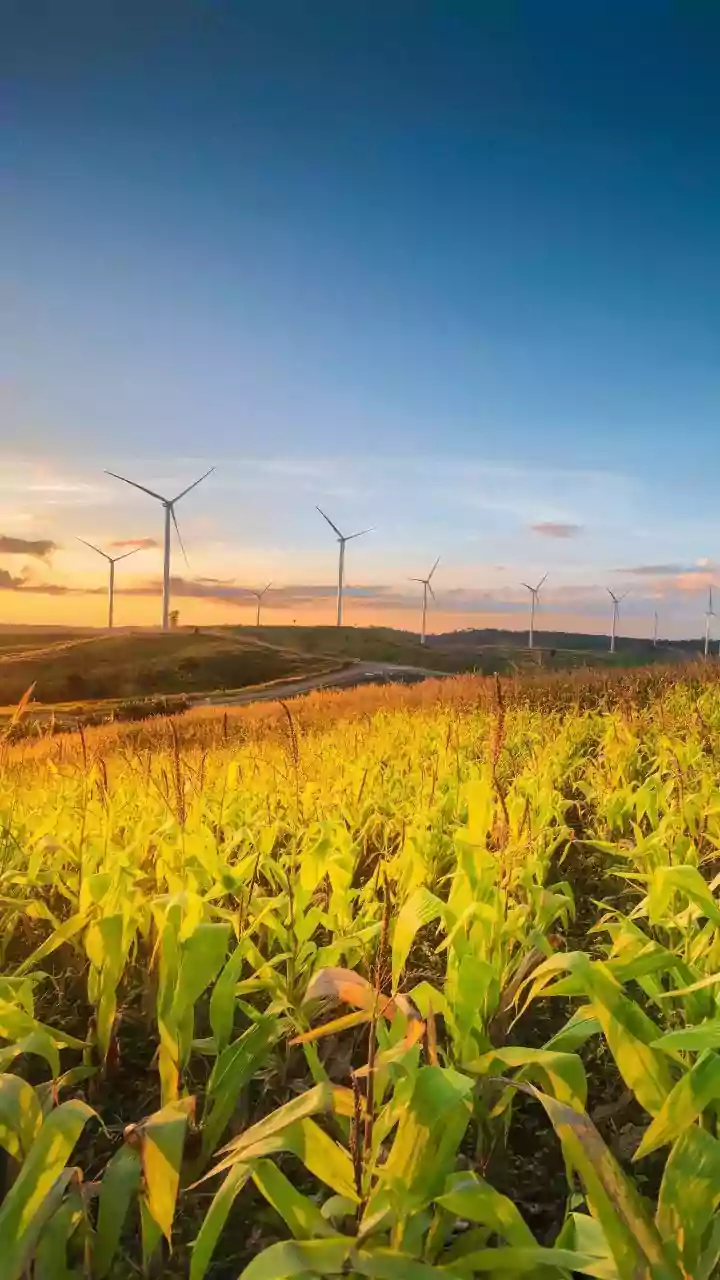
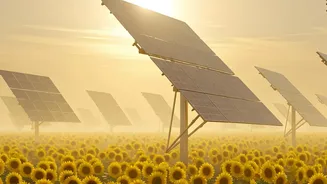
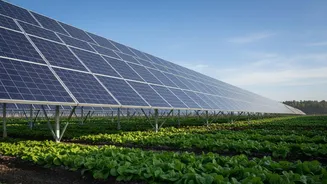
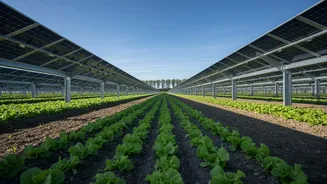
At its core, agrivoltaics is the practice of using the same piece of land for both agriculture and solar power generation. Instead of choosing between a field of crops or a field of solar panels, this approach installs elevated solar arrays high enough
for farming activities to continue underneath. It’s a direct answer to the growing competition for land, one of India's most finite and precious resources. By co-locating, farmers can potentially harvest sunlight twice: once as food through photosynthesis, and again as electricity. This dual-use model is not just a theory; pilot projects are already underway across the country, from Maharashtra to a new initiative planned in Kashmir, demonstrating its practical potential.
The Two-for-One Advantage
The appeal of agrivoltaics for India is compelling. For farmers, it offers a diversified and potentially stable new revenue stream from selling electricity to the grid, supplementing often-unpredictable agricultural income. For the nation, it helps meet renewable energy targets without sacrificing agricultural land, a critical concern for a country that needs to feed over a billion people. Government initiatives like the PM-KUSUM scheme are already providing a policy framework and subsidies to encourage farmers to install solar plants, specifically allowing for raised structures that permit cultivation to continue. Proponents argue that this system can increase overall land productivity by 60% or more.
The Complication of Shade
However, placing crops under solar panels introduces a significant variable: shade. While some protection from the harsh sun can be beneficial, too much shade can hinder photosynthesis and reduce crop yields. The central challenge of agrivoltaics is finding the perfect balance where panels generate sufficient power without starving the plants below of necessary sunlight. Research shows that the impact is highly dependent on the crop type, the local climate, and the design of the solar array. A setup that works for shade-tolerant leafy greens might be disastrous for sun-loving grains. This makes a one-size-fits-all approach impossible and highlights the need for careful, region-specific planning.
Innovating to Beat the Heat (and Dark)
Fortunately, the shade problem is inspiring a wave of innovation. Agrivoltaic systems are becoming smarter. Some use bifacial panels that capture sunlight from both sides, allowing more diffuse light to reach the crops below. Others feature dynamic tracking systems that tilt the panels throughout the day, managing the amount of light and shade to benefit both energy production and plant growth. In arid regions like parts of Rajasthan, the shade from panels can actually be a blessing. It lowers soil temperature, reduces water evaporation, and protects crops from heat stress, sometimes leading to higher yields for certain plants and significant water savings. Studies have shown some pepper varieties producing more fruit and using less water when grown under panels.
What Crops Work Best?
The success of an agrivoltaics project hinges on crop selection. Extensive research is being done to identify which plants thrive in a partial-shade environment. Early results are promising for a variety of crops, including leafy greens like spinach, along with tomatoes, chillies, and certain herbs. In some cases, the microclimate created by the panels has even been shown to boost the yield of potatoes and wheat. Research institutions in India are actively studying different crop-panel combinations to develop best practices for the country's diverse agro-climatic zones. A recent pilot announced for Kashmir, for example, will specifically test the system's performance with high-value horticultural crops like apples.