






The Search for Silence
In the bustling urban landscapes of Maharashtra, finding genuine peace and quiet can feel like a quest. The constant hum of traffic and the press of crowds leave many city dwellers yearning for a restorative escape. While the magnificent Sahyadri mountain
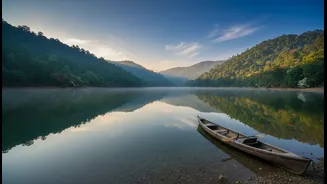
range offers numerous trekking options, many popular trails have become weekend hotspots, replacing urban noise with a different kind of chatter. For those truly seeking to disconnect and recenter, the answer lies not on the highest peak, but along the quiet, winding edges of the state's vast reservoirs and lakes. These remote inlets provide a sanctuary from the crowds, offering a different kind of outdoor experience—one that prioritizes inner calm over conquering a summit.
The Unique Power of 'Blue Spaces'
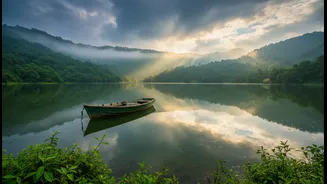
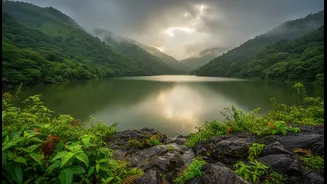
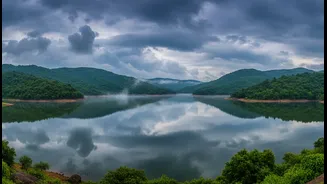
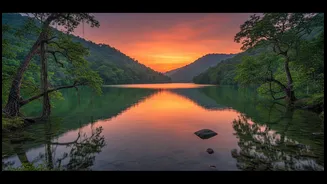
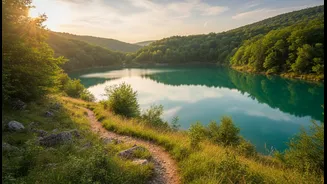
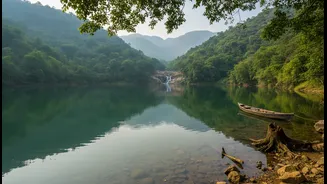
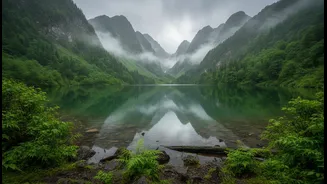
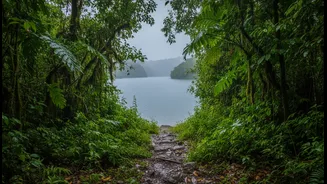
The focus on remote lake inlets is about more than just avoiding crowds; it’s about harnessing the unique psychological benefits of 'blue spaces'. Research has increasingly shown that being near water has a profoundly calming effect on the human mind. The gentle lapping of waves, the expansive views across the water, and the high levels of oxygen in the air all contribute to reduced stress and anxiety. Unlike a dense forest trail, the open vistas along a lake’s edge can create a sense of expansive peace, allowing the mind to wander without feeling confined. These inlets, often accessible via small, unmarked paths, are where the land, water, and sky meet in a tranquil trio, creating an ideal setting for mindfulness practices.
Where Water Meets the Sahyadris
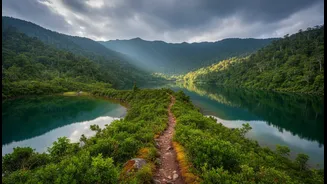
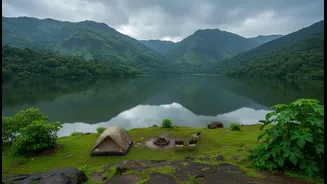
Maharashtra is blessed with large, man-made lakes, many of which are cradled by the Sahyadri hills. Around destinations like Bhandardara's Arthur Lake, Pawna Lake near Lonavala, and the Mulshi Dam area, there are countless hidden coves and quiet stretches of shoreline. For example, a road loops around Arthur Lake, offering access to numerous trails and quiet spots away from the main tourist points. Similarly, while Pawna is famous for camping, its periphery is dotted with lesser-known trails leading to forts like Tung and Lohagad, which provide sweeping views of the water from a quieter perspective. The key is to look beyond the main boat clubs and picnic spots and explore the smaller paths that trace the water's edge, where the true serenity of the region can be found.
A Guide to Mindful Hiking
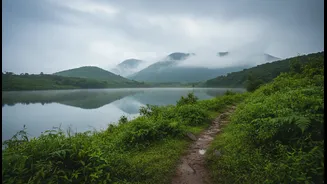
A mindfulness hike is less about the distance covered and more about the quality of attention you bring to the experience. Instead of powering through the trail with music, try walking in silence for a period. Pay attention to the sensation of your feet on the earth and the rhythm of your breath. When you pause, perhaps by a quiet inlet, engage all your senses. Notice the different shades of green and blue. Listen to the sound of the wind moving through the reeds and the call of distant birds. Feel the temperature of the air on your skin. This practice of grounding yourself in the present moment is the essence of mindfulness, and it is significantly enhanced by the calm, multi-sensory environment of a lakeside trail.
Preserving the Peace
The very appeal of these remote inlets is their untouched nature. As more people discover the joy of these quiet hikes, it's crucial to practice responsible tourism. This means following the principles of 'Leave No Trace'—packing out everything you bring in, not disturbing the local flora and fauna, and respecting the tranquility of the environment. The goal is to leave these spaces as pristine as you found them, ensuring that they remain calm sanctuaries for wildlife and future wanderers alike. Choosing a less-trodden path comes with the responsibility of being a guardian for that space, ensuring its quiet magic endures.