




The Core of the Proposal
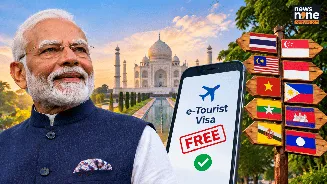
During the 23rd India-ASEAN Summit in Manila, Philippines, on November 17, 2026, Indian Prime Minister Narendra Modi announced the proposal to waive e-visa fees for tourists from all 11 member countries of the Association of Southeast Asian Nations (ASEAN).
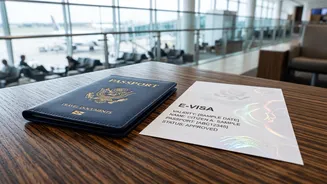
The goal is to eliminate the government fee associated with obtaining an electronic tourist visa, making travel to India more affordable and appealing. It's important to note this is a fee waiver, not a visa-free travel policy. Eligible travellers would still need to complete the online application for an e-visa before their trip. Currently, the standard 30-day e-tourist visa costs between $10 and $25, depending on the nationality. The proposal aims to unify and expand upon existing fee waivers already in place for some ASEAN countries.
Who is Eligible?
The proposal targets inbound tourists from all 11 ASEAN member nations. This includes travellers from Brunei, Cambodia, Indonesia, Laos, Malaysia, Myanmar, the Philippines, Singapore, Thailand, Timor-Leste, and Vietnam. This move harmonises India's visa policy for the entire regional bloc. Previously, India already offered a free 30-day e-visa to citizens of five ASEAN countries: Indonesia, Myanmar, Malaysia, the Philippines, and Thailand. This new initiative, if implemented, would extend the benefit to the remaining six countries, creating a uniform policy across Southeast Asia and simplifying the travel process for a massive potential market.
The Strategy Behind the Gesture
This initiative is a key component of India's 'Act East' policy, which focuses on strengthening economic, diplomatic, and cultural relationships with its eastern neighbours. By simplifying travel, India aims to significantly boost people-to-people connections and increase tourist arrivals, which took a global hit during the pandemic. The move is also strategic for promoting specific tourism sectors, such as the Buddhist circuit, which is a major attraction for visitors from Buddhist-majority nations in Southeast Asia. With direct flights already connecting India to nine of the eleven ASEAN countries, this visa fee waiver is the logical next step to capitalise on that growing connectivity and encourage more short-haul holidays.
How the Process Will Likely Work
While an official implementation date and specific guidelines have not yet been announced, the process is expected to follow the existing e-visa framework. Travellers will need to apply through the official Government of India e-visa portal (indianvisaonline.gov.in). The typical application involves filling out an online form with personal and passport details, uploading a recent photograph and a copy of the passport's bio page, and paying any applicable fees. In this case, the visa fee would be waived, though a nominal processing fee may still apply. Once the application is approved, the traveller receives an Electronic Travel Authorization (ETA) via email, which must be presented upon arrival in India. Travellers should be wary of fake websites claiming to offer visa services.
What Travellers Should Keep in Mind
Although the headline news is the 'free' visa, it is crucial to understand the specifics. The proposal focuses on the e-Tourist visa category. India offers several types of e-visas, including for business, medical treatment, and conferences, which will likely still require the standard fees. The current proposal seems aimed at the 30-day tourist e-visa, though it is unclear if longer-term tourist visas (one-year and five-year) will be included in the fee waiver for all ASEAN nations. The e-visa is valid for entry through 24 designated airports and 3 designated seaports, offering broad access to the country. Until the government provides a firm start date, travellers should continue to check official sources for the latest information.