
A Common Nutrient Mix-Up
You may have heard that a splash of lemon juice on your lentils can supercharge your meal, perhaps even doubling your protein absorption. While the spirit of this advice is correct—food pairing matters—the science points to a slightly different, but equally
crucial, benefit. Vitamin C is a powerhouse nutrient, but its most celebrated partnership isn't with protein absorption directly. Instead, its major role is in dramatically increasing the bioavailability of another vital mineral that can be tricky to get on a vegetarian diet: iron. While vitamin C is involved in protein metabolism, particularly in building collagen from amino acids, its direct impact on absorbing protein from sources like beans and tofu is not its primary function. The real story is about iron, and it's a game-changer for plant-based eaters.
The Real Power Couple: Vitamin C and Iron
Iron comes in two forms: heme, found in animal products, and non-heme, found in plants. Our bodies find it much easier to absorb heme iron. Non-heme iron, the kind in spinach, lentils, beans, and fortified grains, is notoriously less available for our bodies to use. This is because many plant foods contain natural compounds called phytates and tannins, which bind to iron and prevent it from being absorbed in your gut. This can put vegetarians and vegans at a higher risk of iron deficiency, which can lead to fatigue, weakness, and other health issues. This is where vitamin C enters as the hero. When consumed in the same meal, it acts as a key, unlocking the iron that would otherwise pass through your system unused.
How The Magic Happens
The science behind this pairing is elegant. Vitamin C, or ascorbic acid, works in two main ways. First, it helps convert the non-heme iron from its ferric (Fe3+) state to the much more soluble ferrous (Fe2+) state, which your intestines can absorb far more easily. Second, it forms a protective compound with the iron, keeping it soluble and bioavailable even in the alkaline environment of the small intestine. This effect is so significant that studies have shown adding vitamin C to a meal can increase non-heme iron absorption substantially. Even a modest amount, around 50 milligrams of vitamin C (the equivalent of half a bell pepper), can make a meaningful difference in the iron you get from your meal.
Smart Pairings for Your Plate
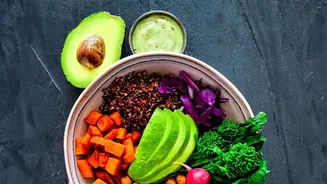
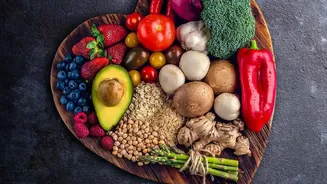
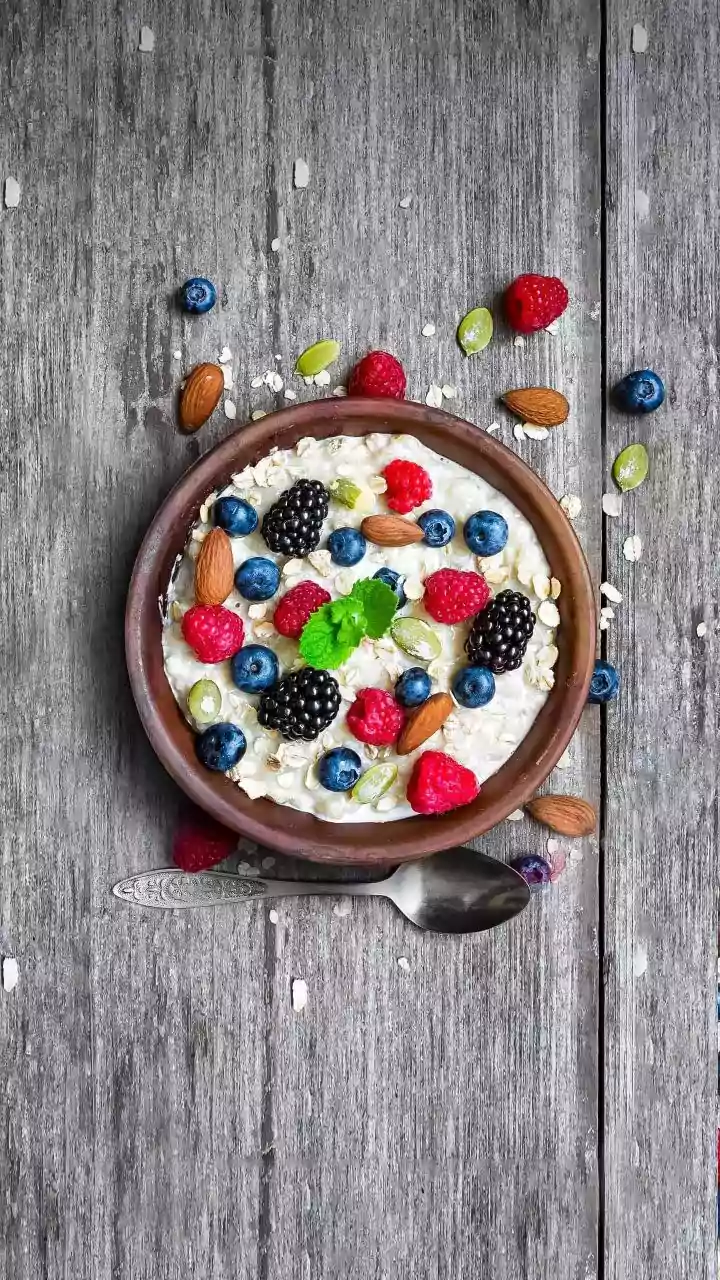
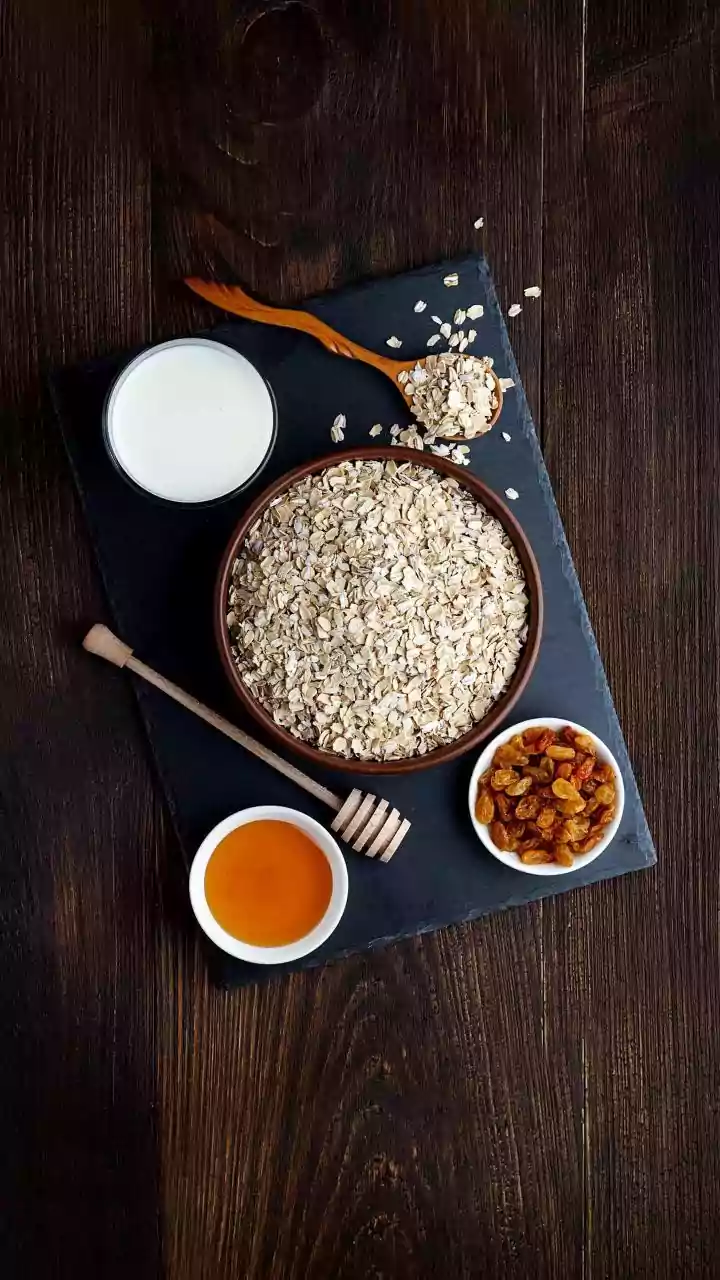
Putting this into practice is simple and delicious. The goal is to combine a plant-based iron source with a vitamin C-rich food in the same meal. The possibilities are endless, but here are a few ideas to get you started: - Lentil Soup with a Squeeze of Lemon: Finish your hearty lentil soup with a generous squeeze of fresh lemon juice just before serving. - Spinach Salad with Strawberries or Bell Peppers: Instead of a plain salad, add sliced strawberries or colorful bell pepper strips to your spinach base for a C-boost. - Tofu or Tempeh Stir-fry with Broccoli: Tofu and tempeh are excellent iron sources, and broccoli is packed with vitamin C, making them a perfect stir-fry combination. - Chickpea Curry with Tomatoes: Tomatoes and their paste are a good source of vitamin C that works beautifully in chickpea-based curries. - Oatmeal with Berries: Fortified oatmeal contains iron. Topping it with fresh berries like strawberries or blueberries adds a dose of vitamin C to start your day right.
The Collagen Connection
While vitamin C's primary role isn't absorbing protein, it is absolutely essential for using protein to build and repair tissues. Specifically, vitamin C is a vital cofactor in the synthesis of collagen, the body's most abundant protein. Collagen provides structure to your skin, bones, cartilage, and blood vessels. Your body can't effectively create stable collagen molecules without an adequate supply of vitamin C, no matter how much protein you eat. So, by ensuring you have enough vitamin C, you are directly supporting your body's ability to use the amino acids from the plant proteins you consume to maintain a healthy and resilient body.