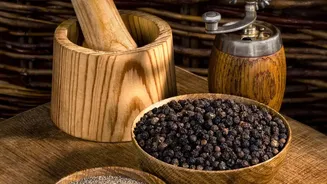



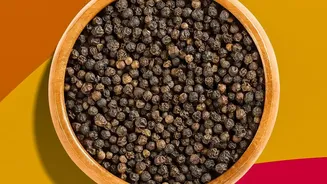
Black pepper is the 'king of spices' in most Indian kitchens, but its high value makes it a target for adulteration. How can you be sure what you're buying is pure? Here are the most common impurities and how to spot them right at home.
Why Purity in Pepper Matters
From dal tadka
to marinades, black pepper adds a pungent heat and distinct aroma that is irreplaceable. However, when adulterated, its quality is severely compromised. Impurities not only dilute the flavour and health benefits but can sometimes introduce harmful substances into your food. Economically motivated adulteration is a widespread issue, where cheaper substitutes are mixed in to increase profits, leaving the consumer with an inferior or even unsafe product. Ensuring the purity of your pepper means you get the flavour, aroma, and antioxidant properties you pay for, without the risks.
Adulterant 1: Dried Papaya Seeds
The most common adulterant found in whole black pepper is dried papaya seeds. When dried, these seeds visually resemble black peppercorns in size, shape, and colour, making them a cheap and deceptive bulking agent. While not acutely toxic, they offer none of the pungent flavour of real pepper and may cause digestive issues in some individuals. Their presence means you are getting less of the actual spice and its characteristic piperine compound, which is responsible for its signature heat and health benefits.
The Home Test for Papaya Seeds
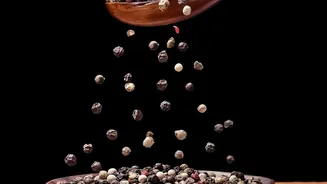
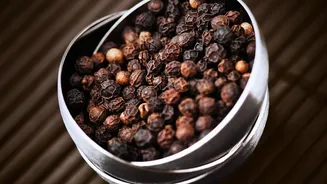
Fortunately, spotting papaya seeds is simple with a test recommended by the Food Safety and Standards Authority of India (FSSAI). Fill a clear glass with water and drop a spoonful of your whole black peppercorns into it. Wait for a minute. Pure, dense black peppercorns will sink to the bottom. Papaya seeds, being lighter, will float on the surface. A few floating particles might be immature or hollow peppercorns, but a significant amount of floaters is a major red flag. Visually, papaya seeds are also more oval-shaped and have a smoother, shrunken surface compared to the distinctly wrinkled, rounder texture of true peppercorns.
Adulterant 2: Mineral Oil Coating
Another common practice is coating peppercorns with mineral oil. This is done to give low-quality or old peppercorns an appealing, uniform black sheen and to add extra weight. Mineral oil is a petroleum derivative and is not meant for consumption in this form. Consuming it can lead to digestive distress, and long-term exposure to non-food-grade oils can have more severe health consequences, including carcinogenic risks.
How to Detect an Oily Sheen
You can often detect mineral oil with a simple sensory check. Adulterated peppercorns may have an unnaturally glossy or greasy finish. Take a few peppercorns and rub them vigorously in your palms or on a piece of white paper. If your hands feel greasy or if an oily stain appears on the paper, the pepper is likely coated. Some coated peppercorns may also have a faint smell of kerosene or other petroleum products, which is a clear sign of adulteration.
Watch Out for Light Berries
Sometimes, the issue isn't a foreign substance but poor quality. A batch of pepper might be mixed with 'light berries'—immature or hollow peppercorns that lack a seed. While they are technically pepper, they have very little flavour and are essentially filler. FSSAI suggests a simple press test to identify them. Place a few peppercorns on a hard surface and press them firmly with your finger. Good quality, mature peppercorns are hard and won't break easily. Light berries, however, will crush with little effort.
Smart Shopping for Pure Pepper
The best defence against adulteration is to be a vigilant shopper. Whenever possible, buy whole peppercorns instead of pre-ground powder, as powder can be more easily mixed with fillers like sawdust or starch. Purchase spices from trusted brands and retailers. Check for quality certifications like FSSAI and Agmark on the packaging. Be wary of peppercorns sold at an unusually low price, as this can be an indicator of poor quality or adulteration. By being mindful and performing these quick checks, you can ensure the 'king of spices' in your pantry is authentic.