





The Wisdom of Eating Seasonally
Shravan, which typically falls in July and August, is a month of spiritual reflection for many, often accompanied by fasting or adherence to a 'saatvik' diet. This way of eating emphasizes fresh, simple, and light foods that are easy to digest. According
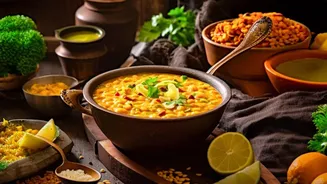
to Ayurveda, our digestive strength (agni) is naturally weaker during the humid monsoon months. The vegetables that are naturally abundant during this time—like gourds and leafy greens—are lighter on the stomach and align perfectly with this principle, making the Shravan diet both a spiritual and a wellness practice. Foods like onion and garlic are often avoided as they are considered 'tamasic' or heavy, and the focus shifts to pure, plant-based nutrition.
Gourds: The Stars of Shravan
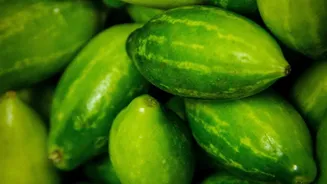
The vegetable baskets in any market are currently dominated by a variety of gourds. Look for lauki (bottle gourd), turai (ridge gourd), parwal (pointed gourd), and kaddu (pumpkin). These vegetables are high in water content and fibre, making them hydrating and excellent for digestion. Lauki, in particular, is prized for being light on the stomach and versatile enough for simple curries or even desserts like lauki ki kheer. Because of their ability to absorb spices well, these gourds are perfect for preparing flavourful saatvik dishes without the need for onion or garlic.
A Bounty of Leafy Greens
The monsoon brings a welcome resurgence of fresh leafy greens. Keep an eye out for palak (spinach), chaulai (amaranth leaves), and other local greens. Amaranth leaves, known as rajgira bhaji, are particularly notable as an iron-rich powerhouse, crucial when abstaining from meat. Spinach is also packed with nutrients like iron and calcium. These greens can be quickly stir-fried with minimal spices like cumin seeds and green chillies, making for a quick, nutritious, and vrat-friendly (fast-compliant) meal. Pairing them with a source of Vitamin C, like a squeeze of lemon, can help enhance iron absorption.
Root Vegetables for Fasting Feasts
Root vegetables are a cornerstone of fasting diets as they provide sustained energy. Markets are well-stocked with potatoes, arbi (colocasia root), and shakarkandi (sweet potato). These are essential for preparing many classic vrat dishes, from simple boiled potato chaat to arbi tikkis and shakarkandi kheer. Sweet potato offers complex carbohydrates and a natural sweetness, making it a versatile ingredient for both savoury and sweet preparations during the fast. These vegetables are filling and can be cooked simply with rock salt (sendha namak), which is preferred over regular salt during Shravan fasting.
Must-Buy Monsoon Fruits
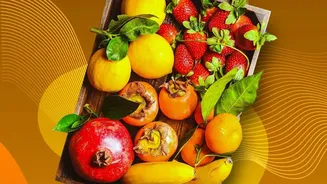
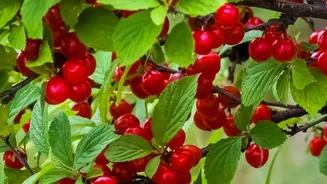
The fruit stalls are just as exciting during Shravan. This season brings an abundance of jamun (black plum), pears (nashpati), and the beginning of the custard apple (sitaphal) season. Fresh fruits are a vital part of the Shravan diet, offering natural sugars for energy, essential vitamins, and hydration. Pomegranates and bananas are also widely available and recommended for their nutritional benefits. These can be eaten plain as snacks or incorporated into fruit salads to keep you feeling refreshed and energized throughout your fast.
Other Essential Buys
Beyond the major categories, don't forget to pick up other monsoon favourites like bhindi (okra), cucumber, and beans. Okra, when cooked dry with cumin and turmeric, is an excellent dish that doesn't require onion or garlic. Cucumber is incredibly hydrating and cooling, perfect for the humid weather. For those observing fasts, ingredients like sabudana (tapioca pearls), makhana (fox nuts), and vrat-friendly flours like kuttu (buckwheat) and rajgira (amaranth) are also essentials to look for. These form the base of many beloved fasting recipes, from sabudana khichdi to makhana kheer.