

The Shifting Seasons of Work
For decades, Goa's economic rhythm was tied to its tourist seasons: a bustling peak from October to February, followed by a quiet, rain-soaked lull. The monsoon meant shuttered beach shacks and a mass departure of tourists. But the global rise of remote
work has fundamentally altered this dynamic. Professionals are no longer tethered to city desks, and many are discovering the unique appeal of Goa when it’s not bursting with holiday crowds. This shift has been particularly noticeable in South Goa, where a quieter, more laid-back atmosphere prevails, attracting a different kind of visitor—one who comes with a laptop and stays for the vibe, not just the vacation.
Why the Monsoon Sells Itself
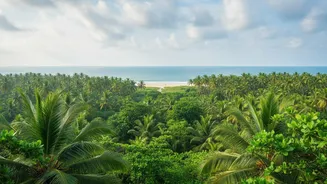
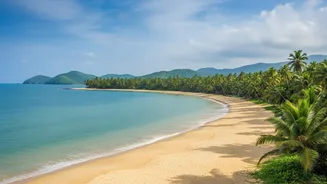
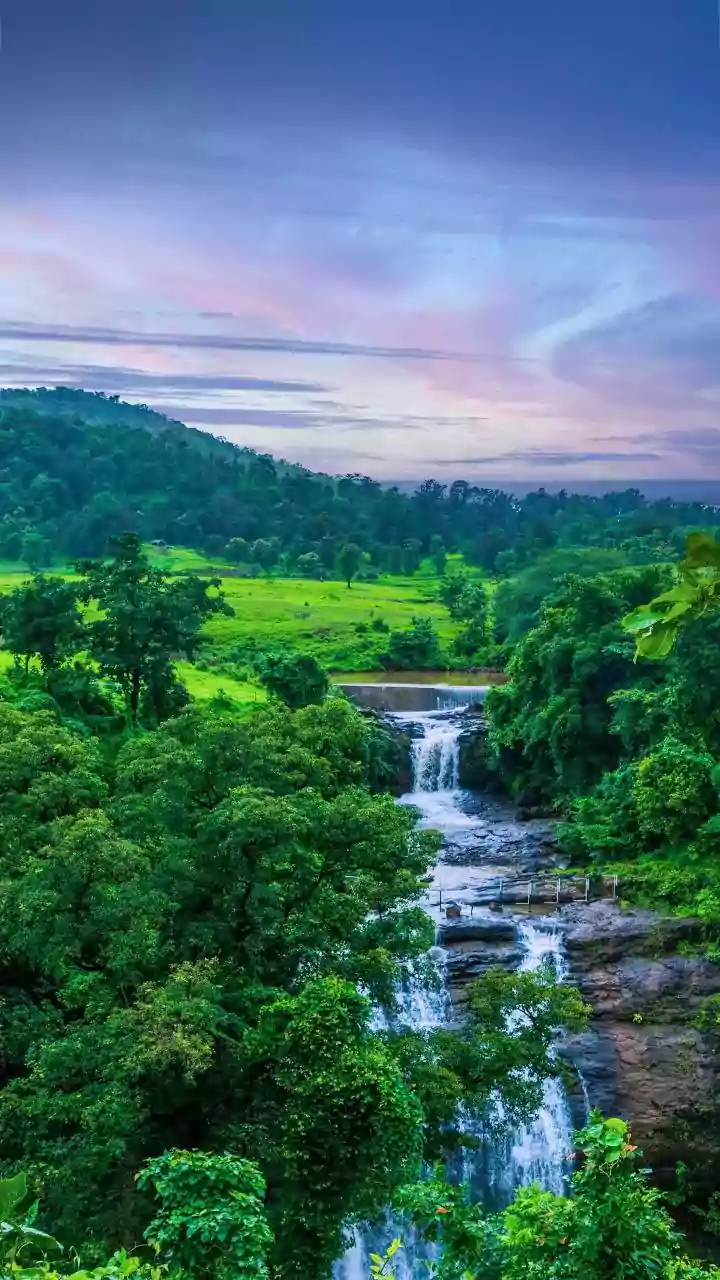
The primary driver of this trend is a desire for a different Goan experience. Remote workers are choosing the monsoon for its lush, green landscapes, cooler temperatures, and significantly smaller crowds. With the tourist rush gone, prices for accommodation and rentals become more affordable, making longer stays financially viable. This quieter period allows for deeper immersion into local life. The appeal is a slower, more contemplative pace, where the day is structured around work deadlines and the rhythm of the rain, punctuated by treks to overflowing waterfalls or explorations of verdant spice plantations. The dramatic, stormy skies and the chance to have a beach almost to oneself are powerful draws for those seeking focus and inspiration away from city chaos.
South Goa’s Emerging Hotspots
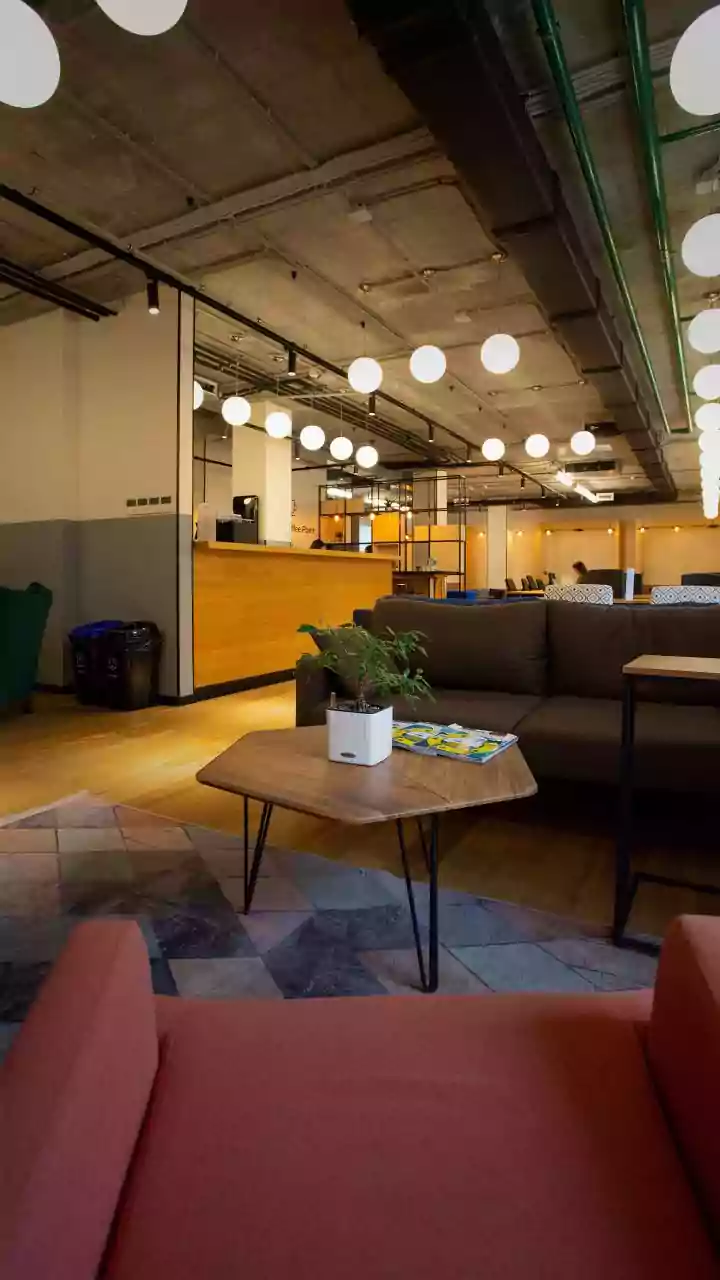
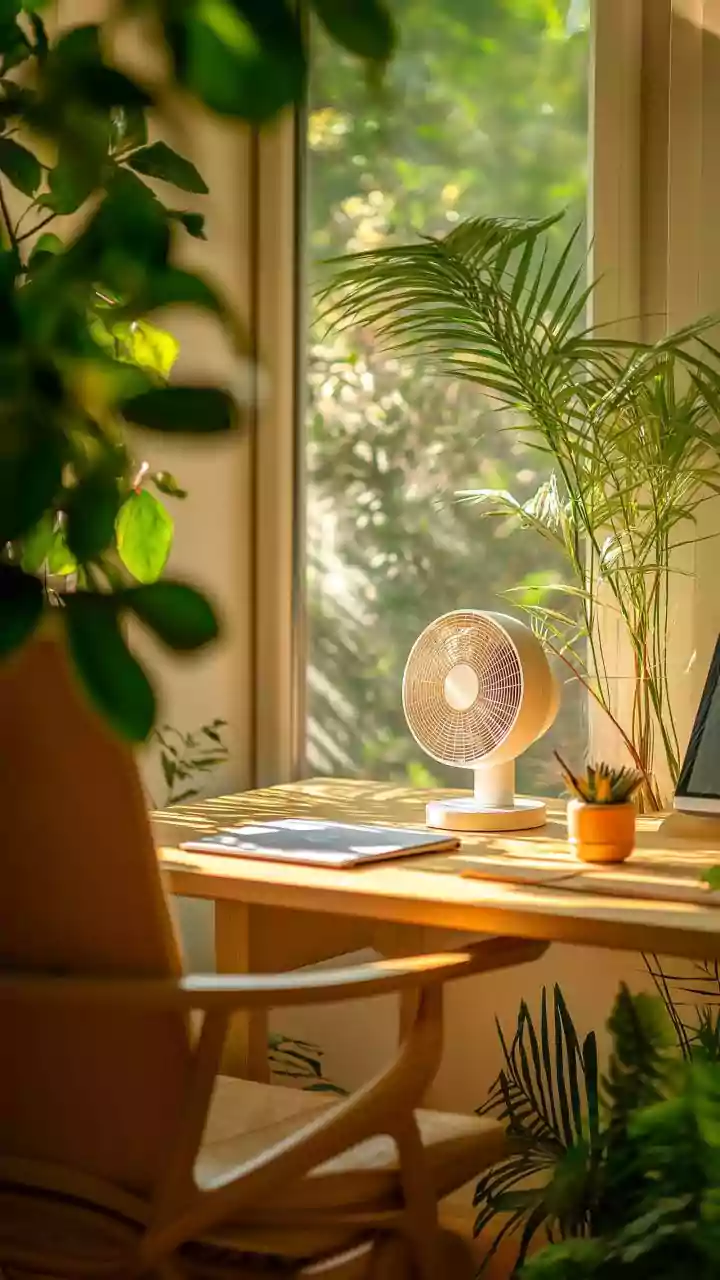
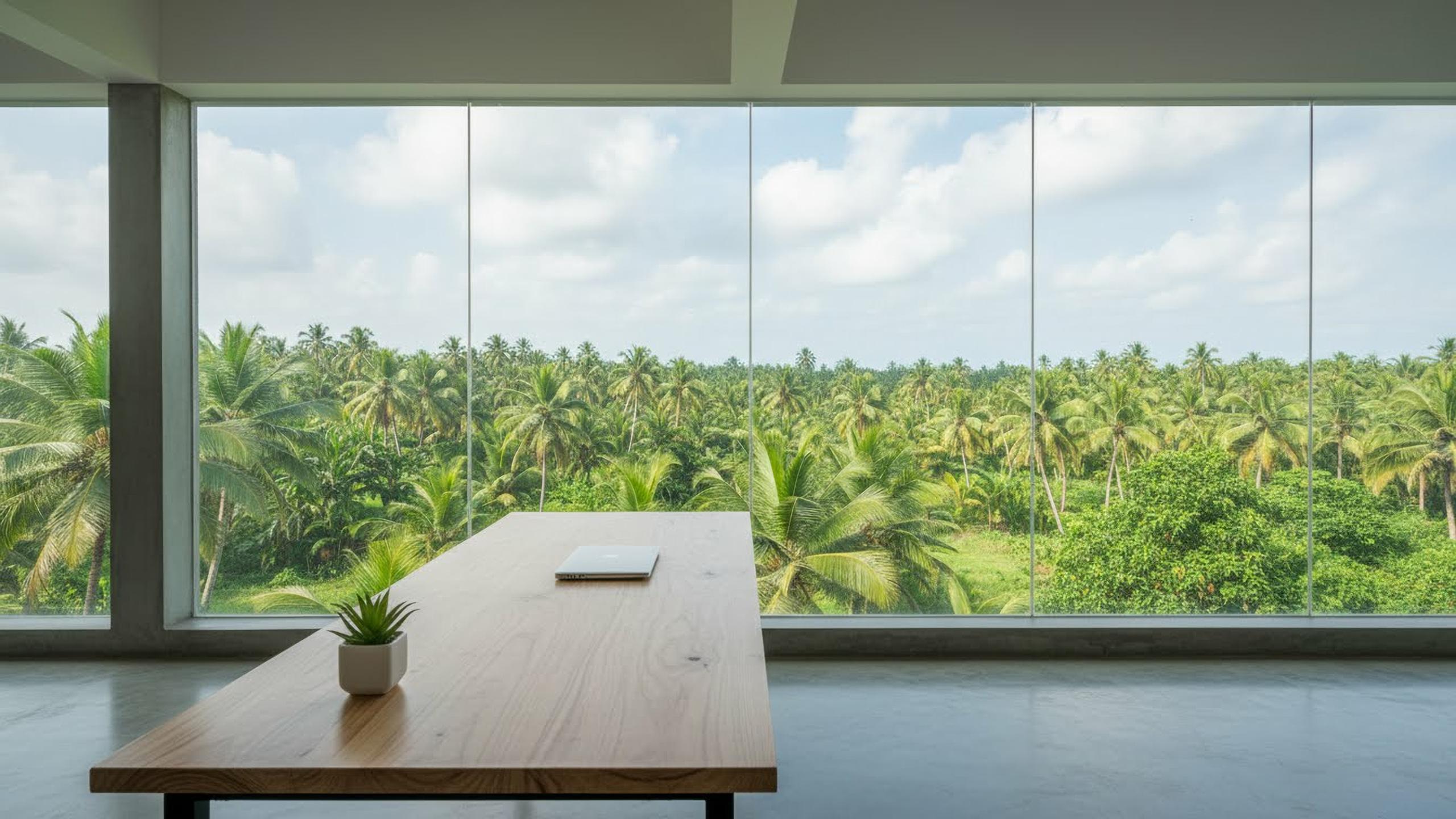
While North Goa has its own established hubs, the southern belt is where this monsoon trend is flourishing. Areas like Palolem, Agonda, and the broader Canacona region are becoming magnets for digital nomads. These locations offer a compelling mix of natural beauty and the necessary infrastructure. A growing number of cafes and dedicated co-working spaces now cater specifically to this demographic, advertising reliable internet and a productive environment. Hostels and co-living spaces have also adapted, offering dedicated work areas with air conditioning and power backups—a critical feature to combat the region's notoriously unreliable power grid during the rains. New establishments that blend co-living and co-working are even opening, designed from the ground up to support this community.
The Infrastructure Reality Check
Life in paradise isn't without its challenges, especially during the monsoon. Unreliable internet and frequent power cuts have long been the bane of anyone trying to work remotely from Goa. However, the situation is improving. The rise of co-working spaces with generators and dedicated internet lines offers a solution. Many remote workers now rely on a combination of local Wi-Fi and mobile data hotspots to ensure they stay connected. While infrastructure can still be a gamble compared to a metro city, for many, the trade-off is worth it. The growing demand from this community is also pushing local businesses to upgrade their facilities, creating a more stable environment for remote work year-round.
A New Chapter for Goan Tourism
This influx of monsoon remote workers signals a significant evolution for Goa. The state's tourism department has recognized the trend, promoting Goa as a year-round destination for “micro-cations” and work-life balance. This helps to create a more sustainable, less seasonal economy for local communities. The focus is shifting from just beaches to the state's rich hinterland, wellness offerings, and cultural experiences. By attracting professionals who stay longer and integrate more into the local fabric, Goa is moving beyond its reputation as just a party destination. It is becoming a place where life and work can coexist, set against a backdrop of tropical rain and vibrant green.