






Beyond a Bed for the Night
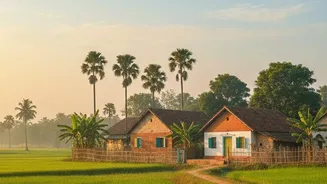
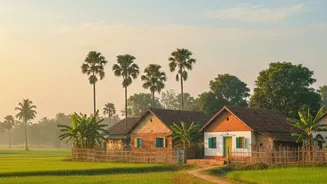
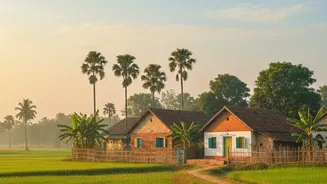
Forget the standardised experience of a hotel chain. A homestay is exactly what it sounds like: a stay in the home of a local family. This form of accommodation is a cornerstone of cultural immersion tourism, which prioritises genuine connection and understanding
over simply sightseeing. Instead of observing a culture from the outside, travellers get to participate in it. From sharing home-cooked meals and learning culinary secrets to hearing family stories and getting tips on the best local sights, homestays transform a simple trip into a rich, lived experience. This model is thriving across India, from the mountains of Ladakh and Uttarakhand to the backwaters of Kerala, offering a more authentic alternative to conventional tourism.
Keeping Wealth Within the Community
One of the most powerful aspects of homestay tourism is its direct economic impact. When you stay in a homestay, your money goes directly to the host family, rather than a large, often foreign-owned, corporation. This provides a steady source of income for rural families, empowering them financially and helping to reduce rural depopulation. The benefits ripple outwards, creating a multiplier effect. Homestay owners buy produce from local farmers, hire neighbours for housekeeping or as guides, and recommend nearby artisans to their guests. This creates a vibrant local ecosystem where tourism revenue circulates and strengthens the entire community, rather than being extracted.
Preserving Culture, Not Packaging It
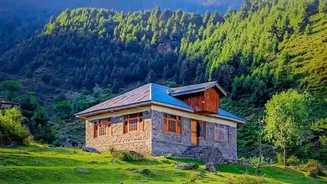
In many regions, the rise of tourism can lead to the commodification of culture, where traditions are performed for tourists rather than lived. Homestays offer a powerful antidote. By creating economic value from authentic daily life, they give communities a strong incentive to preserve their heritage. Guests may learn about indigenous farming practices in Meghalaya or witness traditional architecture in Ladakh. This exchange fosters immense pride among locals and encourages younger generations to see value in their traditions, from language and festivals to cuisine and handicrafts. It ensures that culture remains a living, breathing entity, shared with dignity and respect.
A Lighter Footprint on the Planet
Compared to large-scale hotels, homestays typically have a significantly lower environmental impact. They utilise existing residential buildings, which means no new construction and no clearing of land. The scale of consumption is also much smaller. Hosts are more likely to practice energy and water conservation, manage waste responsibly, and cook with locally sourced ingredients that don't require long-distance transport. Many homestays also adopt eco-friendly practices like rainwater harvesting or using solar panels. This model of small-scale, resource-conscious hospitality aligns perfectly with the principles of sustainable and responsible travel, offering a greener way to explore the world.
Making a Conscious Choice
The rising popularity of homestays means it's important to choose wisely. True homestays are managed by the families who live there, offering a genuine cultural exchange. Be mindful of commercial properties that are simply branded as homestays without the community connection. Look for places recommended by responsible travel operators or community-based tourism initiatives. By asking questions and choosing authentic homestays, travellers can ensure their visit has a positive and lasting impact, fostering a tourism model that is equitable, respectful, and truly sustainable.