







The Philosophy: Embrace Layers
The secret to packing light for any climate, especially a wet one, is to abandon bulky, single-purpose items in favour of a versatile layering system. Instead of a heavy, insulated coat, think in three parts: a waterproof outer shell, a warm mid-layer,
and a comfortable base layer. This approach allows you to adapt to changing conditions. You can wear all three in cold rain, just the shell in a warm shower, or the mid-layer indoors. This modular system is far more space-efficient than packing for every possible temperature scenario. Materials are key; avoid cotton, which gets heavy and takes ages to dry. Opt for merino wool or modern synthetics that are lightweight, dry quickly, and manage moisture effectively.
Your Most Valuable Item: The Outer Shell
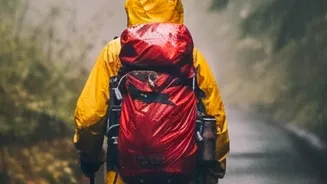
Your rain jacket is the cornerstone of your rainy-day wardrobe. Don't compromise here. Look for a jacket that is genuinely waterproof, not just water-resistant. A good quality, packable rain jacket can be compressed to the size of an apple, taking up minimal space in your bag. Features like pit-zips for ventilation and a well-designed hood are worth it. While some travellers advocate for ditching umbrellas to save space and free up your hands, a strong, mini travel-sized umbrella can be a useful addition if you have the room. For maximum efficiency, wear your jacket on the plane, as it's likely your bulkiest item.
Mid-Layers and Bottoms: The Engine Room
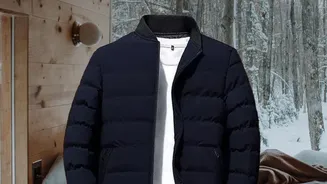
For your warm mid-layer, choose a lightweight fleece, a thin merino wool sweater, or an ultralight down or synthetic 'puffy' jacket. These provide excellent warmth for their weight and can be worn on their own on cool, dry days. For trousers, pack one or two pairs that are made from quick-drying synthetic material. Darker colours are more practical as they hide splashes. While jeans are heavy and slow to dry, many travellers still bring one comfortable pair, which they wear during the flight to save weight and space in the bag. Consider packing one pair of smarter, quick-dry travel pants and wearing your heavier jeans or trousers.
The 7-Day, 7-Kilo Rainy Gear List
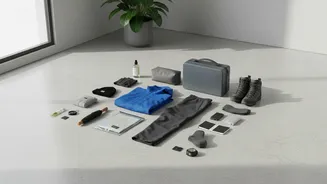
Here is a sample packing list to guide you. Remember to wear your heaviest items—jacket, boots, and one pair of trousers—on the plane. Outerwear (Wear on plane): - 1 Waterproof rain jacket - 1 pair of waterproof boots or comfortable walking shoes Clothing (Packed): - 1 warm mid-layer (fleece or thin puffy jacket) - 4-5 tops (mix of merino or synthetic t-shirts and one long-sleeve shirt) - 1 pair of quick-dry trousers - 5-7 pairs of underwear (wool/synthetic are best) - 3-4 pairs of wool socks (they stay warm when damp and can be worn more than once) - 1 smarter outfit for evenings (e.g., a dress or versatile shirt) - Optional: a small, packable daypack for daily excursions Toiletries: - Use solid toiletries (shampoo bars, conditioner bars, solid soap) to save space and avoid liquid limits. Pack everything in travel-sized containers of 100ml or less.
Packing Smart: Cubes and Rolls
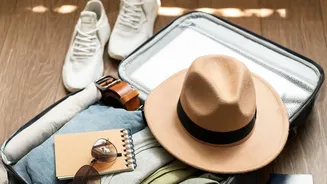
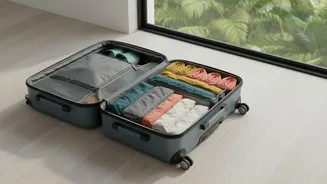
How you pack is as important as what you pack. Use packing cubes to compartmentalise and compress your clothing. This not only saves space but also keeps you organised, separating wet or dirty items from clean ones. Rolling your clothes instead of folding is a classic space-saving technique. Stuff socks and underwear inside your shoes to use every bit of available space. Before you leave, weigh your packed bag with a handheld luggage scale to ensure you're under the 7kg limit, avoiding any stressful repacking at the airport gate. Most budget airlines are strict and will weigh bags, so it pays to be prepared.