



The Fat Fundamentals: Saturated vs. Unsaturated
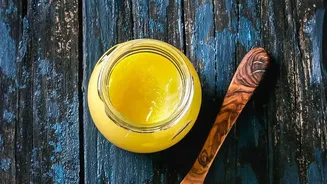
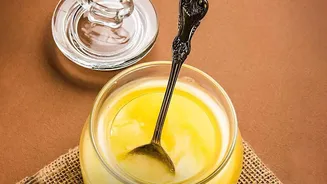
Not all fats are created equal. The main difference between butter and vegetable oils lies in their fat composition. Butter is rich in saturated fats, which are typically solid at room temperature. Diets high in saturated fat are known to raise low-density
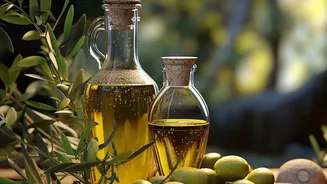
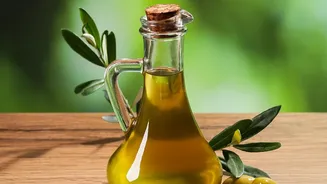
lipoprotein (LDL) cholesterol, often called 'bad' cholesterol. High LDL levels are a primary risk factor for the buildup of plaque in arteries, leading to cardiovascular disease. In contrast, plant-based oils are predominantly made of unsaturated fats — both monounsaturated and polyunsaturated. These fats are liquid at room temperature and are considered heart-healthy.
The Science of the Swap
Decades of research have confirmed the benefits of replacing saturated fats with unsaturated ones. An advisory from the American Heart Association highlights that swapping saturated fats for polyunsaturated vegetable oils can reduce the risk of heart disease by about 30%, an effect comparable to taking cholesterol-lowering statin drugs. A large, long-term study found that replacing just one tablespoon of butter with an equivalent amount of a plant-based oil like olive or soybean oil was associated with a significantly lower risk of premature death. The consensus is clear: it's not just about cutting out butter, but about what you replace it with. Choosing unsaturated oils is a positive step toward better cardiovascular outcomes.
Why 'Cold-Pressed' Makes a Difference
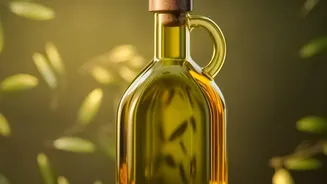
The term 'cold-pressed' refers to how the oil is extracted from the seed or fruit. This method uses mechanical pressure without high heat or chemical solvents. The benefit of this gentle process is that the oil retains more of its natural nutrients, antioxidants, vitamins, and flavour. For instance, cold-pressed oils are often richer in Vitamin E and polyphenols, which have anti-inflammatory properties and help fight cellular damage in the body. While refined oils might have a higher smoke point for certain cooking methods, cold-pressed oils deliver a more nutrient-dense product, making them a healthier choice for dressings, drizzling, and low-heat cooking.
Making Smart Choices in Your Kitchen
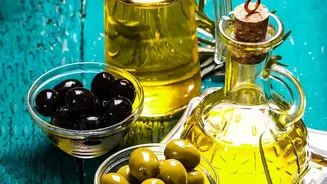
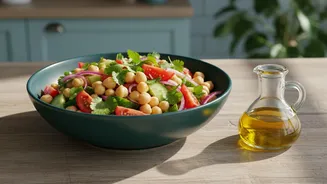
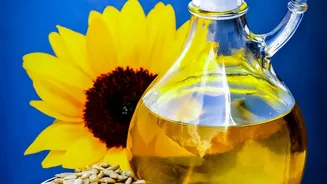
Integrating these healthier fats into your daily diet is simple. Use cold-pressed groundnut or mustard oil for everyday cooking, and extra virgin olive oil for salad dressings and dips. When you're sautéing vegetables, a splash of sesame or sunflower oil can work wonders instead of a dollop of butter. Instead of spreading butter on toast, consider a drizzle of olive oil or a spread of avocado, which is also rich in monounsaturated fats. The goal is not about eliminating butter entirely but about shifting the balance in your diet. Making unsaturated fats your primary choice for cooking and flavouring is a powerful and sustainable change for long-term heart health.