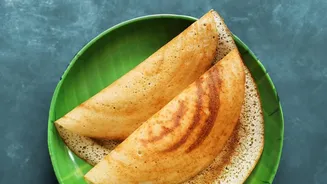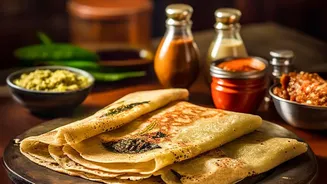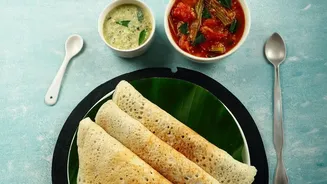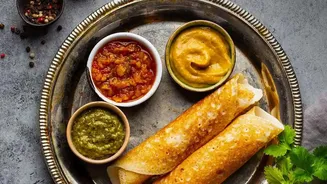

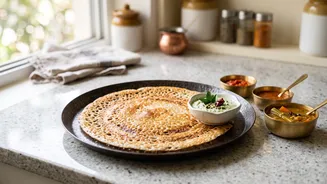

The dream of a paper-thin, golden-brown, crispy dosa often meets the harsh reality of it sticking stubbornly to the pan. But the secret to that perfect finish lies not just in the batter, but in preparing your cast-iron tawa to become a true ally.
Why Choose Cast Iron?
Before
diving into the 'how', let's appreciate the 'why'. A cast-iron tawa, unlike non-stick pans, is a culinary partner for life. Its primary advantage is superior heat retention and distribution. It holds a steady temperature across its entire surface, which is crucial for cooking dosas evenly without burnt centres and pale edges. When properly seasoned, it develops a natural non-stick surface without the chemical coatings found on many modern pans. This 'seasoning' is a layer of polymerised oil that builds up over time, making the tawa better with every use. It’s a small investment of effort for a lifetime of delicious results.
The First Seasoning: A Crucial Start
Whether your tawa is brand new or a family heirloom you're restoring, the initial seasoning is the foundation of its non-stick properties. If the tawa is new, start by washing it with mild soap and water to remove any factory residue. Then, dry it completely. The most important step here is to place it on a low flame for a few minutes to ensure every last bit of moisture has evaporated, as moisture is the enemy of cast iron and leads to rust. Now, apply a very thin layer of a high-smoke-point oil, like sesame (gingelly), groundnut, or sunflower oil. Use a cloth to wipe it all over the surface, then wipe off any excess. You want a satin sheen, not a greasy pool. Heat the tawa on a medium flame until it starts to smoke lightly, then let it cool. Repeating this process two to three times will build a robust initial seasoning layer.
The Pre-Dosa Ritual for a Perfect Finish
Your daily preparation is just as important as the initial seasoning. Before making your first dosa, preheat the tawa on a medium flame for about 4-5 minutes. A common mistake is using a tawa that isn't hot enough, which causes the batter to stick. You can test the temperature by sprinkling a few drops of water on the surface; if they sizzle and dance before evaporating, it's ready. If they just bubble slowly, wait longer. Just before pouring the batter, many experts swear by the 'onion trick'. Rub a halved onion dipped in a little oil over the hot surface. This not only imparts a subtle flavour but also creates an ideal, lightly greased surface. If you don't have an onion, the stalk of a brinjal or a piece of bottle gourd can also be used. This simple ritual helps ensure your dosa doesn't stick.
Troubleshooting Common Dosa Disasters
Even with a well seasoned tawa, issues can arise. If your dosa still sticks, it's often due to incorrect temperature. If the tawa is too hot, the batter will seize before you can spread it. In this case, sprinkle some water to cool it down slightly. If it's not hot enough, the dosa won't cook properly and will refuse to lift. Another factor is your batter. It should be at room temperature, not cold from the fridge, and have the consistency of thin cream. If the batter is not fermented enough, it can also lead to sticking. Finally, be patient. Don't try to flip the dosa too early. Wait until the edges begin to turn golden and lift away from the pan on their own; that's your cue that it's ready.
Long Term Care and Maintenance
Maintaining your tawa is simple but requires consistency. After cooking, never soak it in water, as this will cause it to rust. Once it has cooled down, rinse it with plain warm water. If there are stuck on food bits, you can use a soft sponge. Avoid using harsh soaps or steel scrubbers, as they can strip away the precious seasoning you've built up. After washing, always dry the tawa completely on a low flame. Finally, while it's still warm, wipe a few drops of oil over the surface before storing it in a dry place. This protects it from rust and ensures it's ready for your next culinary adventure. It's also a good practice to have a separate tawa just for dosas, as making chapatis or rotis can affect the surface.