







The Familiar Pain of a Himalayan Welcome
Visiting Leh, the gateway to Ladakh, is a dream for many. But the reality of arriving at Kushok Bakula Rimpochee Airport can be a jarring start to the adventure. As one of the highest commercial airports in the world, it presents unique challenges. For
years, travellers have navigated a terminal bursting at the seams, especially during the summer tourist rush. Long queues for security and check-in, crowded waiting areas, and limited amenities have become an expected, if unwelcome, part of the journey. The existing facility, built in 1985, was designed for a fraction of the nearly 1.2 million passengers it handled last year. This surge in traffic often leads to operational bottlenecks, turning the small terminal into a pressure cooker of stressed tourists and overwhelmed staff, a far cry from the serene escape Ladakh promises.
A Modern Gateway on the Horizon
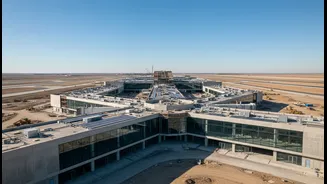
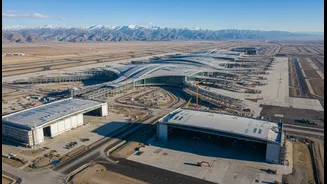
Relief is finally in sight. According to the Civil Aviation Ministry, the new integrated terminal building is now 83% physically complete as of early July 2026. This state-of-the-art facility is being built to transform the travel experience and support the region's growing importance for both tourism and strategic connectivity. While an official commissioning date hasn't been announced, officials have been pushing for a completion target of July or August 2026. The project, which began in 2019, faced delays due to the pandemic and the harsh local climate that limits construction to about six months a year. Now, with construction in its final stages, the new terminal is poised to become the modern, efficient gateway that Ladakh deserves.
Capacity, Comfort, and Conscious Design
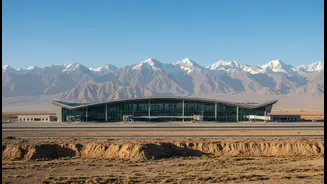
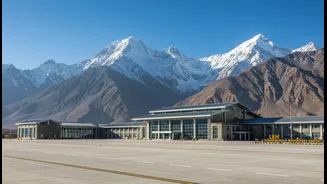
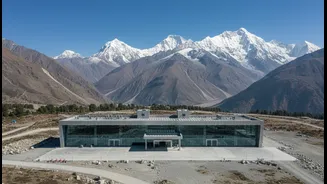
The new terminal is a game-changer in every sense. Once operational, it will be able to handle up to 54 flights daily, nearly tripling the current capacity of around 18 flights. This will dramatically reduce the travel bottlenecks that currently plague peak season. The terminal is designed to serve up to 3.5 million passengers annually, with a peak hour capacity of 2,000 travellers. Inside, passengers can expect modern facilities including 20 check-in counters, three aerobridges, an in-line baggage system, lifts, and escalators. Beyond functionality, the building’s design is inspired by local culture, incorporating Buddhist motifs. Perhaps most impressively, it will be India’s first hybrid airport powered by geothermal and solar energy, a pioneering step in sustainable infrastructure for the fragile Himalayan ecosystem.
More Than Just an Airport
The impact of this project extends far beyond passenger convenience. Enhanced air connectivity is a major catalyst for Ladakh's economy, which is heavily reliant on tourism. The ability to handle more flights and tourists is expected to revive visitor numbers, which saw a decline recently, and provide a significant boost to local businesses, hotels, and tour operators. The increased capacity also strengthens Leh's role as a vital hub for military logistics in a strategically crucial border region. By making travel to Ladakh more reliable and pleasant, the new terminal is a key piece of infrastructure that supports both economic growth and national interests, positioning the region for a more connected and prosperous future.