







Decoding 'Dynamic Fuel Dispensers'
Let's first demystify the technical jargon. A 'dynamic highway fuel dispenser' isn't a new type of petrol pump popping up on the roadside. Instead, it refers to a mobile, on-demand fuel delivery service. Think of it as Swiggy or Zomato, but for fuel.
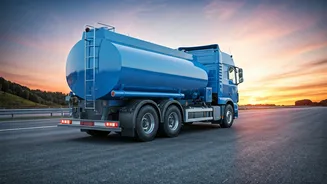
These services operate through specialised, compact refuelling trucks that can be dispatched to your exact location. Initially popular for commercial clients like construction sites and corporate fleets, these services are now increasingly accessible to individual car owners, especially on major national highways where fuel stations can be few and far between. They represent a major shift from static infrastructure to a flexible, tech-driven solution for one of travel's oldest problems.
The Magic of Shared Mapping Systems
The 'shared mapping system' is the technology that makes it all possible. It’s not one single map but a network of interconnected devices using GPS technology. When you request fuel through an app, you are essentially dropping a pin on a digital map, just like booking a cab. This pin is shared with the service provider’s dispatch system, which identifies the nearest available mobile dispenser. The driver of the refuelling truck then uses their own navigation app (often integrated with platforms like Google Maps) to find your precise location. This real-time, shared location data ensures that the dispenser can find you efficiently, whether you're stranded on a remote section of the expressway or simply parked at a dhaba for a break. It eliminates guesswork and drastically reduces waiting times.
Key Players and How to Find Them
Several startups have emerged as leaders in India's on-demand fuel delivery space. Companies like FuelBuddy, The Fuel Delivery, and Repose Energy have built extensive networks, initially focusing on diesel delivery for B2B clients. Many are now expanding their services to cater to individual consumers stranded on highways. The best way to access them is by downloading their dedicated mobile applications from the Google Play Store or Apple App Store. A quick search for 'on-demand fuel delivery' or 'doorstep diesel delivery' will reveal the providers that service your region. It's wise to download and set up an account on one or two of these apps before embarking on a long journey, just in case.
A Step-by-Step Guide to Getting Fuel
Using these services is remarkably straightforward and designed for stressful situations. Here’s a typical process: 1. **Open the App and Pin Your Location:** Once you’ve registered, the app will use your phone's GPS to find you. Confirm your location on the map. 2. **Specify Your Needs:** Select the type of fuel and the quantity you need. Currently, most services primarily offer diesel due to safety regulations regarding the transport of more volatile petrol. 3. **Confirm and Pay:** You'll see an estimated cost, which includes the fuel price (often benchmarked to the nearest city's rate) plus a delivery fee. Most apps support various digital payment methods. 4. **Track Your Delivery:** After confirmation, you can track the mobile dispenser’s approach in real-time on the app’s map, giving you a clear estimate of its arrival time.
Safety, Legality, and Important Caveats
Safety is paramount when dealing with flammable materials. Legitimate on-demand fuel delivery services in India must be approved by the Petroleum and Explosives Safety Organisation (PESO). Their vehicles are equipped with safety features like spill-proof nozzles, fire extinguishers, and accurate metering systems to ensure you get the exact quantity you paid for. Always use a certified, well-reviewed service. Unauthorised fuel transfers are not only illegal but also extremely dangerous. As mentioned, the service is predominantly for diesel. This is because diesel has a higher flash point than petrol, making it safer to transport in mobile units. So, if you drive a diesel vehicle, this technology is a game-changer. For petrol car owners, the options are still limited, though this may change as technology and regulations evolve.